

|
Getting your Trinity Audio player ready...
|
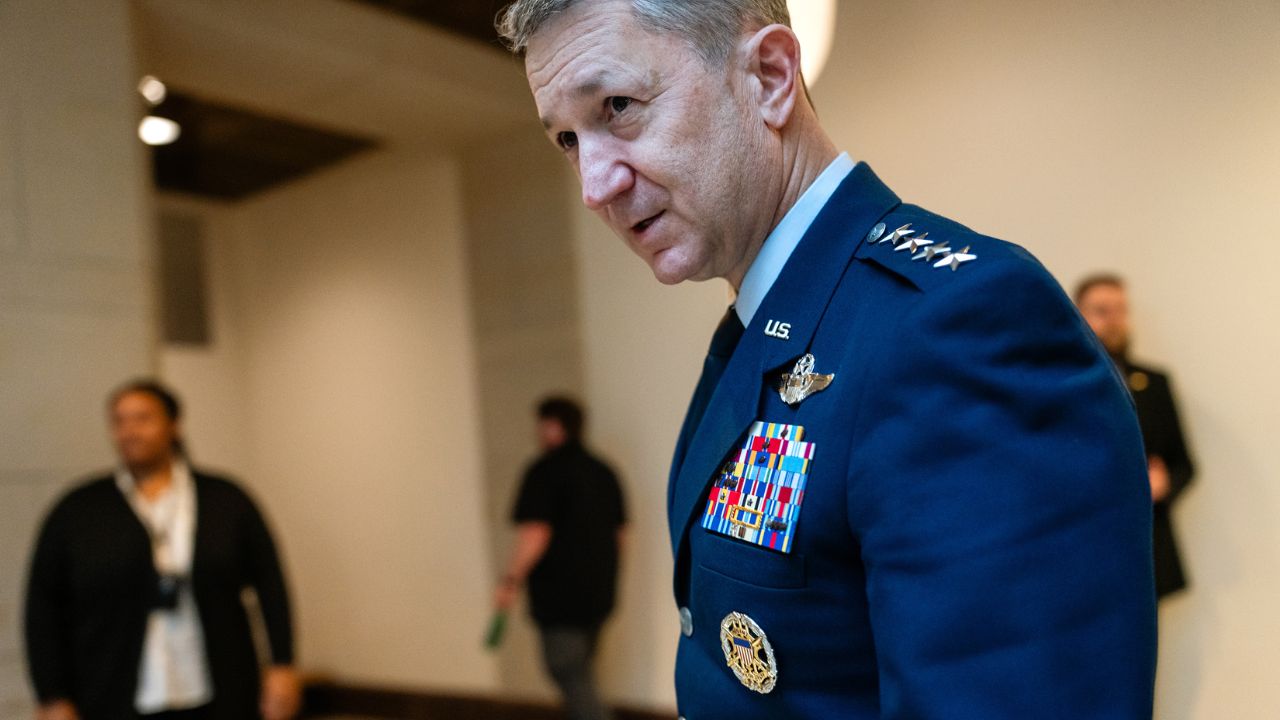
WASHINGTON — Gen. Dan Caine, the chair of the Joint Chiefs of Staff, is convening a rare meeting next month of dozens of military chiefs from across the Western Hemisphere, another sign of the region’s rising prominence in the Trump administration.
Top military leaders from 34 countries, including nations such as Denmark, Britain and France that have territories in the area, have been invited to the gathering in Washington on Feb. 11. It is expected to focus, in part, on enhancing regional coordination in fighting drug trafficking and transnational criminal organizations.
After the U.S. commando raid this month that seized President Nicolás Maduro of Venezuela, and this week’s contentious debate between President Donald Trump and European allies over the future of Greenland, the unusual gathering casts a spotlight on the potential military implications of the administration’s “Donroe Doctrine” and a new security strategy that prioritizes the Western Hemisphere.

“Participating defense leaders will explore the importance of strong partnerships, continued cooperation, and united efforts to counter criminal and terrorist organizations, as well as external actors undermining regional security and stability,” Caine’s office said in statement Friday.
While Caine and top aides have sought to cast the meeting in terms of enhancing security cooperation among regional partners, it comes at a fraught time for Washington’s relations with its immediate neighbors as well as allies in Europe.
Security Cooperation Amid Diplomatic Strain
Prime Minister Mark Carney of Canada delivered a stark speech in Davos, Switzerland, on Tuesday, describing the end of the era underpinned by U.S. hegemony. He called the current phase “a rupture.”
The United States is intensifying pressure on Mexico to allow U.S. military forces or CIA officers to conduct joint operations to dismantle fentanyl labs inside the country, according to U.S. officials. The push comes as Trump presses the Mexican government to grant the United States a larger role in the battle against drug cartels that produce fentanyl and smuggle it into the United States.
This week saw the on-again, off-again fight over Greenland escalate and then cool off. Trump has said the United States needs Greenland for national security. After previously threatening to seize the island by force, he signaled this week that he was open to compromise.
Discussions to resolve the future of Greenland have focused on proposals to increase NATO’s presence in the Arctic, give America a sovereign claim to pockets of Greenland’s territory and block potentially hostile adversaries from mining the island’s minerals.
Military leaders have sought to insulate themselves from these diplomatic and political tensions, trying to keep military channels open even as world leaders hurl invectives at one another.
Senior U.S. commanders overseeing operations in Europe, Africa and the Pacific routinely meet with their military counterparts in gatherings overseas. But aside from smaller meetings in different parts of Latin America, the Pentagon has never before convened a group of military brass this large from the Western Hemisphere, U.S. officials said.
Pressure on Regional Militaries
At the meeting next month, Caine is expected to press for further coordination on countering drugs and transnational criminal groups in the region, Western officials said. The meeting was set for next week but was postponed because of the snowstorm forecast for Washington.
The mission has already run into stumbling blocks. Britain, for instance, in September cut off sharing any intelligence related to the United States attacking what it says are boats carrying drugs in the Caribbean.
Adam Isacson, a regional security specialist at the Washington Office on Latin America, said in an email that “the Trump administration expects the militaries of the region to respond to U.S. priorities far more than at any other time since the Cold War ended.” He said that list started with fighting drugs and organized crime and included avoiding association with China, Iran, perhaps Russia and other powers.
Isacson said “there may be explicit or implicit threats to militaries that don’t honor those priorities, with a nod to what’s happening in Venezuela.”
Caine, a former F-16 fighter pilot and Pentagon liaison to the CIA, has limited experience in Latin America. But his foreign policy adviser, Laura F. Dogu, is a former U.S. ambassador to Honduras and Nicaragua, and was recently given an additional assignment as envoy to Venezuela.
Caine will be joined at the conference by Gen. Gregory M. Guillot, the head of Northern Command, which oversees homeland defense and Greenland; and Lt. Gen. Evan L. Pettus, the acting head of Southern Command, which oversees Latin America. Trump’s nominee to take over Southern Command, Gen. Francis L. Donovan, is awaiting Senate confirmation.
—
This article originally appeared in The New York Times.
By Eric Schmitt
c.2026 The New York Times Company