

|
Getting your Trinity Audio player ready...
|
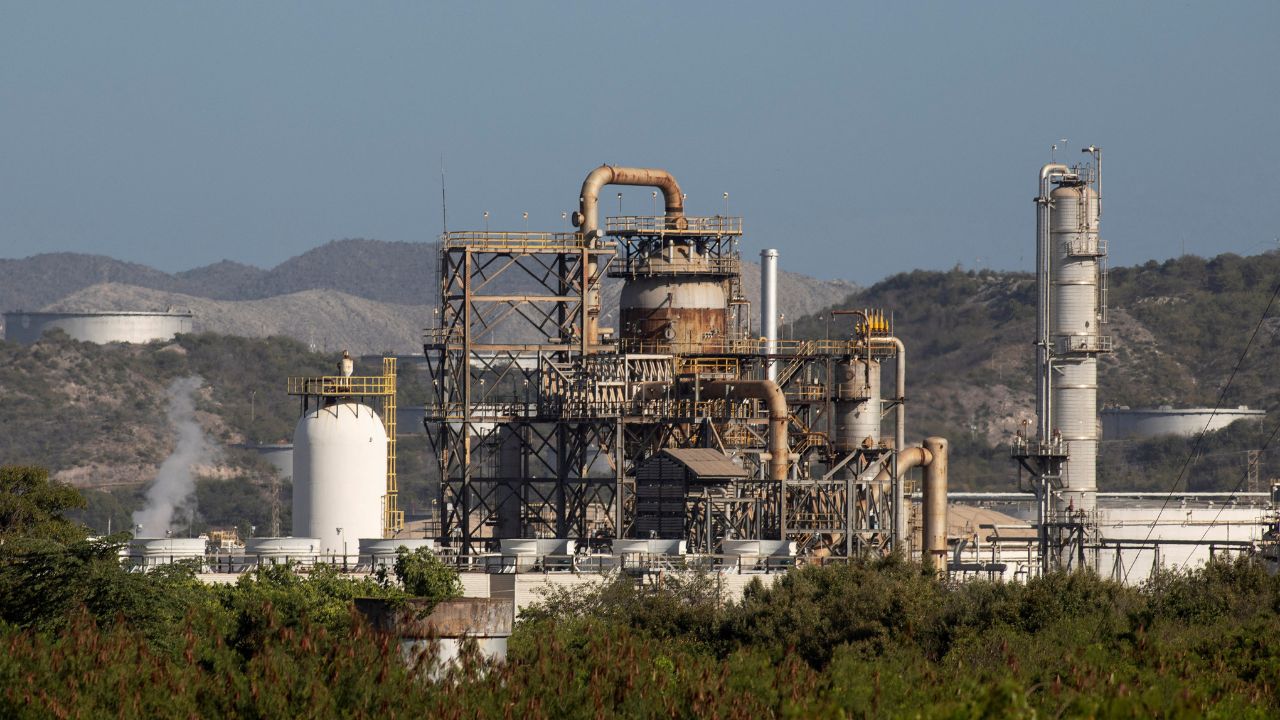
Jan 22 – A sweeping proposed reform of Venezuela’s hydrocarbons law would allow foreign and local companies to operate oilfields on their own through a new contract model, commercialize output and receive sale proceeds even if acting as minority partners of state company PDVSA, drafts seen by Reuters on Thursday showed.
Venezuela’s interim President Delcy Rodriguez last week submitted the reform proposal to the National Assembly. It is expected to overhaul the OPEC country’s oil industry by changing former President Hugo Chavez’s landmark oil law.
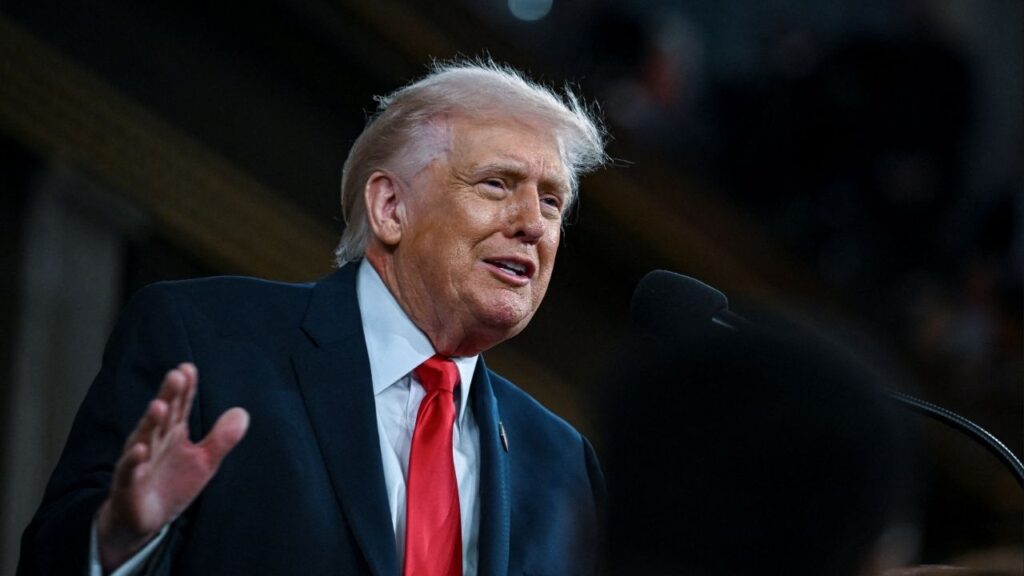
Lawmakers are scheduled to begin discussion on the reform on Thursday, following a 50-million-barrel oil supply deal between Caracas and Washington this month. The deal, agreed after the U.S. capture of President Nicolas Maduro, gives the U.S. control of the country’s main revenue source, U.S. President Donald Trump has said.

The National Assembly, led by the interim president’s brother, Jorge Rodriguez, has only a small number of opposition lawmakers and has not been formally recognized by the U.S., following doubts about its legitimacy.
Oil Companies, Investors Demand Autonomy
Oil executives and potential investors, as part of Washington’s ambitious $100 billion reconstruction plan for Venezuela’s energy industry, are demanding autonomy to produce and export oil, and receive the cash sale proceeds after Chavez’s nationalizations and assets expropriations two decades ago.
Independent lawyers have warned, however, that the sweeping reform conflicts with Venezuela’s Constitution, which reserves the oil industry’s main activities for the state. The reform also needs many related laws approved under Chavez and Maduro to be scrapped, they said.
Some experts have said the contract model proposed by Rodriguez, which allows companies to independently produce and export oil through contracts with PDVSA, is contrary to the joint venture model on which the hydrocarbons law is based.
Those contracts, pushed by Maduro with little success and whose details were never disclosed publicly, led to the entrance of small operators into Venezuela’s oilfields in recent years despite U.S. sanctions.
“Companies operating will handle administration at their own risk and expense. In this model, the state does not acquire debts, and remuneration is based on a percentage of volumes (produced),” a summary of the reform expected to be presented on Thursday and seen by Reuters said, referring to the production-sharing contract model.
The proposal would allow the government to lower royalties and related taxes to 15% from 33% for special projects and those requiring massive investments.
It adds the possibility of resorting to independent arbitration to solve disputes, a longstanding request from foreign companies after disagreements and lawsuits aimed at claiming compensation for assets expropriated in Venezuela.
—
(Reporting by Reuters; Editing by Julia Symmes Cobb, Rod Nickel)