
|
Getting your Trinity Audio player ready...
|
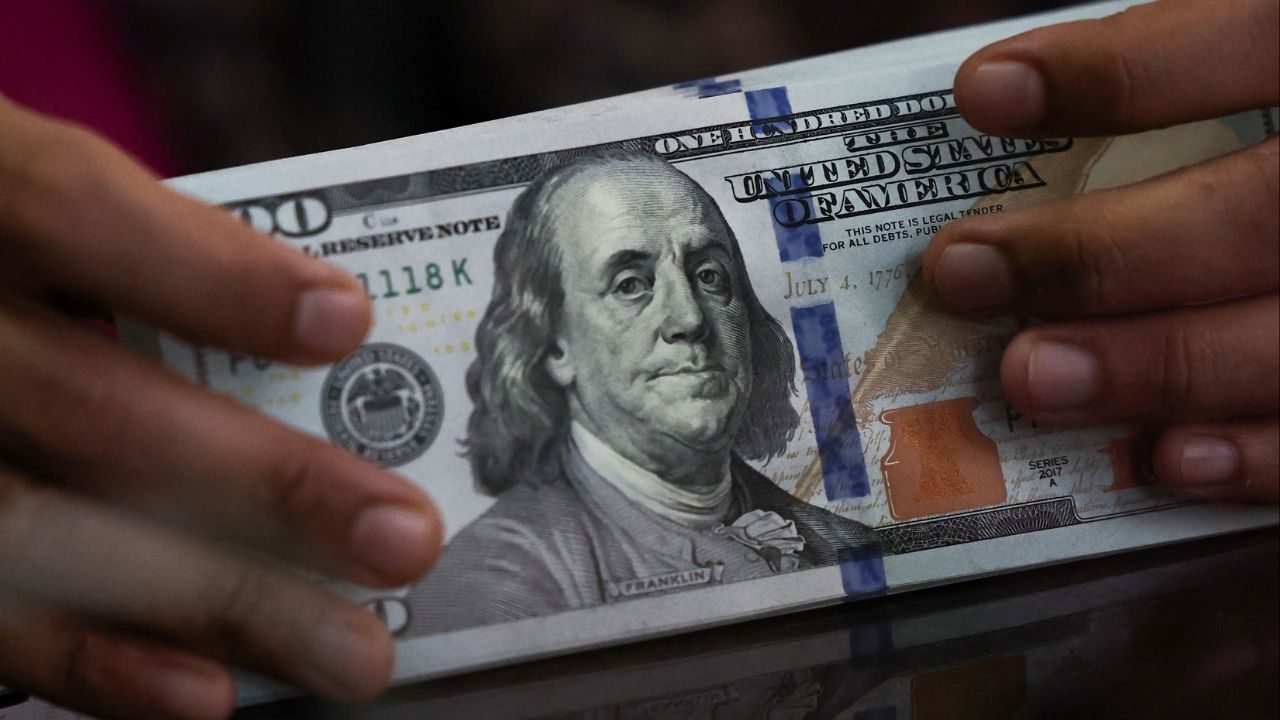
The dollar was set for its largest daily fall in over a month on Tuesday, after White House threats to Europe over the future of Greenland triggered a broad selloff across U.S. stocks and government bonds, and drove the euro and the pound higher.
The dollar index, which measures the U.S. currency’s performance against a basket of six others, fell as much as 0.7% – marking its biggest one-day drop since mid-December – as investors worried about exposure to U.S. markets.
Trump’s Tariff Threats
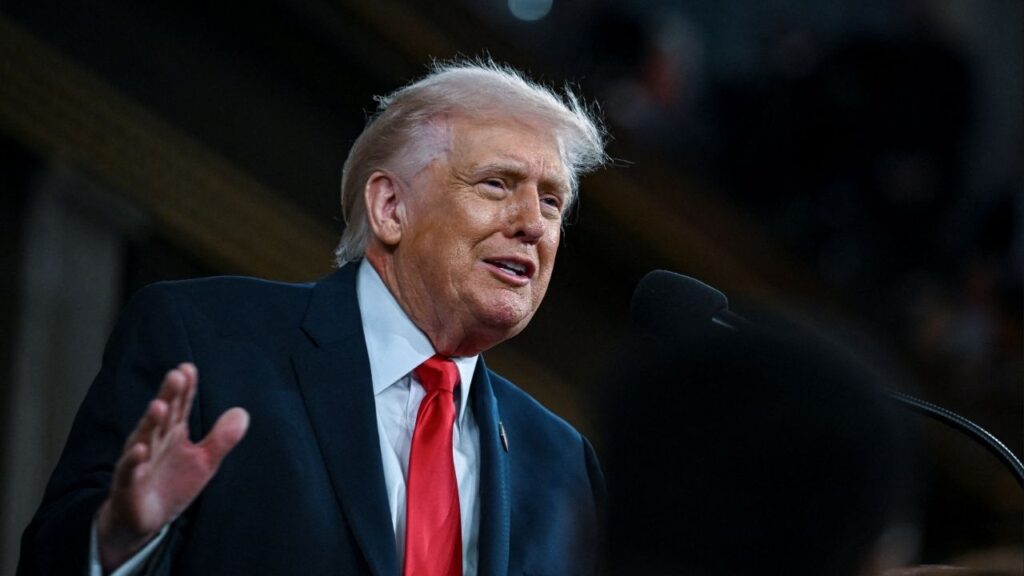
On Monday, U.S. President Donald Trump’s renewed tariff threats against European allies prompted a repeat of the so-called “Sell America” trade that emerged after last year’s “Liberation Day” tariff announcement in April, with stocks, Treasury bonds and the dollar all declining.

Investors were dumping dollar assets on “fears of prolonged uncertainty, strained alliances, a loss of confidence in U.S. leadership, potential retaliation and an acceleration of de-dollarisation trends,” said Tony Sycamore, market analyst at IG in Sydney.
“While there are hopes the U.S. administration may soon de-escalate these threats, as it has with prior tariff announcements, it is clear that securing Greenland remains a core national security objective for the current administration,” he added.
The euro was last up 0.65% at $1.1721, while the pound gained 0.25% to trade at $1.34. Sterling got a minor additional lift from UK labour market data that showed unemployment remained at a five-year high, but also offered positive signs such as vacancy numbers plateauing.
Wall Street Opens Lower
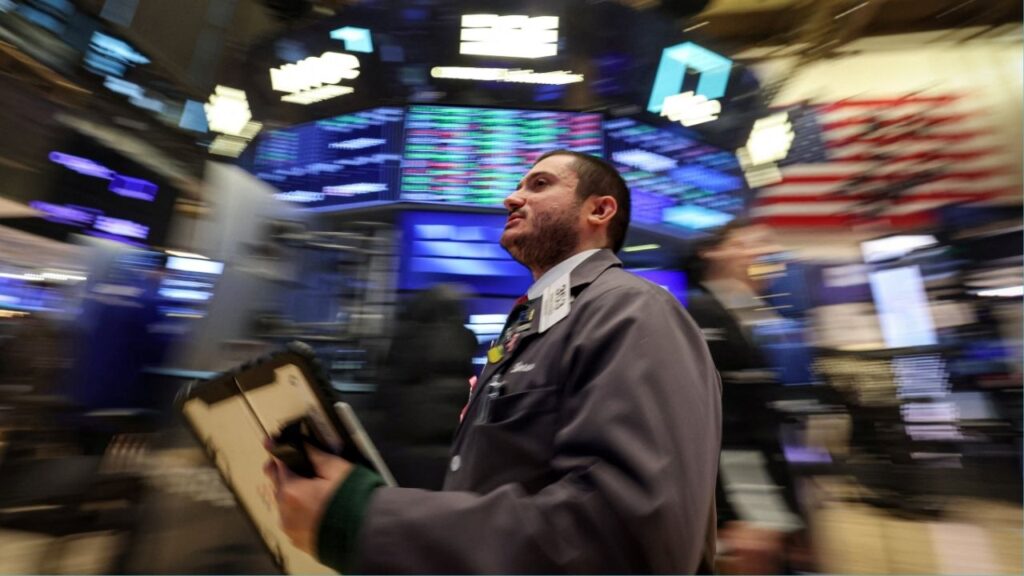
Wall Street’s main indexes opened sharply lower on Tuesday as investors were spooked by the renewed tariff threats. European stocks were also lower.
“We knew that some stock markets like the U.S … were all at elevated, stretched levels. So who knew what the pinprick was going to be? But we found it,” said Marc Chandler, chief market strategist at Bannockburn Capital Markets.
Weekly data from the U.S. markets regulator show investors have trimmed their largest long, or bullish, holdings of euro futures modestly, but that position is still close to its largest since mid-2023, which in theory means there could be appetite to sell.
The yen, which slid overnight as a selloff in Japanese government bond markets accelerated, picked up as European trading got underway, leaving the dollar down 0.04% at 158.055.
Japanese Prime Minister Sanae Takaichi has called snap elections for February 8 and has pledged a wave of measures to loosen fiscal policy, which has unnerved investors in Japanese sovereign bonds about the country’s fragile public finances.
The Swiss franc, a key beneficiary of any safe-haven flows, strengthened for a third straight day, leaving the dollar down 0.78% at 0.791 francs.
Against the Chinese yuan trading offshore in Hong Kong, the dollar was steady at 6.9557 yuan, its weakest since May 2023. The People’s Bank of China left benchmark lending rates unchanged for an eighth straight month in January, as expected by analysts polled by Reuters.
The Australian dollar was last up 0.24% to $0.673, while the New Zealand dollar climbed 0.62% to $0.584, its highest level this year.
—
(Reporting by Hannah Lang in New York and Amanda Cooper in London; additional reporting by Gregor Stuart Hunter; Editing by Andrew Heavens, Emelia Sithole-Matarise and Mark Heinrich)