
|
Getting your Trinity Audio player ready...
|
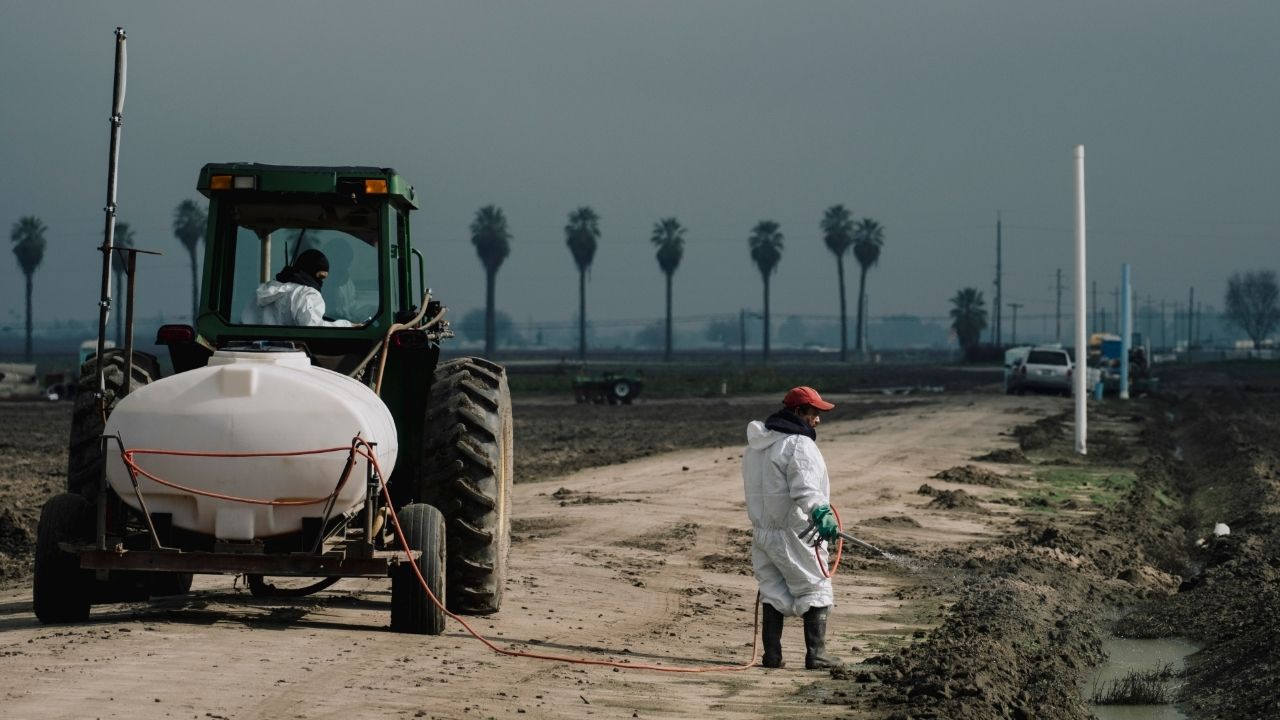
Before the Border Patrol embarked on its high-profile raids in Los Angeles; Chicago; Charlotte, North Carolina; New Orleans and Minneapolis, it tried out its tactics a year ago in Kern County, in California’s agricultural heartland.
A lawsuit filed against the federal government over its operations in Bakersfield and other parts of Kern County claimed that in some instances, Border Patrol agents had not identified themselves or presented warrants. In others, people were grabbed with force, and their requests to call a lawyer were denied.
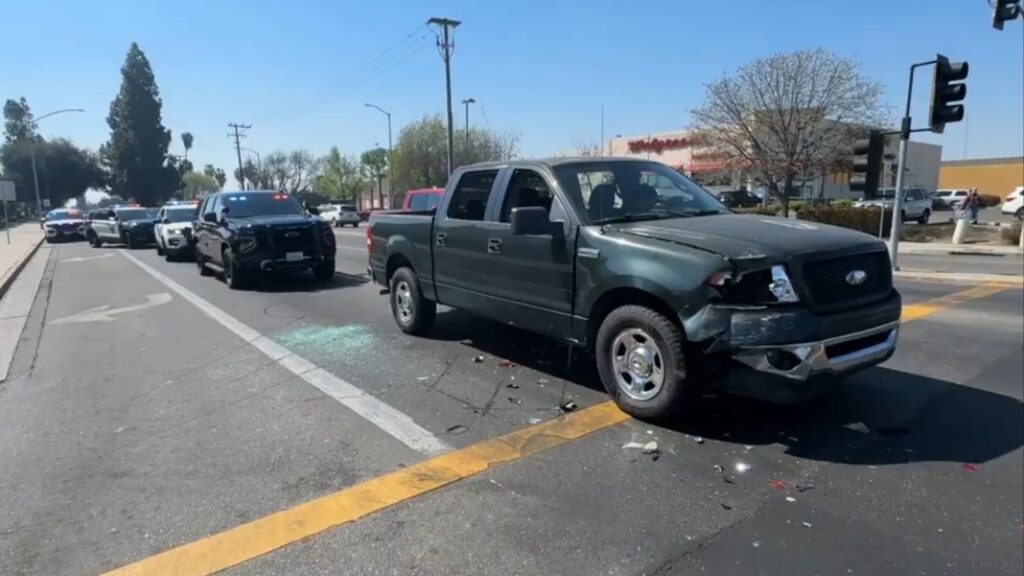
And in one case, the lawsuit said, agents stopped a U.S. citizen driving a truck, slashed the tires, blocked the truck with another vehicle, arrested the driver and then released him a few hours later.

The raids last January, in the last days of the Biden administration, initially drew little attention outside the farm country of California’s Central Valley. At the time, the eyes of the world were focused on the two vast wildfires raging in Los Angeles County.
But the Border Patrol’s actions in Kern County, which it called Operation Return to Sender, can be seen as a blueprint for the broader immigration crackdown that was to come. Similar tactics have become part of the agency’s standard playbook in other places, including Minnesota, where federal immigration agents are making hundreds of arrests amid sustained protests from local leaders and residents.
Kern County Raids
The man who led the Kern County raids, Gregory Bovino, became a star among opponents of illegal immigration. When the Trump administration began an immigration crackdown in Los Angeles in June, Bovino was tapped to lead operations there, and he was later asked to lead crackdowns in other cities.
“The Kern County operation was a test run, or a pilot project, on Bovino’s part,” Minju Cho, a senior lawyer for the American Civil Liberties Union, said in an interview. “We called it his audition for the Trump administration, and unfortunately, it seems to have worked. It really propelled him into the national spotlight, and since then, he’s only gained greater prominence as he’s been leading these operations around the country.”
The Border Patrol promoted the Kern County raids as a success, saying that it had arrested 78 immigrants in the country illegally during the three-day operation, including some with criminal histories.
But the agency’s tactics also showed opponents that it could be challenged and even stopped.
The ACLU filed a lawsuit on behalf of United Farm Workers and five Kern County residents that accused the agency of racial profiling and coercing at least 40 arrested immigrants “to accept voluntary departure.”
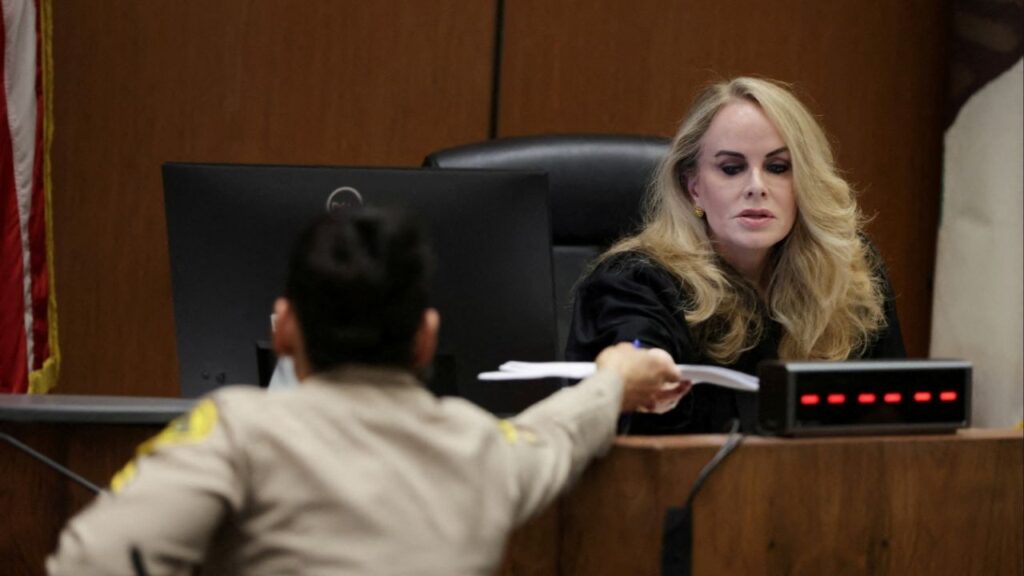
In April, Judge Jennifer L. Thurston of U.S. District Court issued a preliminary injunction barring Border Patrol agents from stopping Kern County residents without a reasonable suspicion of illegal presence, as required by the Fourth Amendment.
In the order, she cited evidence that the Border Patrol had violated its own policies by stopping people without reasonable suspicion, and she wrote that its public statements suggested that it would continue with its aggressive practices. She set out specific rules that the Border Patrol would have to follow for future stops.
DHS Appeals Thurston Ruling
The Department of Homeland Security has appealed Thurston’s ruling.
In interviews with The New York Times last year, Bovino dismissed accusations that the Border Patrol was using racial profiling in its stops.
He also said that the Border Patrol had gone to Bakersfield because agency leaders believed the area was a hub for smugglers. “It certainly opened our eyes to the need for interior enforcement, whether it’s attacking the smuggling networks going to and through Bakersfield or those illegal aliens that were already in Bakersfield,” he said.
Immigration and Customs Enforcement, a separate agency within the Department of Homeland Security, was not named as a defendant in the ACLU lawsuit. ICE was not restricted by the injunction and has maintained a presence in the region.
Ambar Tovar, an immigration lawyer at the United Farm Workers Foundation in Bakersfield, said federal immigration enforcement in Kern County had shifted to ICE agents who target people showing up to court dates or supervisory check-ins.
“These are people who are in active proceedings,” Tovar said. “ICE knows who they are, where they live, and knows where to find them.”
The Department of Homeland Security said that the Border Patrol had not conducted operations in Kern County since Operation Return to Sender but that Homeland Security continued to enforce the law across the country.
In an interview with The New York Times this month, President Donald Trump said he had directed ICE to ease deportations in the agricultural industry. “They have great people working for them who have been working for them for 25 years,” he said. “They are almost like a member of the family, and I don’t want those people thrown out of the country.”
Previous ICE Director Notices Differences
Sarah Saldaña, who served as an ICE director during the Obama administration, said she had noticed stark differences between how immigration enforcement was handled while she was with the agency compared with the second Trump administration.
ICE operations, Saldaña said, have typically required advance preparation and have targeted immigrants in the country illegally with criminal histories.
The Trump administration is casting a wider net by bringing in the Border Patrol, which uses different tactics. “The agents and the officers, it seems to me from what I can see, are just hitting the streets, as opposed to the targeted operations we did, certainly, under the Obama administration,” Saldaña said.
On Dec. 31, Rob Bonta, the attorney general of California, led a coalition of 17 state attorneys general in filing an amicus brief in the Kern County case, asking the 9th U.S. Circuit Court of Appeals to keep the injunction in place. The filing describes a sense of fear among residents in the area. It cites examples of attendance drops at churches and reduced business at local stores.
“The unscrupulous tactics used by Border Patrol Commander Greg Bovino and his team of agents during raids in Kern County, Los Angeles, and across the nation threaten the basic civil liberties afforded to all who call this country home,” Bonta wrote in the filing.
As the presence of federal immigration agents in cities leads to clashes with protesters, Saldaña said she is worried about the future.
“This get-them-at-all-costs attitude,” she said, “is just going to continue to cause problems.”
—
This article originally appeared in The New York Times.
By Orlando Mayorquín and Jesus Jiménez/Mark Abramson
c. 2026 The New York Times Company