
|
Getting your Trinity Audio player ready...
|
Weight-loss drugs such as Ozempic have transformed millions of lives with easily administered treatments and quick results.
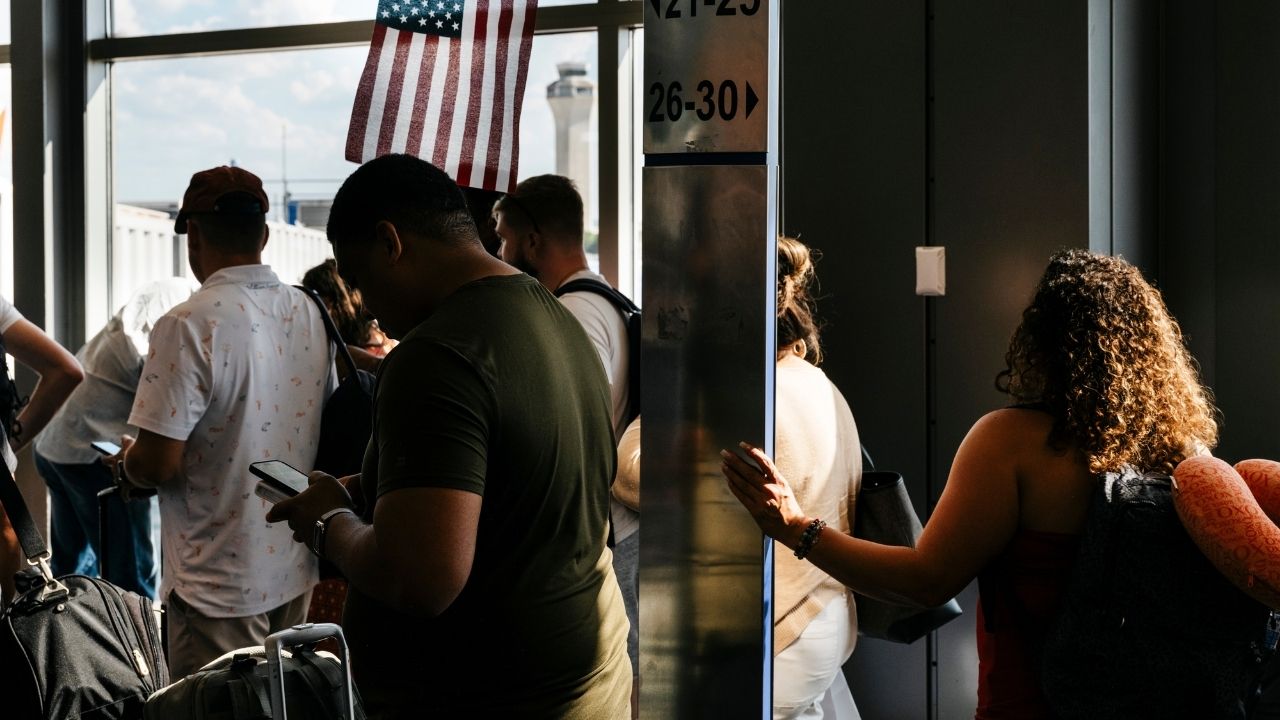
Now it turns out the dropped pounds may have a surprising perk for airlines, too: lower fuel costs, as slimmer passengers lighten their aircraft’s loads.
According to a study published last week by Jefferies, a financial services firm, the four largest U.S. carriers — American Airlines, Delta Air Lines, Southwest Airlines and United Airlines — could together save as much as $580 million per year on fuel thanks to weight-loss drugs, known as GLP-1s.

Sheila Kahyaoglu, an equity analyst at Jefferies and an author of the study, said the findings didn’t surprise her because airlines already looked for any way to reduce the weight of their aircraft.
“It only makes sense that the weight of their passengers also impacts their costs,” she said.
One in eight U.S. adults said they were taking a GLP-1 in a November survey published by KFF, a nonprofit health research group.
Fuel Among Airlines’ Largest Expenses
Fuel is among airlines’ largest expenses. The Jefferies study estimates that the four airlines will together consume 16 billion gallons of fuel in 2026 at a total cost of $38.6 billion, nearly 20% of their total expenses.
The savings from skinnier passengers would amount to just 1.5% of fuel costs. But airlines and pilots must scrutinize even the smallest changes to a plane’s weight and balance, and a lighter payload means each jet burns less fuel to generate the thrust necessary to fly.
Investors could also stand to benefit: The researchers estimated that a 2% reduction in aircraft weight could boost earnings per share by about 4%.
Kahyaoglu said she did not expect airlines to purchase less jet fuel as a result of the study’s findings. But she said weight-loss drugs might eventually lead to changes in how airlines generate additional revenue, especially if passengers start to buy fewer snacks.
Airlines including Air New Zealand, Finnair and Korean Air have in the past drawn criticism for weighing some passengers at the gate to help calculate weight and balance. That practice is somewhat more common on aircraft that seat just a few passengers, where a small change in weight distribution can affect how the plane flies.
But even for major airlines, efforts to cut weight and save money have sometimes veered into the extreme. Four decades ago, for example, American removed a single olive from each passenger’s salad, saving $40,000 per year in food and fuel costs.
“Airlines have a history of being vigilant around aircraft weight savings, from olives (pitless, of course) to paper stock,” the report says. “Passenger waist lines have thus far been out of their control.”
None of the four major airlines commented.
—
This article originally appeared in The New York Times.
By Gabe Castro-Root/Carter Johnston
c. 2026 The New York Times Company