
|
Getting your Trinity Audio player ready...
|
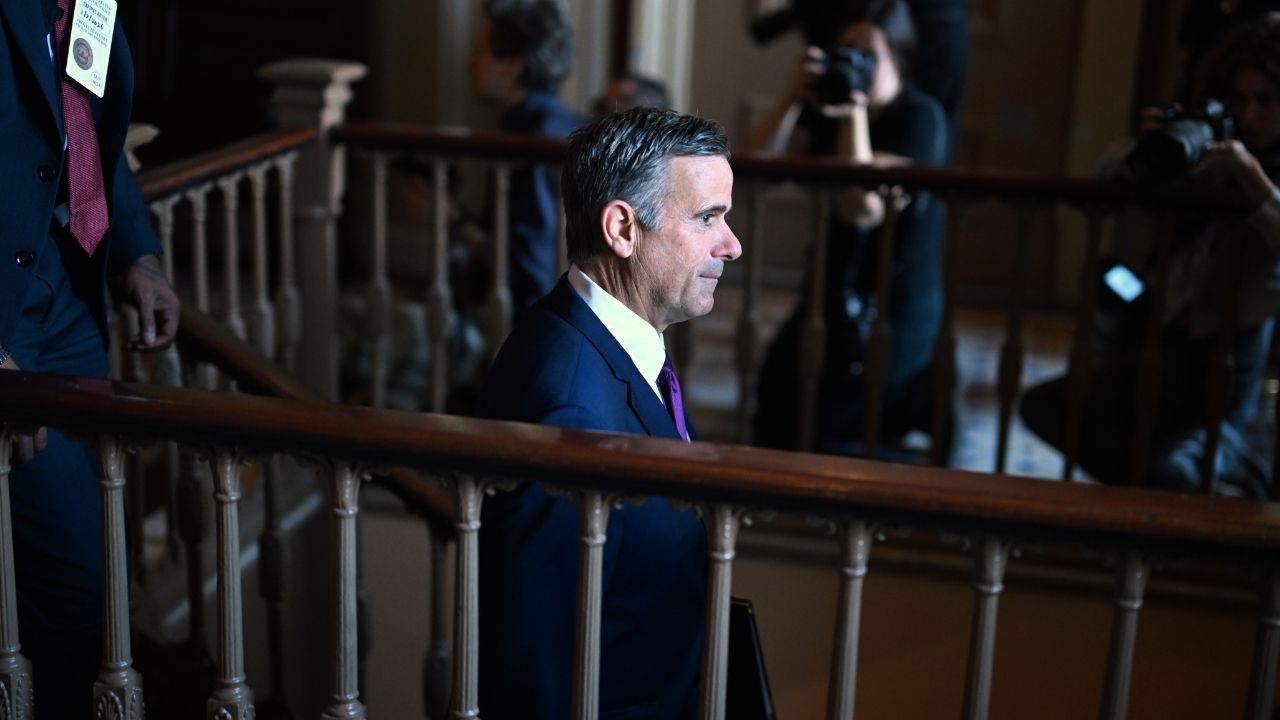
WASHINGTON — CIA Director John Ratcliffe met with Delcy Rodríguez, the interim president of Venezuela, in Caracas on Thursday, reinforcing the Trump administration’s message that it sees the interim government as the best path to stability in the country in the short term.
Ratcliffe is the most senior U.S. official, and first Cabinet member, to visit Venezuela since the U.S. military seized President Nicolás Maduro in a raid in the capital nearly two weeks ago.
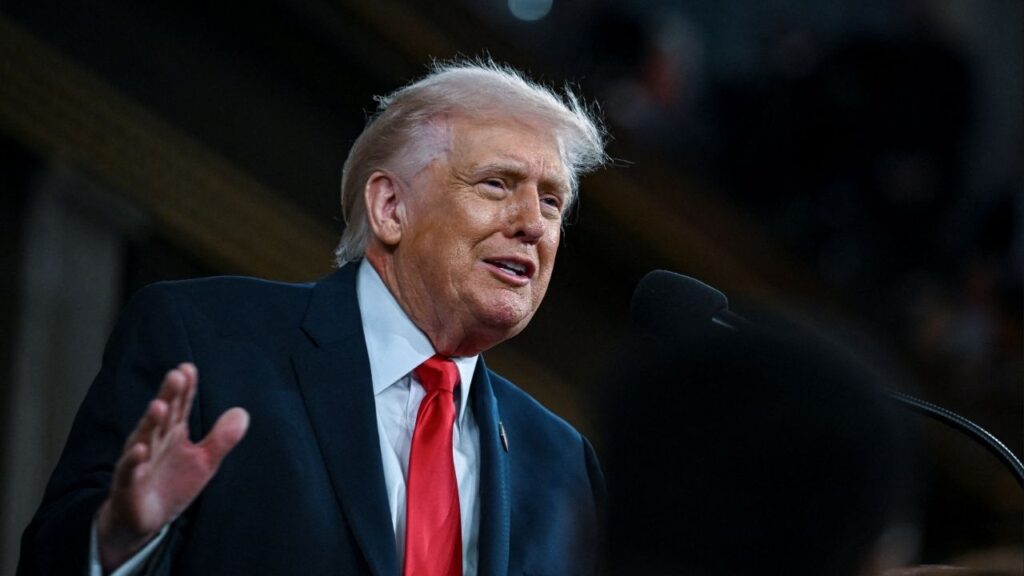
The meeting came a day after President Donald Trump spoke to Rodríguez on the phone and on the same day he met with María Corina Machado, the leader of Venezuela’s opposition and a Nobel laureate.

The high-profile visit by Ratcliffe, and the message of cooperation, could be seen as something of a snub to the opposition, whose supporters have been frustrated that the Trump administration has not tried to put Machado’s ally Edmundo González into power since Maduro was seized. González won the 2024 election, international election experts say, after Machado was barred from running, but Maduro refused to give up power.
‘Improved Working Relationship’
A U.S. official said Ratcliffe met with Rodríguez at Trump’s direction “to deliver the message that the United States looks forward to an improved working relationship.” The official, who spoke on the condition of anonymity to describe the sensitive meeting, added that the two discussed intelligence cooperation, economic stability and the need to ensure that the country was no longer a “safe haven for America’s adversaries, especially narco-traffickers.”
To Trump administration officials, Ratcliffe’s visit is meant to be an endorsement of the kind of stability Rodríguez offers and a sign of trust-building and collaboration between the two governments.
As early as last summer, senior U.S. officials were discussing how to maintain stability in Venezuela. At the time, the Trump administration was beginning to put together a counterdrug campaign that would involve attacking boats at sea that it said were smuggling drugs and that would eventually lead to Maduro’s capture.
As officials planned the campaign of boat strikes, removing Maduro, either through negotiations or by force, was the president’s goal, officials said. But there was intense talk about how to prevent chaos from spreading around the country after Maduro was forced out.
Senior officials raised the prospect that breaking up the Venezuelan government after removing Maduro — even to make way for an opposition leader — would be akin to the mistakes the United States made in Iraq when it dismantled the Iraqi army and created an insurgency, officials said.
Amid the discussions last summer, the CIA delivered an early assessment that Rodríguez, then Venezuela’s vice president, was a pragmatic politician, rather than an ideologue, who would be willing to negotiate and potentially even work with the United States.
One intelligence report circulated to senior policymakers mentioned that she wore a $15,000 dress to her inauguration, prompting an official to quip that “she is a socialist but the most capitalistic one I’ve seen.”
Rodríguez had been involved in negotiations with Richard Grenell, Trump’s special envoy, as well as other officials, as the administration looked for a deal to get Maduro to voluntarily give up power.
No Agreement Reached
No agreement was reached, but people briefed on the discussions said Rodríguez proved herself pragmatic, someone who was looking for potential points of agreement.
CIA analysts assessed that having Rodríguez continue as interim leader was the best way to prevent Venezuela from “descending into some chaotic situation,” a senior official said.
The lessons learned from Iraq hung heavily over the debates at the top ranks of the Trump administration. Administration officials said that the Bush administration’s decision to push out the entire Iraqi government and dismantle the army ushered in a long era of instability and insurgency that cost Iraqi and American lives and mired the United States in the country.
Trump and key members of his administration have been critics of the U.S. war in Iraq. But their criticism has focused less on the goal of removing dictator Saddam Hussein from power and more on the decision to keep troops in the country to provide security for elections and install a democratic government.
Since the operation to remove Maduro, Trump has said little about restoring democracy in Venezuela, spending more energy on discussing expanding the role of U.S. companies in the country’s oil industry.
Secretary of State Marco Rubio has also said he wants to see a “transition to democracy” in Venezuela, noting that he worked on the issue for years as a senator. He has long praised Machado but has noted that the reality is that the opposition is not present in Venezuela.
The senior official predicted that when Venezuela held elections, Machado would have a chance to run. But in the short term, the official said, Rodríguez is seen as someone who can keep control of the security forces, maintain infrastructure and “cooperate and coordinate with the U.S. government.”
—
This article originally appeared in The New York Times.
By Julian E. Barnes/Kenny Holston
c. 2026 The New York Times Company