
|
Getting your Trinity Audio player ready...
|
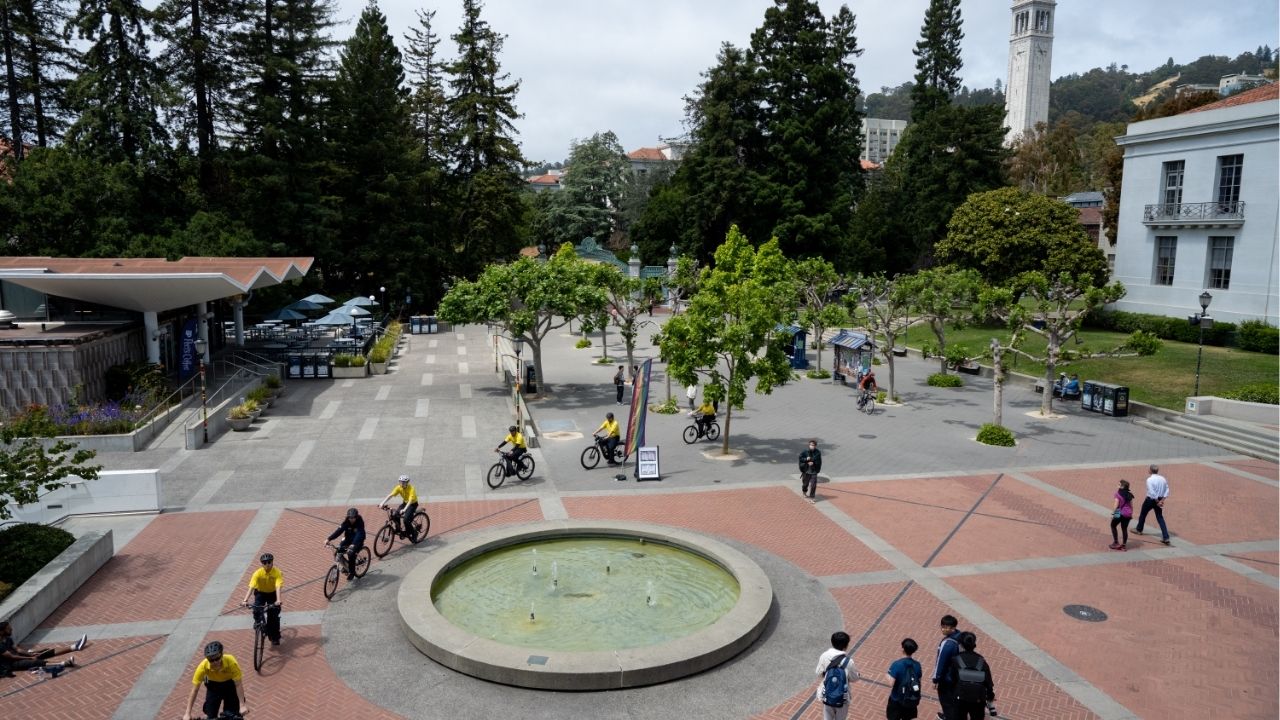
The University of California said Thursday that it had enrolled more than 301,000 students last semester, a record mark even as the Trump administration pursued a sweeping pressure campaign against the 10-campus system.
The university said most of the increase — the system had about 299,000 students in the fall of 2024 — was related to a rise in undergraduate students. The university published its data on the eve of Gov. Gavin Newsom’s budget proposal, hoping that higher enrollments, including among Californians, will lead to greater state support.
The university system is among California’s largest employers. Its leaders have said that it may need billions more from the state’s coffers each year if the federal government tightens the flow of money from Washington, as it has already tried to do.

Other public university systems have reported increased enrollments this academic year. California State University, for example, announced last month that it had more than 470,000 students enrolled, up roughly 2% from a year earlier. Head counts have simultaneously risen on campuses from the University of Washington Bothell to the University of Mississippi.
The enrollment increases came after the number of American high school graduates had been expected to hit a record high before beginning to fall because of birthrate declines.
In-State Enrollment Ticked Higher
For the University of California, in-state enrollment ticked higher. James B. Milliken, who became the University of California’s president in the summer, sought to frame the rising in-state enrollment figures as evidence of the system’s value to California at a tumultuous moment.
“These numbers reflect California’s commitment to academic excellence, access and innovation, values that have made the University of California the world’s greatest research university,” Milliken said in a statement, adding that “an investment in UC is the best investment in the future of our students, California’s workforce and the state’s economy.”
Less than two months ago, the system’s regents voted to raise tuition. But the university has nevertheless found vocal support in the state capital, Sacramento, in recent months, even though officials are waiting to see how that backing will translate into dollars at a precarious moment.
The Trump administration has made no secret of its disdain for the university system, especially the campuses in Berkeley and Los Angeles, and sought last year to cut off hundreds of millions of dollars in research funding. In August, after the government accused UCLA of harboring antisemitism, the Justice Department sent a settlement proposal that included a $1 billion fine.
Milliken quickly said a payment of that size would effectively bankrupt the university system, and he has faced sustained pressure in California to refuse a settlement. A federal judge issued a preliminary ruling in November and forbade the government “from seeking payments” from the university system in connection with civil rights investigations. The judge, Rita F. Lin of U.S. District Court in San Francisco, also said the Trump administration could not pressure the University of California by threatening its research funding.
In a court filing last month, the Justice Department said that “settlement negotiations are ongoing, UC has not accepted any terms and no agreement has been finalized.”
—
This article originally appeared in The New York Times.
By Alan Blinder/Marlena Sloss
c. 2026 The New York Times Company