
|
Getting your Trinity Audio player ready...
|
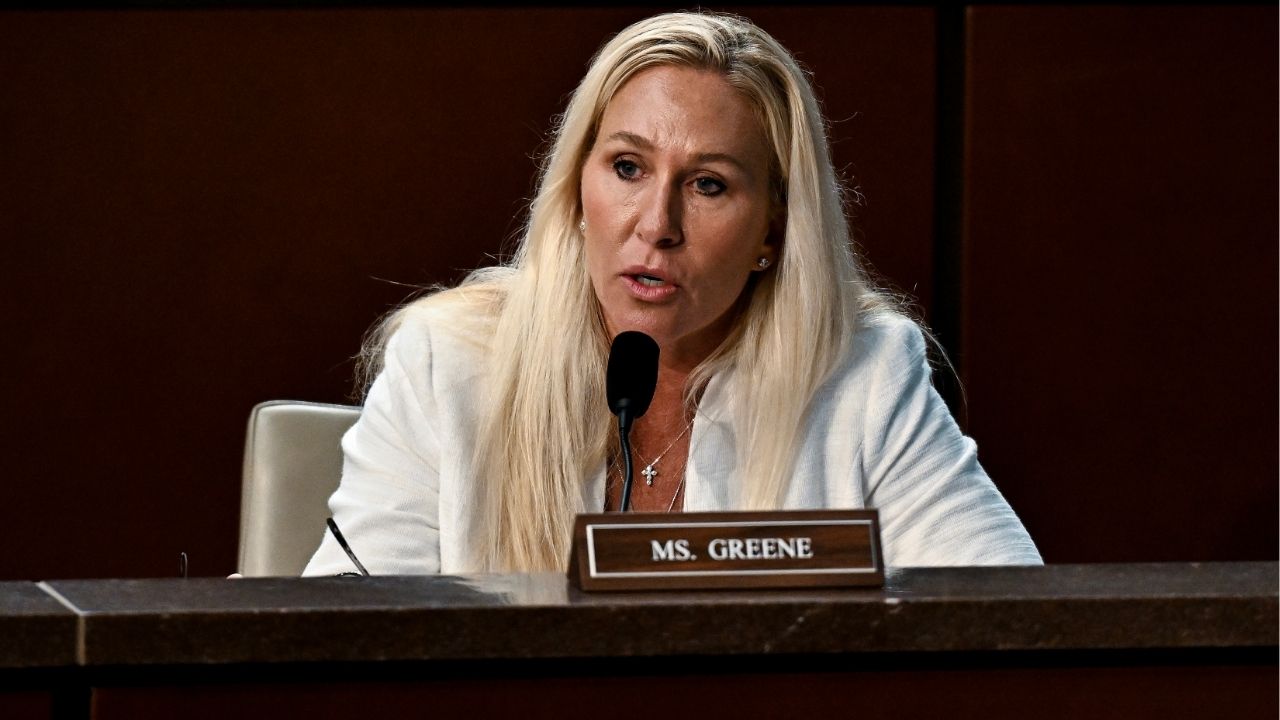
ATLANTA — Gov. Brian Kemp of Georgia on Tuesday set a special congressional election to serve out the remainder of Rep. Marjorie Taylor Greene’s term after her unexpected resignation.
Greene, a Republican who entered Congress in 2021, officially stepped down Monday, as she said she would in an announcement on Nov. 21 that blindsided her constituents and many lawmakers in her party who did not expect her rift with President Donald Trump to escalate so intensely.
Even as Democrats have become more competitive in Georgia in recent years, Greene’s district — the 14th, which reaches from the Atlanta suburbs to the northwest corner of the state — has remained deeply conservative. It is widely regarded as securely Republican, meaning there is little chance of the election helping to shift the balance of power in the House.

The special election will be held March 10. The timing of the contest, months before the midterms, will most likely ensure it draws national attention because it will provide a window on the mood and priorities of voters who have traditionally been ardent supporters of Trump.
Candidate Field Remains Unsettled
The field of candidates to replace Greene remains unsettled. But nearly two dozen people have entered the race for the general election in November, according to federal election records. Candidates have until Jan. 14 to qualify to run in the special election.
The race might offer a measure of the fissures within the Make America Great Again movement, some of which were evident in the acrimonious split between Trump and Greene, who had once seemed an unshakable ally.
After Trump returned to office last year, Greene strayed from him on some key issues, including whether to extend enhanced federal subsidies that brought down insurance costs for Obamacare customers. She also openly questioned his commitment to the movement’s “America first” ideals, saying he had devoted too much of his attention abroad.
But the heart of their division was over her relentless focus on the exploits of Jeffrey Epstein, the powerfully connected convicted sex offender who died in 2019, and her push to release files related to him. She attacked the administration for not moving more aggressively.
Trump responded by rescinding his endorsement of her in the 2026 election, vowing to back a primary challenger and calling her a “traitor.”
Yet in a sign that the frustrations aired by Greene were not hers alone, many Republicans in her district expressed their continued support of her. The Republican Party in Floyd County, which is in her district, put out a statement after she announced she was resigning that praised her for working “tirelessly to support the needs and views of her constituents.”
Her resignation set in motion what has historically been an awkward situation in Georgia that perplexes voters and can be grueling for candidates with overlapping contests for the same elected office — one for the 2026 general election and another to fill the vacated seat for the rest of Greene’s current term, which ends next January.
If no candidate wins the March election outright, a runoff will be held in April. The primary for the general election is in May. That means voters would have to cast ballots for that House seat three months in a row — and possibly four, if no candidate decisively wins the primary and it advances to a June runoff.
A similar circumstance followed the 2020 death of John Lewis, the pioneering civil rights leader who represented the Atlanta area in Congress. Candidates mounted campaigns for an election and then a runoff for what amounted to a roughly two-week stint in the House.
—
This article originally appeared in The New York Times.
By Rick Rojas/Kenny Holston
c. 2026 The New York Times Company