

|
Getting your Trinity Audio player ready...
|
My dear friend Carl, a diehard Trumper, occasionally texts me images and videos that espouse his political views. He trusts I will not respond with nasty vitriol typical across many social platforms.

Paul Garcia
Opinion
Our communications have recently focused on the lack of civil discourse between those who harbor politically opposing viewpoints. The use of disgusting name calling, racial slurs, and personal accusations have destroyed friendships and ruptured family relationships. Instead of attacking people and personalities, the target should be policies and practices that are deemed unacceptable. Policies can be challenged if they are unconstitutional or discriminatory. Practices can be eliminated if they are illegal, ineffective, or violate civil rights. Personalities are intractable.
Baseball’s Unofficial Yet Effective ‘Rules’
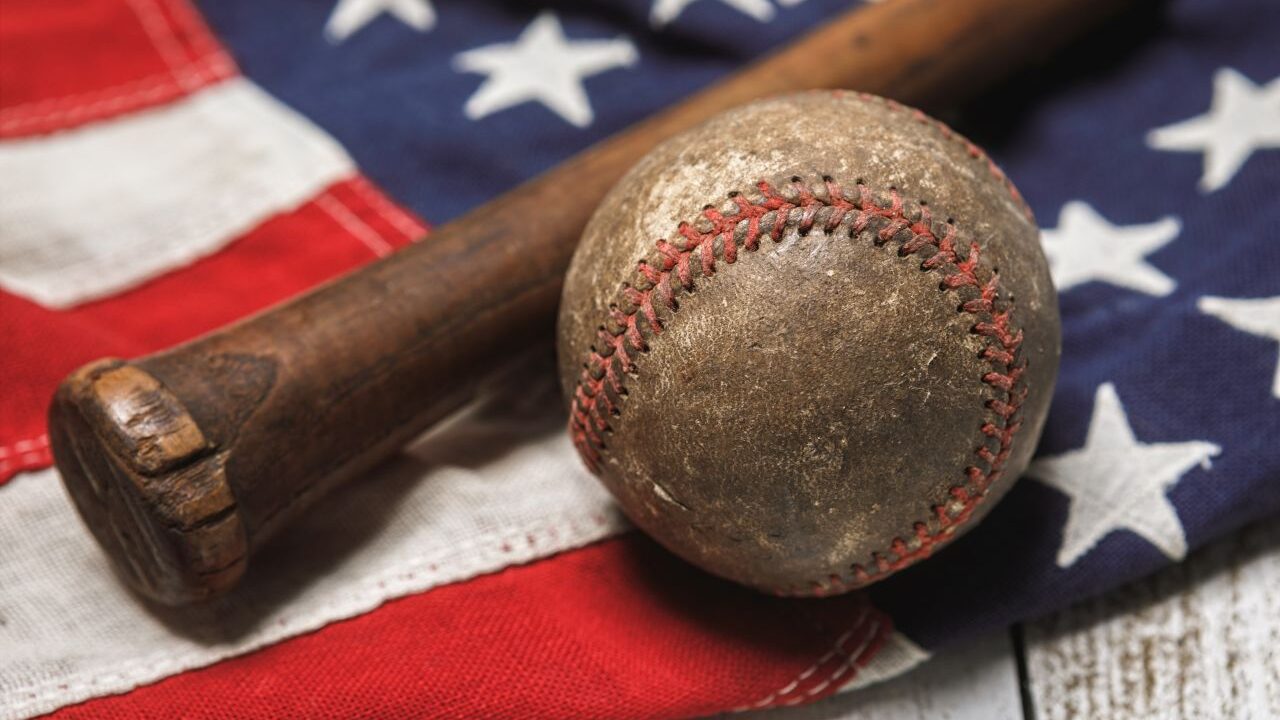
The texts Carl and I exchange remind me that we played baseball together in high school and still believe our love of baseball shaped our perspectives toward accepting differences of opinion. Perhaps, it’s baseball’s approach to resolving differences that has joined a Trumper and a leftist. In baseball, the execution of plays is not personal, but strategic. For example, when a player commits an offense like over-showcasing a home run, it is not uncommon for the pitcher to throw at the batter as a mere reminder of the transgression. If the behavior was grievous, it would warrant actually hitting the batter. Either way, the matter is laid to rest. Civility is restored. Similar approaches to political disagreements can be manifested without violence.

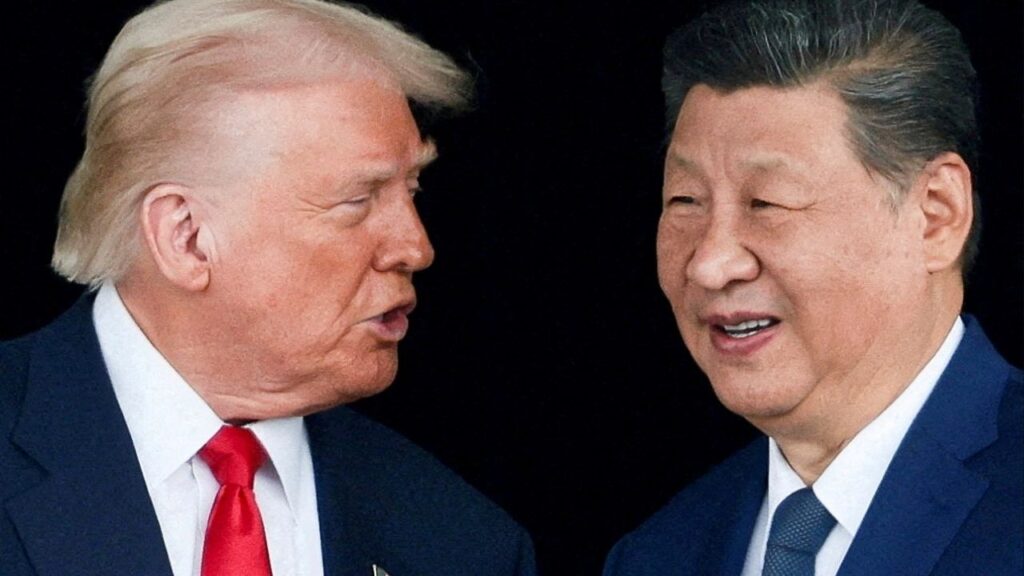
At times, the coach will signal for a stolen base to advance the runner. It calls for speed and timing. A stolen base often leads to a run, its primary objective. President Trump’s call to redistrict Texas before the next midterm elections can be called a form of stealing. Gov. Gavin Newsom’s response was to achieve a similar act in California through Proposition 50. To add protection to the base runner, the coach may call for a hit and run. This requires the hitter to put the ball into play during the steal such that the catcher’s role is eliminated. The judicial system may find the tactics unconstitutional in both Texas and California, nullifying the theft and restoring the voters’ rights to representative governance.
Another baseball strategy is to change the lineup of batters such that the team’s strengths are advanced and the weaknesses contained. This may be an appropriate strategy for the presidential election in 2028. The Democrats can redirect attention and resources toward the mobilization of Latino, African American, and young voters. These population groups were unexpectedly attracted to Trump in 2024. It may be time to shuffle the players instead of attacking the voters as traitors.
Political Version of Baseball’s Suicide Squeeze
When a crucial run can determine the game’s outcome, one play that is rarely executed is the suicide squeeze. The risks are high as the runner speeds home from third base while the batter is required to lay the ball down. The wooden bat is an immense threat to the runner if the batter misreads the sign. The meaning of the play is not rhetorical. The many demonstrations and marches that protested the deployment of Immigration and Customs Enforcement (ICE) officials and the National Guard to major cities are examples of the suicide squeeze, in community form. Make no mistake, the protesters are playing hardball. Although these forms of civil disobedience were effective during the struggle for civil rights, the risks were high. Witness the slaying of four Kent State University students in 1970 by the Ohio state national guard. They were protesting against the Vietnam War. The risks remain today. The dangers are pepper spray, deadly batons and pipe bombs.
While baseball is indeed the national pastime, it’s disciplined chivalry can inform civil discourse. However, the analogies in baseball suffer when the theater of partisan politics are so cruel and demeaning, they threaten democratic principles and processes.
Fortunately, there is one final baseball analogy that can restrain political debauchery; it occurs after each Little League game. It’s an act of kindred warriors graciously, but only temporarily, ceasing the battlefield. The act can conjure weakness; tantamount to humiliation and defeat in political circles. At the end of each game, it is customary for the Little League players to gather outside their respective dugouts and cheer, “two, four, six, eight……”
About the Author
Paul A. Garcia of Fresno is a retired educator. He writes commentary on education and issues that affect the Latino community, as well as topics of general interest. He has a doctorate degree in Educational Leadership from Fresno State/UC Davis.