
|
Getting your Trinity Audio player ready...
|
NEW YORK — A deficit of trust in the media is happening at a time when the industry is more fragmented than ever: Podcasters, streamers and influencers compete for attention with legacy media companies and traditional journalists, as well as social media platforms.
So, whom should people trust? And what is “the media?”
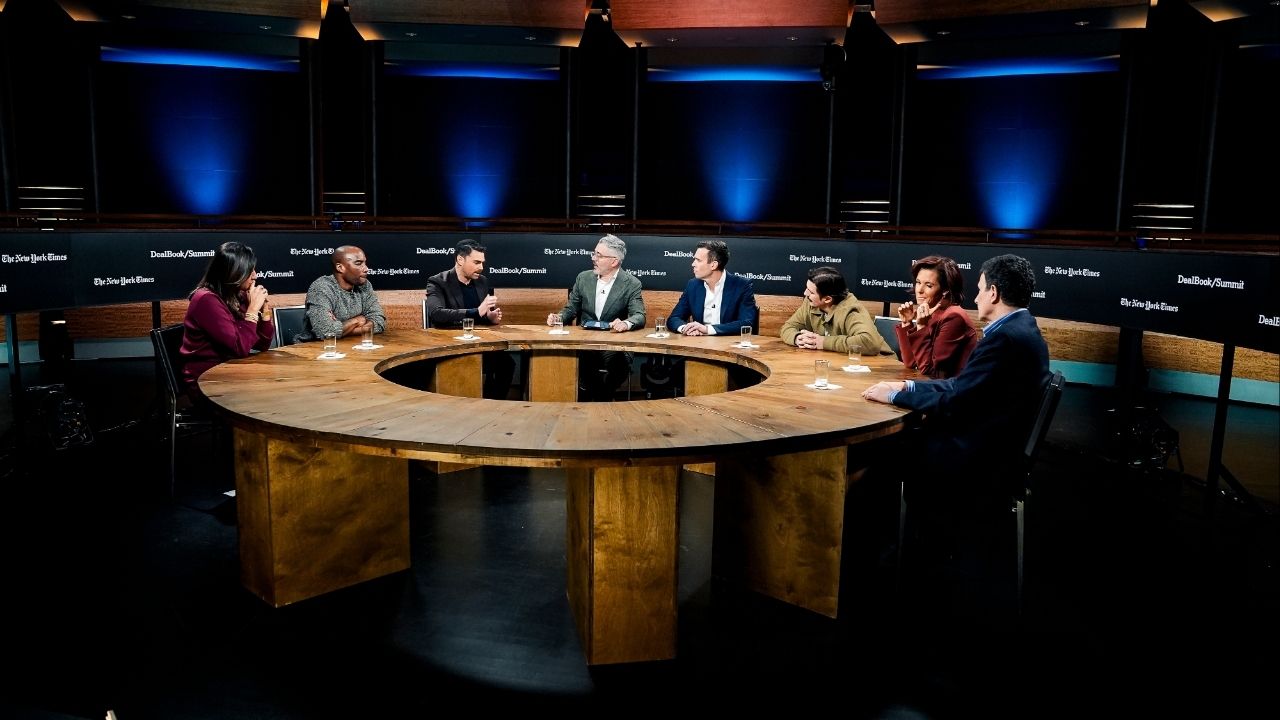
A high-profile seven-person panel convened at the DealBook Summit to tackle the ways the media industry is being interrupted and disrupted, including by President Donald Trump’s hostile approach to reporters and the rise of journalists as brands and personalities.

Even the opening question by the moderator, The New York Times’ Michael Barbaro, showed a split among the panelists on how trustworthy the media of today is, with those at legacy media institutions saying there is good reason to believe journalists at credible outlets, while those in the so-called New Media were broadly more skeptical.
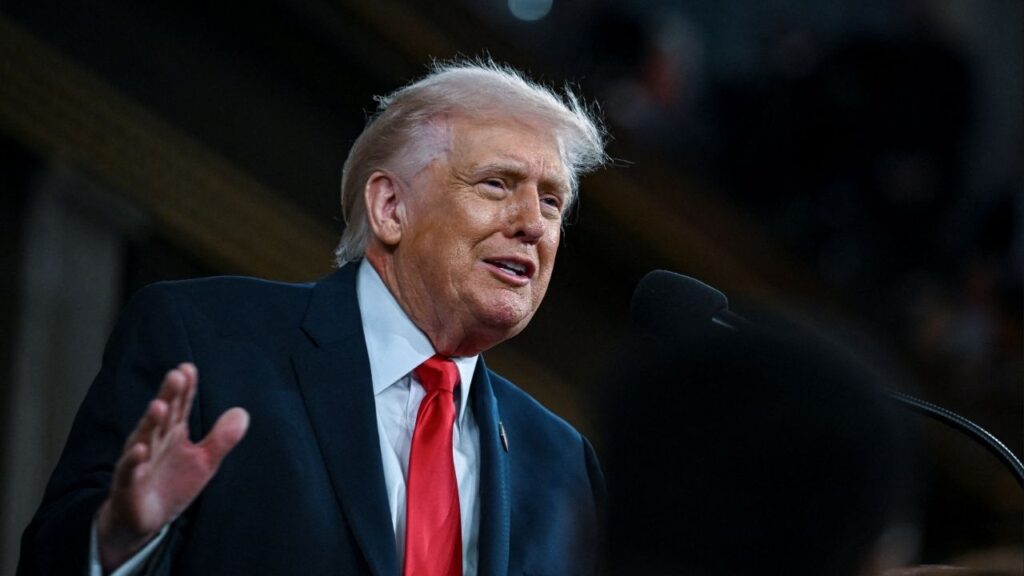
And there were some differing views of Trump’s threats against the media. The New Yorker’s longtime editor, David Remnick, said Trump’s lawsuits, rhetoric and regulatory pressure echoed what he witnessed as a correspondent in Russia. “If you’re not taking what Donald Trump is doing seriously and you don’t see how this at least rhymes with the re-establishment of authoritarian pressure on the free world, then you’re not watching and you’re not listening,” he said.
Amna Nawaz, the co-anchor and co-managing editor of PBS NewsHour, who previously worked as a foreign correspondent for NBC News, agreed.
“For anyone like David, like me, who has lived in a country where you don’t have a free and fair press, where it’s normal for military or intelligence officials to show up at your home in the middle of the night, or to demand to see your files, or to threaten you with consequences for your work, the parallels here are terrifying,” she said.
But Ben Shapiro, the host of the daily podcast “The Ben Shapiro Show,” argued that trust in the media had vastly declined before Trump took office and that he should not bear the brunt of the blame, noting that there had been a long-running critique on the right that mainstream news organizations had a left-leaning bias. “They see him standing over the body of journalism and they assume that he is the killer and not the coroner,” he said.
Jon Favreau, co-founder of the Crooked Media company, pointed to the dangers in the weaponization of the Federal Communications Commission, whose chair has pressured TV networks and threatened to pull broadcast licenses. “Now every time there’s going to be a media merger or a company that wants to merge with someone else, they have to make sure that they are in the good graces of Donald Trump and the administration and the government, which is something that you would not want in a free democracy,” he said.
Andrew Schulz, who hosts “The Flagrant Podcast” and “The Brilliant Idiots,” said it was exactly those corporate interests of media companies that made people distrust them, while Shapiro pointed to the news media’s coverage of the Russia investigation and the coronavirus pandemic as eroding trust with the public. “I think we have to admit that these collectives, these organizations, are made up of human beings,” Remnick replied. “And that what we are talking about, the press, is the first rough draft of history.”
Nawaz and MS NOW host Stephanie Ruhle said there was now a lot of good information available across many different media outlets. “This is an extraordinary time for smart, credible, trustworthy journalism,” Ruhle said, pointing out that in decades past, audiences could only turn to three national newspapers and three national TV networks.
Charlamagne tha God, co-host of the syndicated radio show “The Breakfast Club,” disagreed, saying people felt that newsrooms have agendas. “They have a set of programming that they want to push to a group of people,” he said. “And when they see all of these different things happening on social media or on podcasts, they’re realizing, ‘oh, man, the people aren’t buying into our programming.’”
Schulz also pointed out that algorithmically driven social media platforms had splintered audiences into “a thousand different realities,” with often only the most inflammatory rhetoric on either side of the political system rising above the noise. “What I assume will happen in the next two to five years is we’ll start realizing that the internet also needs nutrition facts,” he said, with Favreau replying: “Now we’re bringing the gatekeepers back, and we got rid of them.”
Part of the issue when discussing trust in the industry is that “the media” is far too broad a term for a collection of roles and outlets that are serving different purposes.
Shapiro said that while audiences had to be discerning, journalists and podcasters also had to acknowledge their biases. “I think the reason people pick on legacy media is that legacy media tries to be all things to all people by claiming that they do not have a viewpoint, that they stand somehow, objectively, outside the world and never bring their own viewpoints to bear,” he said.
Nawaz disagreed: “What we’re doing is fundamentally different.” She added, “We have a duty to remove whatever our personal biases are.”
—
This article originally appeared in The New York Times.
By Katie Robertson/Nicole Craine
c. 2025 The New York Times Company