
|
Getting your Trinity Audio player ready...
|
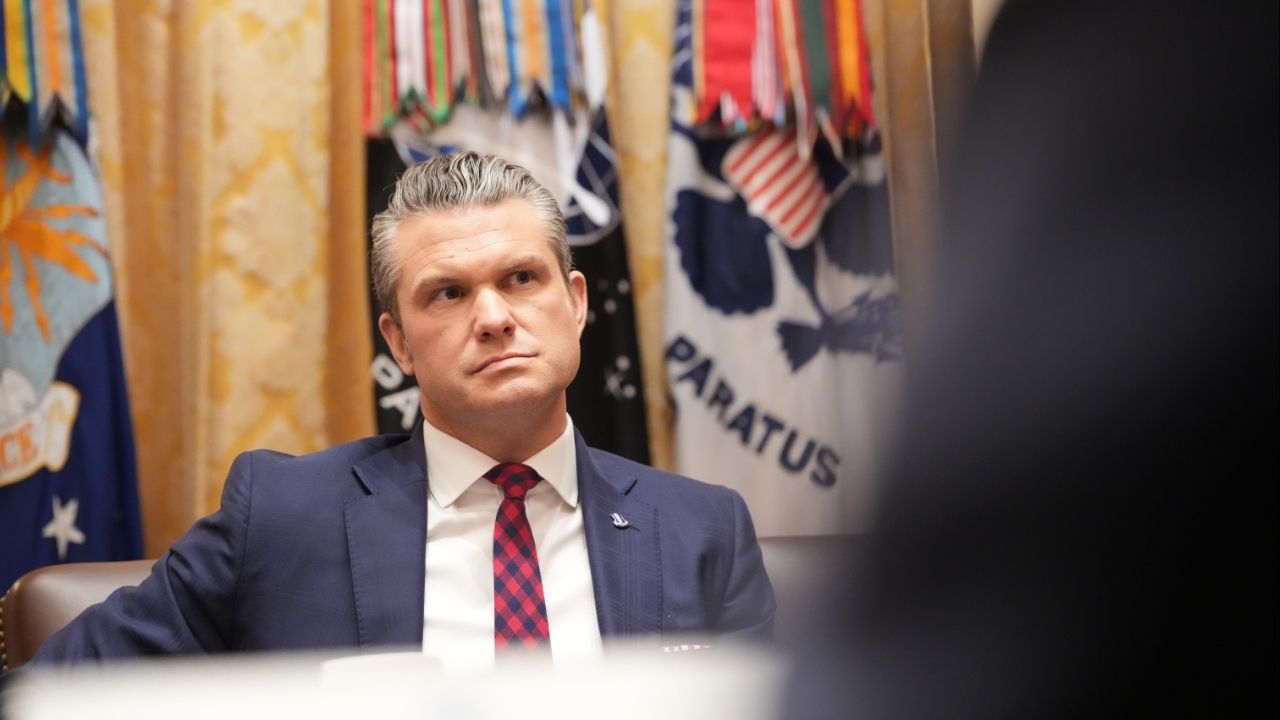
As Defense Secretary Pete Hegseth spoke Tuesday about a deadly U.S. military attack on a boat in the Caribbean, he referred to “the fog of war,” a phrase that has been used in war planning for centuries.
“I did not personally see survivors,” he said at a Cabinet meeting in the White House, referring to people who were clinging to the boat’s wreckage between two U.S. strikes Sept. 2. “The thing was on fire. It exploded; there’s fire; there’s smoke.
“This is called the fog of war,” he added.

Here’s what the term means and why Hegseth’s remarks matter.
What Was the Context for the Remarks?
Starting with that September attack, which killed 11 people, the U.S. military has been striking boats in the Caribbean Sea and the eastern Pacific that the Trump administration says are smuggling drugs. In all, the strikes have killed dozens of people.
Hegseth’s “fog of war” comments came as the Trump administration faces questions about the legality of the attacks. Some U.S. lawmakers have suggested that U.S. military officials might have committed a war crime in ordering a second strike on the boat Sept. 2, killing the two survivors of an initial strike.
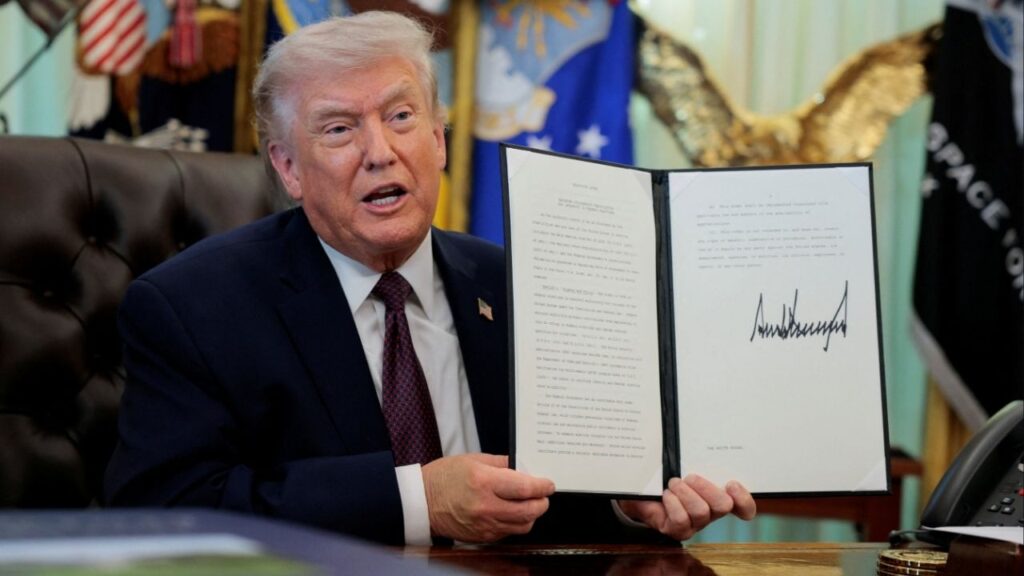
President Donald Trump and Hegseth have denied knowing that the second strike could have hit survivors. Hegseth has said that he left a control room after the first strike and delegated decisions to Adm. Frank M. Bradley, the commander of the operation.
The ‘Fog of War’ Describes Uncertainty in Military Operations.
The term has been attributed to Carl von Clausewitz, a Prussian general who wrote an unfinished book called “On War” after fighting wars against Napoleon. The book, published posthumously in 1832, described war as a “realm of uncertainty.”
Although Clausewitz never used the exact term, “fog of war” has come to be used by military experts to describe the often imperfect information that officers and troops must process in the thick of battle.
A commander’s judgment could be clouded by faulty communications or an incorrect weather forecast. A decision made by one side could set off an unpredictable range of reactions by an adversary.
“So many things are happening at the same time,” said Michael Raska, an expert on military technologies at the S. Rajaratnam School of International Studies in Singapore. “You will never have the full picture.”
The Phrase Is Often Used by Military Planners.
Military officers around the world often encounter Clausewitz’s writings in classrooms and war exercises, where they learn how to operate amid uncertainty.
”Officers in training learn the term almost instantly,” said Derek Grossman, a professor at the University of Southern California who has advised the U.S. military. “That’s part of warfighting, to adapt on the fly.”
A 2003 documentary about Robert McNamara, the U.S. defense secretary during the Cuban missile crisis and part of the Vietnam War, was titled “The Fog of War.” The concept also features in role-playing video game series like Warcraft, where information is deliberately withheld from players as they battle creatures.
What Do Military Experts Make of Hegseth’s Comments?
In interviews Wednesday, experts on defense and military operations said that Hegseth’s use of the term “fog of war” raised additional questions about the strikes.
“If you say you did not have good visibility of the target, the question would be how did you know it presented a threat, and why did you engage it?” said Maj. Gen. Mick Ryan, a retired officer in the Australian army.
Ethics and laws are supposed to guide decisions made in uncertain conditions, said Ankit Panda, an expert on nuclear proliferation at the Carnegie Endowment for International Peace, a Washington research institute. A professional military would also have tools to reduce the metaphorical fog as much as possible, he added.
“It’s not the kind of excuse you would use to absolve a military decision-maker from responsibility,” he said.
—
This article originally appeared in The New York Times.
By Francesca Regalado/Doug Mills
c. 2025 The New York Times Company