

|
Getting your Trinity Audio player ready...
|
Salting and burying biomass crops in dry landfills could economically capture greenhouse gases for thousands of years and avoid a global climate disaster, concludes newly published UC Berkeley research.
“We’re claiming that proper engineering can solve 100% of the climate crisis, at (a) manageable cost,” said Eli Yablonovitch, lead author and professor in the Graduate School of UC Berkeley’s Department of Electrical Engineering and Computer Sciences.
“If implemented on a global scale, this carbon-negative sequestration method has the potential to remove current annual carbon dioxide emissions as well as prior years’ emissions from the atmosphere,” added the world-renowned physicist and engineer.

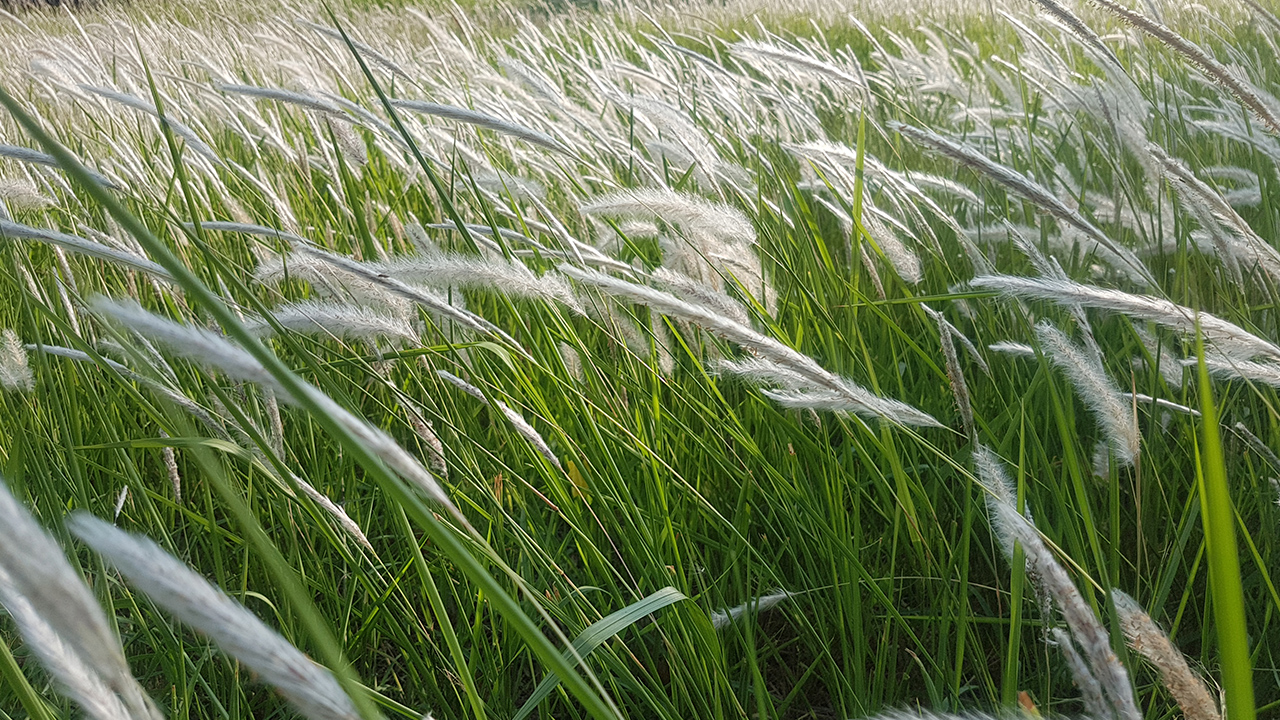
The researchers, whose work was published Tuesday in the journal Proceedings of the National Academy of Sciences, propose growing biomass crops to capture carbon from the air. The harvested vegetation then would be buried in engineered dry bio-landfills.
This technique is called agro-sequestration. With the help of salt, it suppresses microbial activity and staves off decomposition. And, that results in stable sequestration of the biomass carbon.
‘Invaluable New Option’ for Climate Change
Hugh Helferty, co-founder and president of Producer Accountability for Carbon Emissions, a nonprofit committed to attaining global net zero emissions by 2050, sees great promise in this proposed solution.
“Agro-sequestration has the potential to transform temporary nature-based solutions into permanent CO2 storage,” Helferty, who is not involved with the study, told Berkeley News.
“By developing their approach, (study so-author Harry) Deckman and Yablonovitch have created an invaluable new option for tackling climate change.”