
|
Getting your Trinity Audio player ready...
|
The Bank of Israel next week is expected to leave short-term rates unchanged for a second straight month due to fears of a rise in inflation stemming from the conflict with Iran that has driven up oil prices.
All 13 economists polled by Reuters said the central bank would hold its benchmark rate at 4.0% on Monday, when its decision is due at 4 p.m. (1300 GMT), followed by Governor Amir Yaron’s media briefing.
After two successive cuts in November and January, policymakers held firm on February 23 in a unanimous vote because of uncertainty linked to a possible attack on Iran.

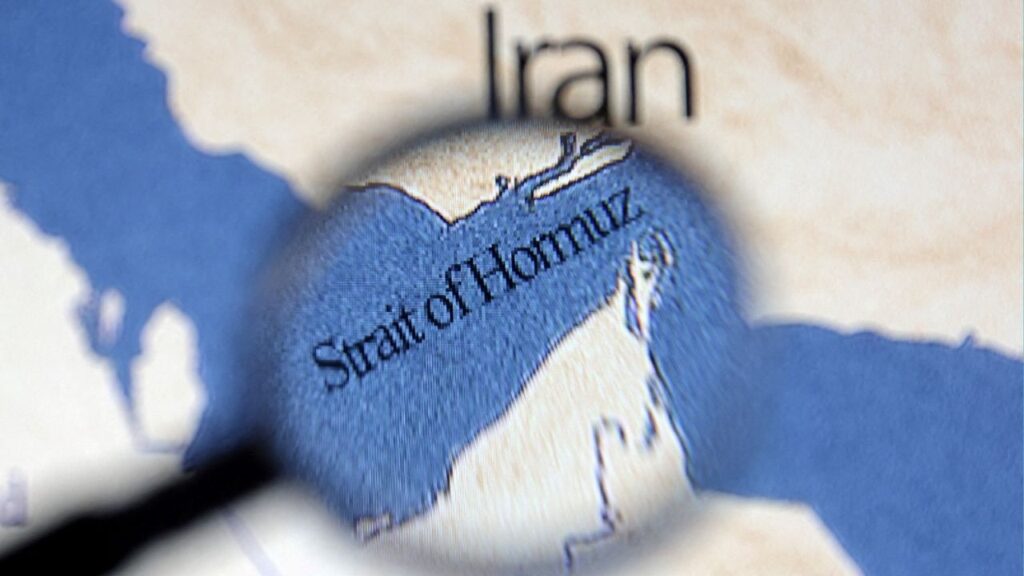
U.S. and Israeli strikes launched on February 28 resulted in Iran largely shutting the Strait of Hormuz, sending oil prices soaring.
“As long as the fighting continues and Israel’s risk premium remains high, the central bank is expected to remain on hold,” said Ofer Klein, head of economics and research at Harel Insurance and Finance.
Economists had expected the key rate to fall to between 3% and 3.5% this year, but now they see one 25-basis-point cut. At the same time, other central banks are either on hold or raising rates.
Israel’s annual inflation rate edged up to 2% in February from 1.8% in January.
The Bank of Israel remained cautious throughout the Gaza war that began on October 7, 2023 due to supply-led price pressures.
“It will take at least few months to figure out the supply constraints, excess demand, all the mix we had during the war until the last ceasefire (in October),” said IBI Investment House Chief Economist Rafi Gozlan.
Economists also cited the inflationary effects of the 2026 state budget as military spending has pushed up the deficit target to near 5% of gross domestic product. Parliament has until March 31 to approve the budget and avoid snap elections.
Israel’s economy grew a solid 2.9% in 2025 despite the burden of the Gaza war and the Bank of Israel had previously forecast growth would accelerate to more than 5% this year.
That estimate is now expected to be reduced on Monday when the central bank will release its updated economic forecasts along with the rate decision.
“The Bank of Israel will probably find it harder to proceed with policy easing in the near-term,” said JPMorgan economist Anatoliy Shal, noting that it has tended to see the economic impact of wars as inflationary.
“This episode will probably be no exception,” Shal said.
—
(Reporting by Steven ScheerEditing by Tomasz Janowski)