
|
Getting your Trinity Audio player ready...
|
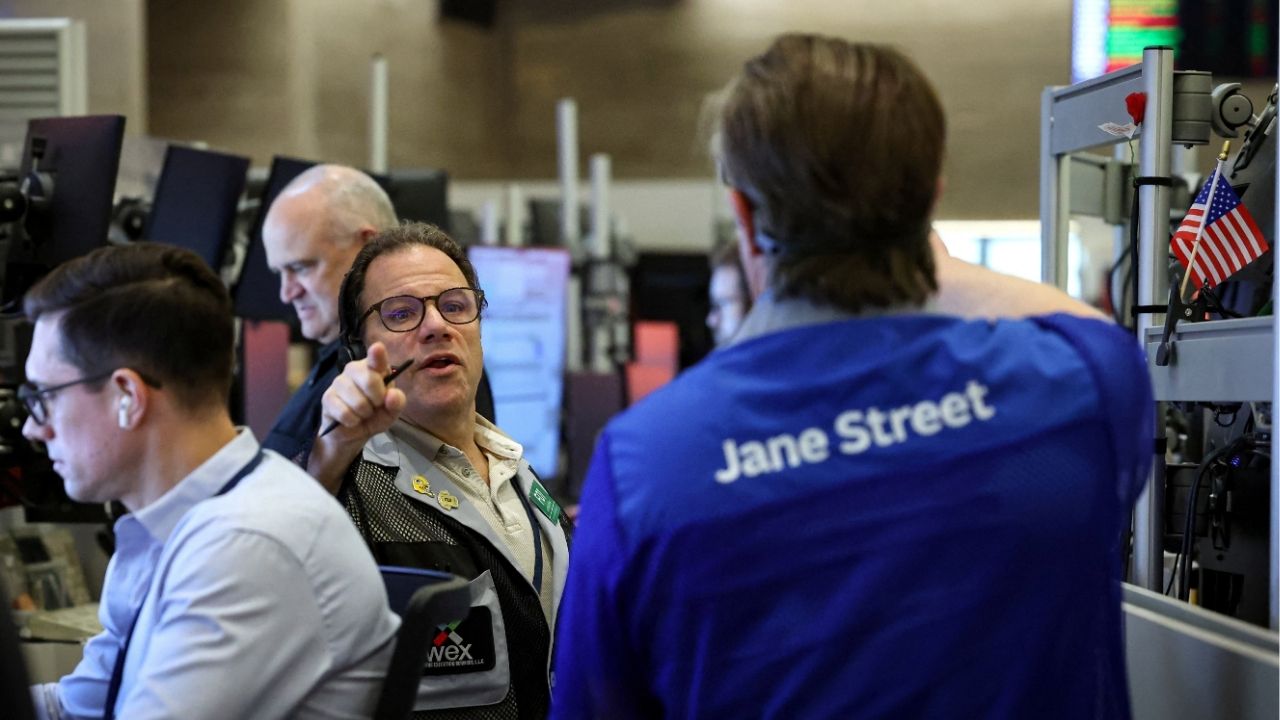
Wall Street’s main indexes pulled back on Tuesday as renewed doubts over easing Middle East tensions tempered the previous session’s relief rally despite President Donald Trump’s decision to delay strikes on Iran’s power grid.
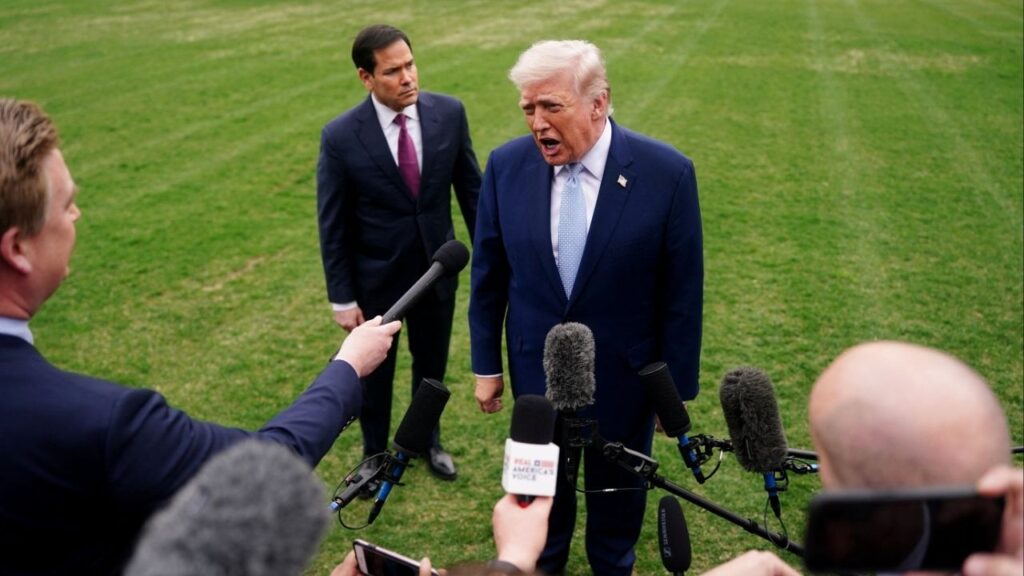
Trump postponed his decision, citing “productive talks” with Iranian officials on Monday, but Tehran has said no negotiations with the U.S. have taken place. Israeli officials said Trump wants a deal with Iran, but any talks were unlikely to be successful at this point.
Investors took comfort from Trump’s comments, sending Wall Street’s main indexes rallying to more than 1% on Monday, in their biggest one-day rise since February 6. But the momentum lost steam as uncertainty over the conflict lingered.

“It’s like whiplash. You wake up every morning and wonder what it’s going to be next … Investors are still facing a pretty wide range of outcomes with this and a lot of it depends on time frame,” said Christopher O’Keefe, managing director and lead portfolio manager at Logan Capital Management.
Meanwhile, concerns around private credit resurfaced after a report said Ares Management limited redemptions at 5% at its private credit fund, along with Apollo Global Management, as withdrawal requests surged. Ares and Apollo shares fell 2.7% and 3.1%, respectively.
The companies’ decisions mirror those of BlackRock and Morgan Stanley earlier this month.
Peers Blackstone and Blue Owl Capital slipped over 2% each, while KKR lost 3.5%. The S&P 500 financials index was off 0.7%.
A majority of the S&P 500’s 11 major industry sectors dropped. Energy was an exception, gaining 1.7% tracking higher oil prices.
Major Markets Fall
At 10:02 a.m. ET, the Dow Jones Industrial Average fell 307.94 points, or 0.67%, to 45,900.53, the S&P 500 lost 40.56 points, or 0.62%, to 6,540.44 and the Nasdaq Composite lost 181.39 points, or 0.83%, to 21,765.37.
The conflict in the Middle East has driven oil prices sharply higher, reviving inflation jitters and complicating the interest rate outlook for central banks. The U.S. Federal Reserve struck a hawkish tone last week, projecting only one reduction in 2026.
Money markets are no longer pricing in any rate cuts this year, compared with two reductions expected before the Middle East conflict erupted. Expectations for hikes nudged higher amid escalating tensions last week, but were quickly unwound after Trump’s comments on Monday, according to CME’s FedWatch Tool.
U.S. business activity slowed to an 11-month low in March as the Middle East war raised prices for energy products and other inputs, a survey showed.
Among individual movers, shares of Jefferies gained 3.3% after the Financial Times reported that Japan’s Sumitomo Mitsui Financial Group is working on plans for a possible takeover of the investment bank.
Janus Henderson added 3.3% after Trian Capital and General Catalyst raised their offer price for the company to $52 per share from $49.
Barclays lifted its 2026 year-end target for the S&P 500 index on Tuesday to 7,650 from 7,400, citing stronger earnings expectations that outweigh macro risks like Middle East tensions, AI-driven disruption and stress in private credit.
Declining issues outnumbered advancers by a 2.84-to-1 ratio on the NYSE and by a 2.7-to-1 ratio on the Nasdaq.
The S&P 500 posted 15 new 52-week highs and 16 new lows, while the Nasdaq Composite recorded 18 new highs and 93 new lows.
—
(Reporting by Purvi Agarwal and Twesha Dikshit in Bengaluru; Editing by Sherry Jacob-Phillips and Maju Samuel)