

|
Getting your Trinity Audio player ready...
|
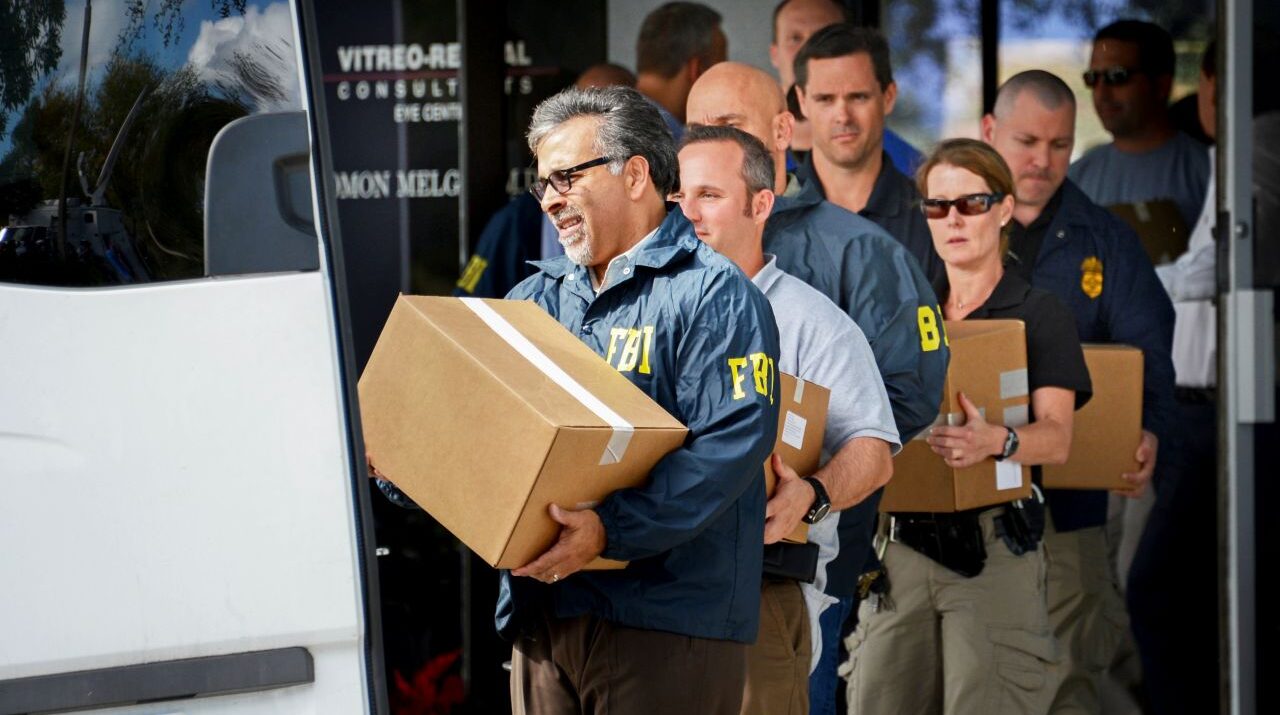
Salomon Melgen was an immigrant who came to the United States and wound up committing fraud, ripping off American taxpayers by $42 million. “Melgen devised a scheme to enrich himself by defrauding Medicare to the tune of tens of millions of dollars,” an FBI official said when Melgen was sentenced to 17 years in jail during President Donald Trump’s first term.
Given the high-profile “war on fraud” in government programs that Trump announced Monday, pointing to scams allegedly carried out by Somali and other immigrants, Melgen might have a prominent place in the president’s rogue’s gallery of fraudsters.
But Melgen is actually prominent in another presidential lineup: the gallery of criminals convicted of fraud who have been granted clemency by Trump.

That second gallery is not small.
Across both of his terms, Trump has granted clemency to more than 70 allies, donors and others convicted in fraud cases. In his second term, Trump’s pace of pardoning those convicted of fraud has increased. In the first year of his second term, he handed out nearly three dozen pardons and commutations for people accused of fraud.
Trump Rewards Friends and Supporters
Trump is unabashed about using the government to reward friends and supporters and punish foes. Still, his handling of fraud cases stands out. Not only are there striking similarities between some of the crimes that were prosecuted and those that were pardoned, but the president also has excused some of those who have stolen the most.
Exhibit A is Philip Esformes. The South Florida owner of nursing and assisted-living facilities was arrested in 2016 in what the FBI called “the largest-ever criminal health care fraud case brought against individuals.” The fraudulent billing scheme stole $1.3 billion from Medicare and Medicaid — the same type of public entitlement programs the president says he is protecting with his crackdown on fraud in Minnesota and elsewhere.
But Trump commuted Esformes’ 20-year sentence in 2020, after a lobbying campaign by well-connected lawyers and public figures. In announcing the commutation, which left in place $5.5 million in restitution, a statement from the White House said Esformes had devoted his time in prison “to prayer and repentance.”
“The war on fraud seems like a war on specific fraud committed by a specific kind of people,” said Elizabeth G. Oyer, who was fired as the Justice Department’s pardon attorney after she said she opposed restoring the gun rights of Mel Gibson, the actor and prominent supporter of Trump.
Trump himself was found liable in a civil fraud case related to his businesses, and he has railed against what he views as politically motivated cases targeting him and his allies. The president, Oyer said, is partial to “fraud committed by people in whom he sees something of himself. He sees a wealthy and successful businessman, and he sees something of himself in him.”
Massive Fraud in Minnesota
In Minnesota, the Justice Department, beginning in the Biden administration, has charged nearly 100 people with defrauding a variety of government programs, including stealing hundreds of millions of dollars intended for a child nutrition program during the coronavirus pandemic, a period marked by a wave of scams involving federal money.
A recent assessment by federal prosecutors suggested that since 2018, more than half the $18 billion in taxpayer funds spent on 14 state programs in Minnesota was most likely stolen. The vast majority of people who have been charged are of Somali descent, which Trump has cited as a justification for his immigration crackdown in Minnesota.
Abigail Jackson, a White House spokesperson, said, “President Trump is launching a historic war on fraud to deliver justice for countless American taxpayers that have been ripped off by fraudsters, illegal aliens and career criminals.” She said that Trump also wants to “pardon victims of political prosecution or overprosecution by a weaponized Biden DOJ” and that “this comparison from The New York Times is a false equivalence.”
Trump Commutes Sentence in $205 Million Medicare Fraud
Still, some of the fraud cases in Minnesota seem strikingly similar to those for which Trump has granted clemency.
Take, for instance, the case of Aimee Bock and Salim Said, who were charged as part of the $250 million theft from the federally funded child nutrition program in Minnesota. Federal prosecutors say they used the money “to fund their lavish lifestyles,” adding that the verdict against them “sends a message to the community that fraud against the government will not be tolerated.”
Compare that with the case of Lawrence Duran, owner of a Florida mental health care company, who pleaded guilty along with co-defendants in 2011 to orchestrating a $205 million Medicare fraud scheme. Prosecutors say Duran “billed Medicare for hundreds of millions of dollars in mental health services that were not necessary or never provided,” adding that the government “will not allow our scarce Medicare dollars to be diverted from the sick and the elderly into the pockets of greedy fraudsters.”
The main difference between the two cases? Trump commuted Duran’s 50-year sentence last year, while Bloch and Said are facing possibly decades in prison.
Fraud charges are brought in a wide swath of financial crime cases, and Trump has used his clemency power in many types of fraud cases and for many reasons.
Some clemency went to people who are politically aligned with the president.
Trump Pardons Those Who Spilled on Hunter Biden
Trump pardoned Devon Archer, whose testimony helped fuel a Republican-led investigation into the Biden family, forgiving Archer’s conviction for defrauding investors and a Native American tribal entity of tens of millions of dollars. And he commuted the lengthy fraud sentence of Jason Galanis, a former business associate of Hunter Biden’s who also assisted in the investigation.
Trump has granted pardons to politicians from both parties whom he views as loyal, including former Rep. George Santos, R-N.Y. and serial fabulist who was convicted of wire fraud and aggravated identity theft.
Other pardons or commutations went to political donors or their relatives, although the White House has denied a connection between clemency and cash.
In March 2025, Trump pardoned Trevor Milton, founder of electric vehicle startup Nikola, who had been sentenced to four years in prison on allegations he had defrauded his investors. Before Trump granted the pardon, his campaign received donations from Milton and his wife totaling more than $1.8 million.
$3.5 Million in Donations Precede Trump Pardons
Julio Herrera Velutini, a Venezuelan Italian banker, and two others, including the former governor of Puerto Rico, were charged in 2022 with wire fraud among other crimes in a bribery scheme. Herrera and the others pleaded guilty to a lesser charge, but Trump pardoned them before sentencing. The clemency grants came after Herrera’s daughter, Isabela Herrera, donated $2.5 million in 2024 — and then another $1 million in 2025 — to MAGA Inc., a super political action committee devoted to Trump and run by his allies.
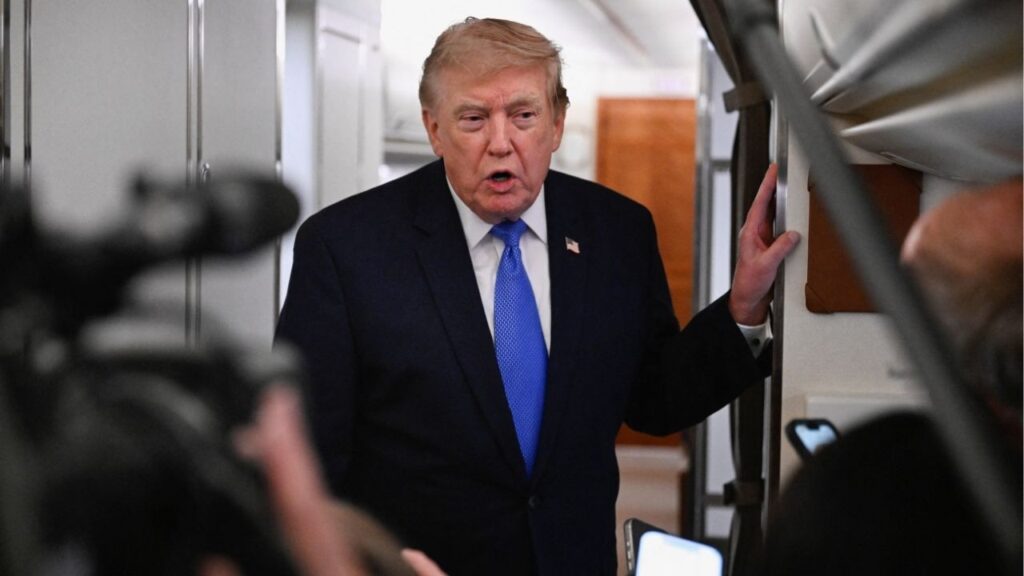
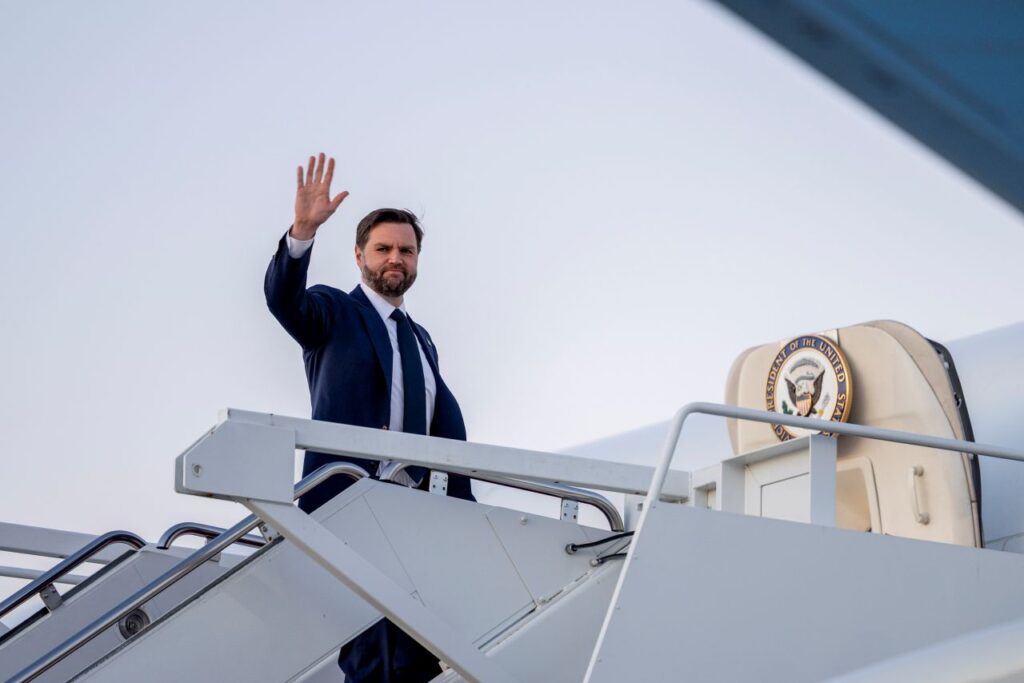
In the Oval Office on Monday, Trump signed an executive order, “Establishing the Task Force to Eliminate Fraud,” put Vice President JD Vance in charge and gave him the nickname “Fraud Czar.”
“As the president said,” Vance explained, “this is a problem that has festered in this country for far too long, and far too few people have actually wanted to do anything about it. That’s what makes this administration different.”
In summarizing the executive order, Will Scharf, White House staff secretary, said the task force could return “potentially billions or tens of billions or even hundreds of billions of dollars to the American taxpayer.”
Left unstated was Trump’s record of pardons and commutations for fraud convictions and the more than $700 million in restitution and fines connected to those cases, according to a review of Justice Department documents.
This article originally appeared in The New York Times.
By Matthew Purdy and Luke Broadwater/Peter W. Cross/Eric Lee
c.2026 The New York Times Company