
|
Getting your Trinity Audio player ready...
|
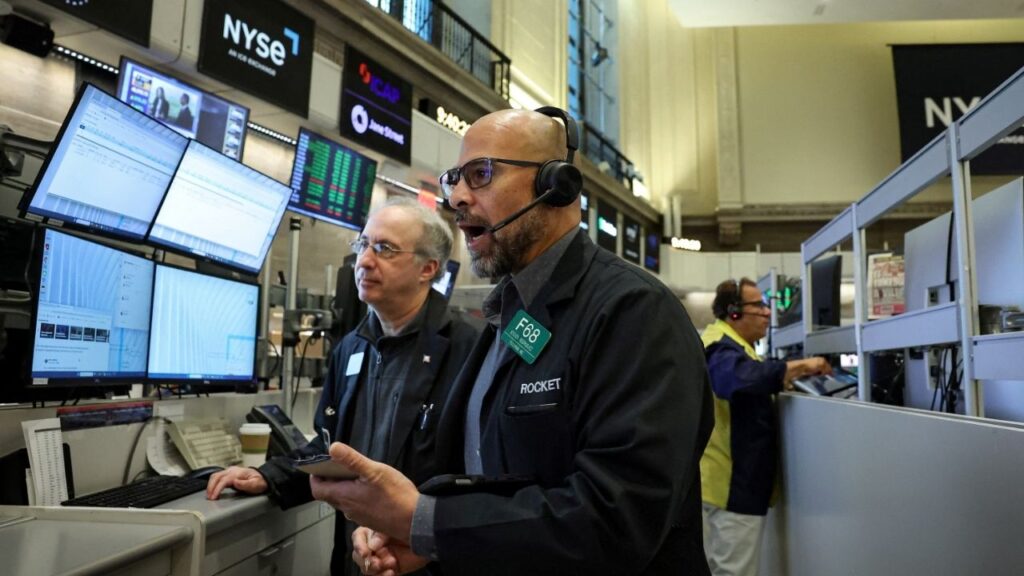
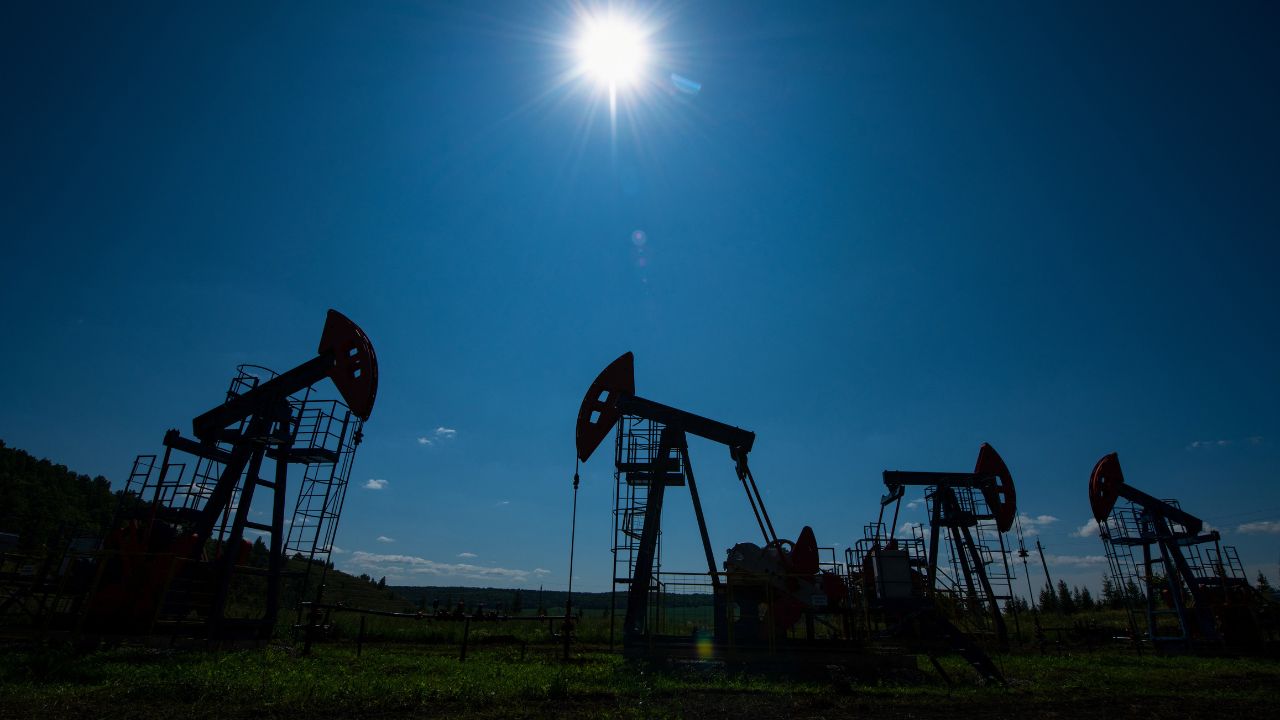
Oil prices jumped on Friday and settled at their highest in nearly four years, as Iraq declared force majeure on all oilfields developed by foreign oil firms and the Iran war escalated with the U.S. set to deploy thousands of additional Marines and sailors to the Middle East.
Brent futures for May settled up $3.54, or 3.26%, to $112.19 a barrel, the highest since July 2022. U.S. West Texas Intermediate crude futures for April, which expired on Friday, settled up $2.18, or 2.27%, at $98.32. The more actively traded second-month U.S. crude futures settled at $98.23, 2.8% higher.
At the session high, Brent crude futures rose more than $4.

The U.S.-Israeli war on Iran has shown no signs of abating with attacks on key energy infrastructure in Iran and strikes by that nation on its neighbors, including Saudi Arabia, Qatar and Kuwait.
“This is the worst-case scenario, not only do we have force majeure in Iraq but also a significant number of troops being amassed by the U.S. in the Persian Gulf, hopes for a quick resolution and return of supply to the global market through the Strait of Hormuz is vanishing before our eyes,” said John Kilduff, partner at Again Capital.
Brent gained about 8.8% for the week, while the front-month WTI settled down around 0.4% compared with last Friday’s close. WTI’s discount to Brent hit its widest in 11 years on Wednesday.
The oil market is starting to build in expectations of longer supply shut-ins following attacks and several weeks – at least – before the crucial Strait of Hormuz is reopened.
“The potential for a quick reversal in energy prices is unlikely because damage has been done to production,” said Ole Hansen, head of commodity strategy at Saxo Bank.
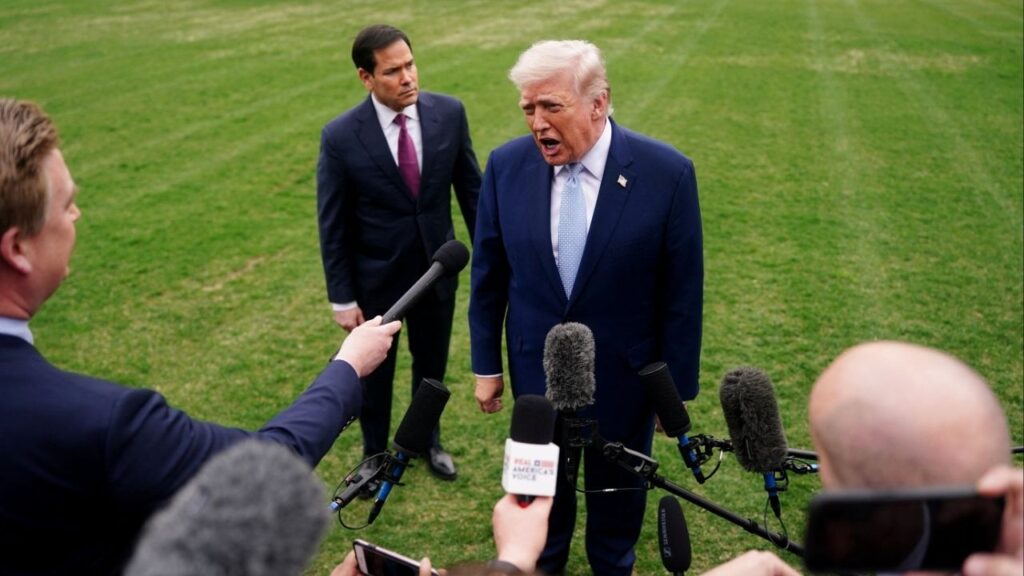
On Friday, U.S. President Donald Trump said there are no leaders left in Iran to talk to about the war as military strikes continue to target Iranian officials. He also reiterated demands that Iran have no nuclear weapons.
Israel and Iran traded fresh attacks on Friday, following a hit on an oil refinery in Kuwait. On Thursday, Trump said Israel would not repeat attacks on energy facilities.
On Friday, U.S. Energy Secretary Chris Wright said removing oil sanctions on stranded waterborne Iranian cargoes would get supplies to Asia in three to four days. On Thursday, U.S. Treasury Secretary Scott Bessent made those plans clear.
Bessent had said a further release of crude from the U.S. Strategic Petroleum Reserve was possible. Wright said reserve releases will take place over the next few months.
All Eyes on Hormuz
Analysts said prices will remain elevated as long as traffic through the Strait of Hormuz is disrupted and likely even after.
Some 20% of the world’s oil and LNG transits through the strait.
“As long as the flow of oil through the Strait of Hormuz remains restricted, the path of least resistance for crude prices remains to the upside,” UBS analyst Giovanni Staunovo said.
International Energy Agency chief Fatih Birol warned in an interview with the Financial Times on Friday that it could take up to six months to restore oil and gas flows from the Middle East Gulf.
The Trump administration is considering plans to occupy or blockade Iran’s Kharg Island to pressure Iran to reopen the Strait of Hormuz, Axios reported on Friday, which could also pressure supply.
On Thursday, Brent surged past $119 a barrel, nearing a March 9 peak, after Iran responded to an Israeli attack on a major gas field by knocking out 17% of Qatar’s LNG capacity. The damage will take up to five years to repair.
Elsewhere, Russia attacked Ukrainian oil and gas facilities in Poltava and Sumy regions overnight, Ukraine’s state oil and gas major Naftogaz said on Friday.
U.S. energy firms increased the oil rig count by two to 414 this week, the highest since mid-December, energy services firm Baker Hughes said in its closely followed report on Friday.
—
(Reporting by Georgina McCartney in Houston, Robert Harvey and Anna Hirtenstein in London. Additional reporting by Jeslyn Lerh in Singapore and Helen Clark in Perth; Editing by Sonali Paul, Thomas Derpinghaus, Louise Heavens, David Gaffen, Nia Williams and David Gregorio)