




|
Getting your Trinity Audio player ready...
|
On Thursday, Fresno City Councilmembers will decide whether to pursue rules that would ban sex offenders from participating in person at city council meetings.
The two-part direction would instruct the city attorney to have Fresno City Hall designated as a place “often frequented by minors,” thereby making it illegal for certain sex offenders to attend meetings.
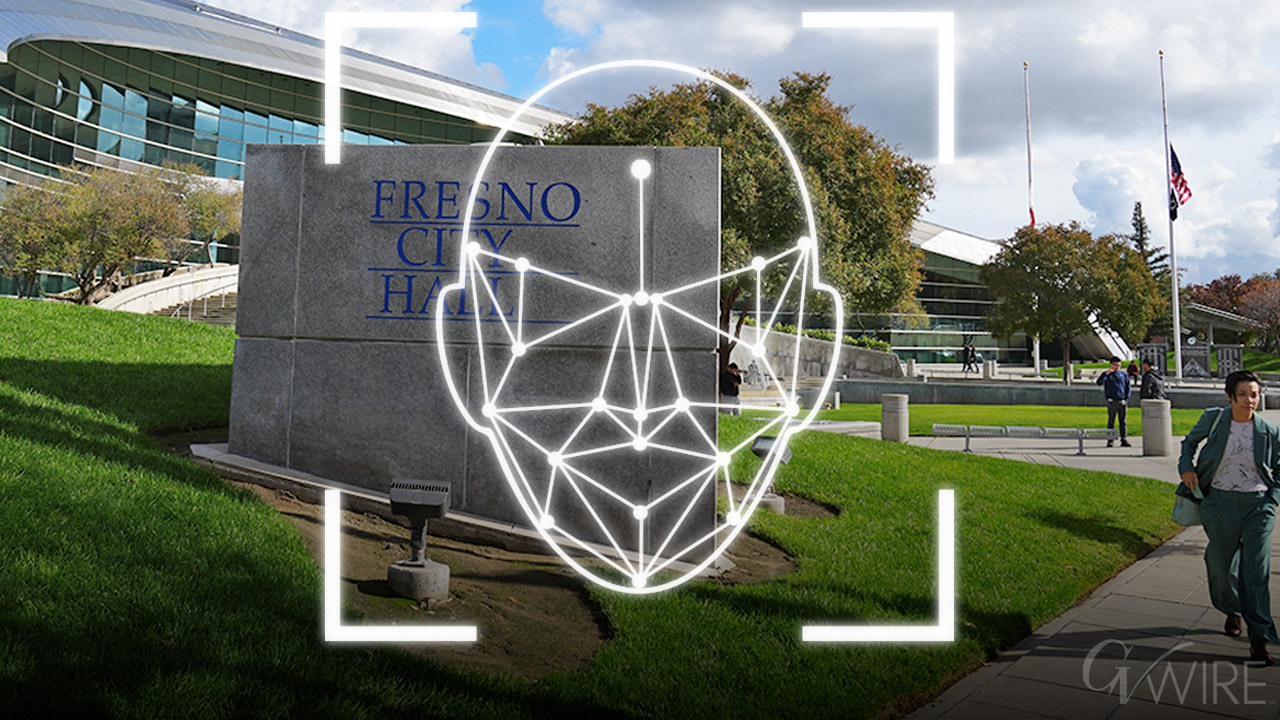
To enforce the rule, the resolution would also direct the city attorney to determine the legality and cost of putting in facial recognition technology to ensure meeting attendees aren’t on the sex offender registry.

Fresno City Councilmember Nick Richardson said the facial recognition technology gives teeth to the restrictions.
“Everyone has a right to participate in a public meeting, yes, but if you are a convicted sex offender, you do not have the right to visit places that are designated ‘places frequented by children’ by law,” Richardson said.
Resolution a ‘Compromise’ Between Councilmembers: Richardson
Richardson said sex offenders would still be able to participate in the public process through written comments and remote attendance, which would become legal after July 1 when new Brown Act rules go into effect. The rules would not stop sex offenders from going to city hall for other city business.
He said the resolution would be a compromise between city councilmembers who during the Feb. 26 meeting had no interest in restrictions and others who wanted strict enforcement.
Fresno City Council President Mike Karbassi told GV Wire in a statement he would consider the rules.
“I am open to the discussion and will give it fair consideration,” Karbassi said. “But I suspect it will be a controversial proposal, despite its good intentions.”
Other councilmembers did not respond to requests for comment.
For people who object to the facial recognition technology, Richardson said video cameras already record visitors and all submitted comments are on the record.
Requests sent to First Amendment advocacy organizations were not immediately returned.