
|
Getting your Trinity Audio player ready...
|
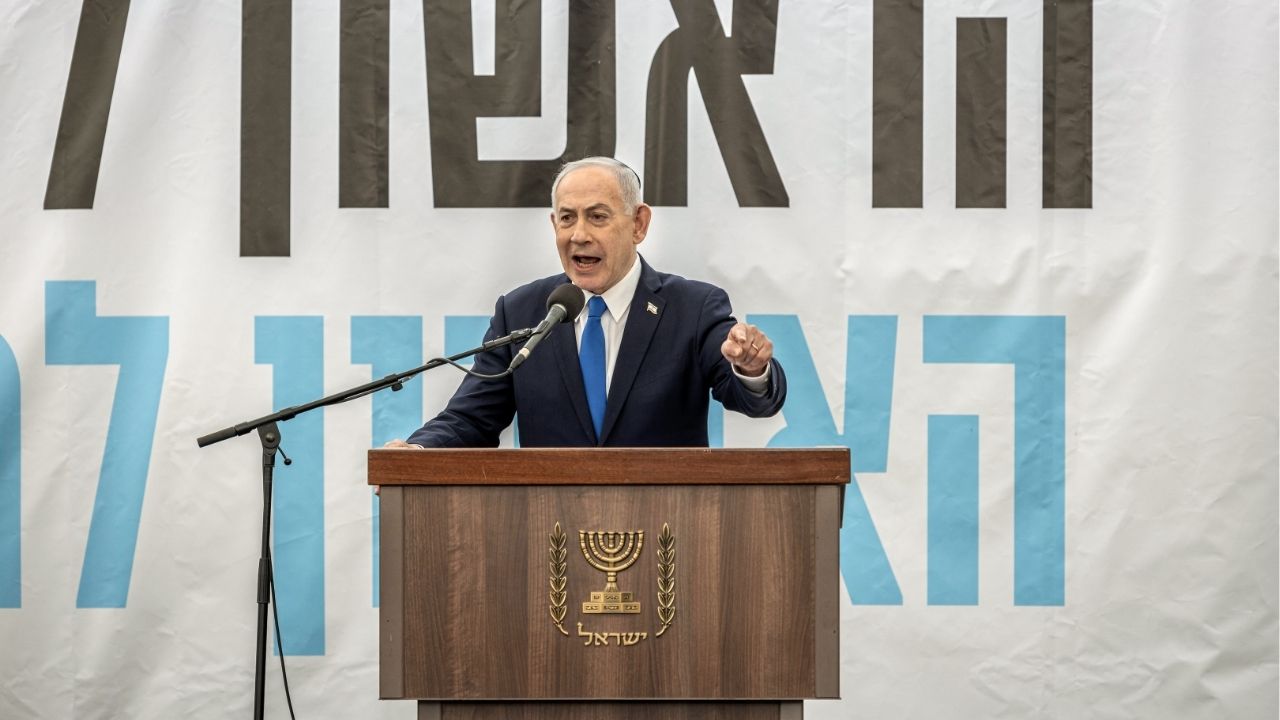
JERUSALEM — A key Israeli judicial office has declined to recommend that Prime Minister Benjamin Netanyahu be granted a pardon in his long-running criminal trial on corruption charges, rebuffing Netanyahu’s entreaties — and heavy pressure from President Donald Trump — to set aside the charges.
As long as Netanyahu maintained his innocence, the office wrote in a much-anticipated opinion, it would be inappropriate to rule on his request for a pardon. There would first need to be an admission of guilt, his resignation or a guilty verdict, the office said.
Netanyahu was indicted in 2019 on charges of bribery, fraud and breach of trust, accused of taking bribes from wealthy media executives and offering to trade official actions for favorable coverage. He has accused police and prosecutors of conspiring to use the judicial system to drive him from power.

Last year, though, he began to lobby Israel’s president, Isaac Herzog, for a pardon, contending that, much as he wanted to clear his name by pursuing an acquittal in court, it was better for Israel that the trial be short-circuited so he could tend to the weighty matters of state undistracted.
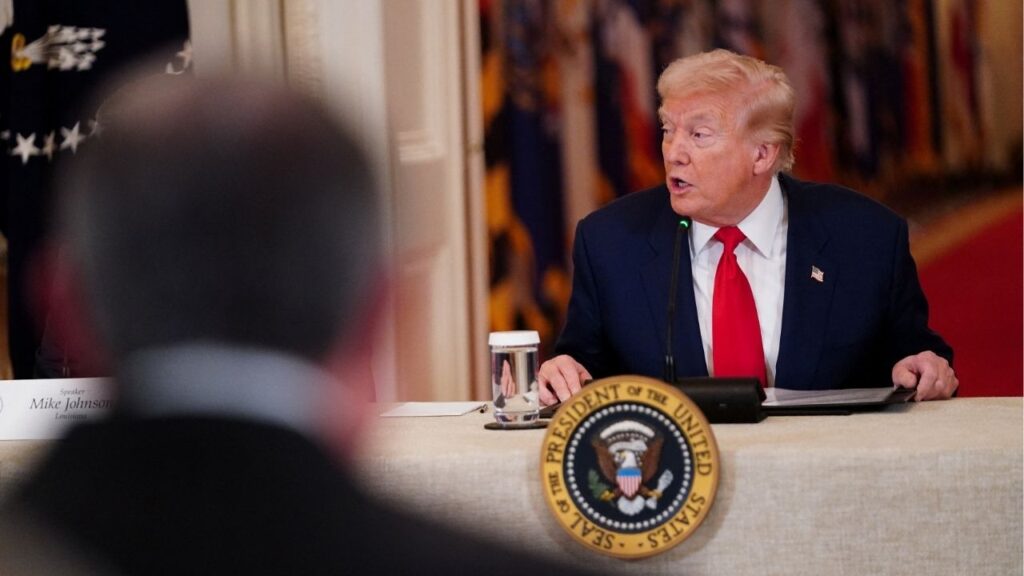
Herzog has insisted on waiting for the Justice Ministry to weigh the pardon request and issue a formal recommendation. That has prompted Trump to denounce him repeatedly, most recently in an interview with Axios on Wednesday in which Trump called the Israeli president “full of crap” and “a weak and pathetic guy.”
Herzog has responded by saying he would not be influenced by pressure of any kind, from inside or outside Israel. Nor is he required to follow the recommendation of the Justice Ministry.
In a lengthy opinion dated Monday, which was posted on social media Thursday afternoon by a government minister, the Justice Ministry’s pardons department wrote that Netanyahu’s pardon request was unprecedented and lacked a basis in Israeli law.
Only once before have pardons been issued before a criminal conviction. In that case, the recipients — security officers accused in 1984 of murdering two Palestinians who were captured after they hijacked a bus — had already confessed their guilt and resigned from their positions, the department wrote. “We are in a legal field that has not yet been plowed,” it wrote.
Netanyahu’s office and his lawyer did not immediately respond to requests for comment.
Netanyahu also has other options than seeking a pardon, the pardons department wrote, including seeking a stay of the criminal trial from Israel’s attorney general.
Pressing Herzog for a pardon now also raises separation-of-powers concerns, the department wrote, by effectively wresting the case away from the judiciary in midstream. In the 1984 case, pardons were granted — by then-President Chaim Herzog, the current president’s father — before a criminal investigation had begun. By contrast, Netanyahu’s trial has been underway for years, and dozens of witnesses have already testified.
A pardon could also undercut public trust in equality under the law, the department wrote, by encouraging defendants with political power to drag out legal proceedings until the “political conditions are ripe” to seek a pardon. It could also create a “chilling effect” in the fight against public corruption, according to the opinion.
The pardons department acknowledged Trump’s pressure campaign on Herzog, taking note of Trump’s demand that the legal process “not be allowed to divert Mr. Netanyahu’s attention from the existential challenges facing the country, especially in the face of tension with the Iranian regime.” But the department essentially set this fact aside, saying that it lacked “the tools to assess and balance these considerations with others.”
Summing up, the pardons department wrote that it could not conclude that the pardoning authority of Israel’s presidency “applies in the present case.” It added: “Likewise, we cannot recommend that the president of the state take the unusual and far-reaching step of exercising the power of pardon by terminating the legal proceedings against Mr. Netanyahu.”
Herzog’s office is still awaiting a recommendation on the pardon application from the full Justice Ministry itself, which is widely expected to support a pardon. The head of the ministry, Yariv Levin, a close ally of Netanyahu’s, has recused himself, but has left the recommendation in the hands of the heritage minister, Amichay Eliyahu, another far-right member of Netanyahu’s coalition.
It was Eliyahu who posted the pardons department’s opinion Thursday, saying he was doing so in the interest of transparency.
—
This article originally appeared in The New York Times.
By David M. Halbfinger/Avishag Shaar-Yashuv
c. 2026 The New York Times Company