


|
Getting your Trinity Audio player ready...
|
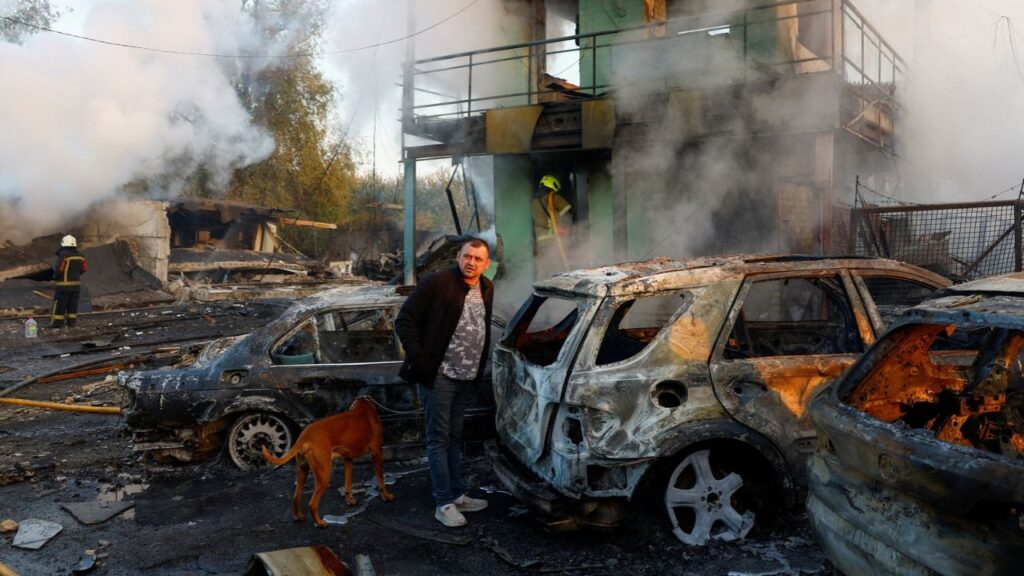
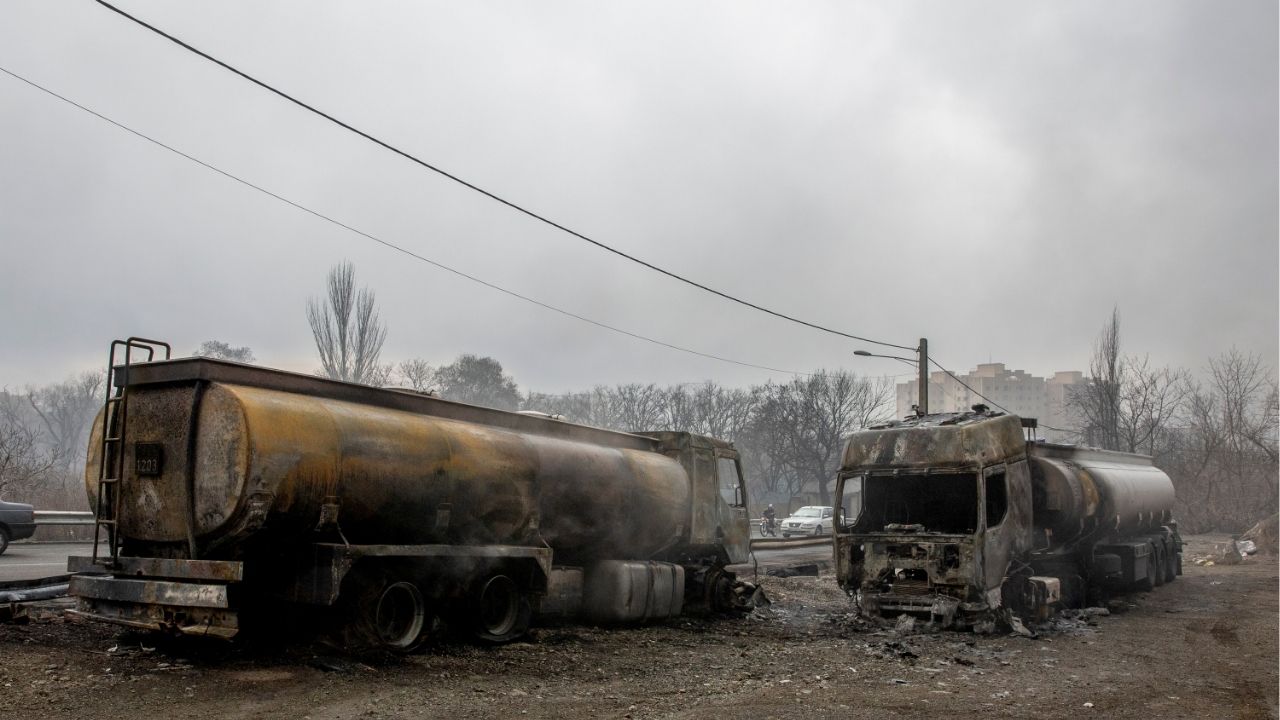
The Israeli military struck several Iranian fuel sites, including oil storage depots, this weekend, which appeared to be the first attacks on the country’s energy infrastructure since the U.S.-Israeli war on Iran began.
Iran has significant reserves of oil and natural gas, and its energy industry is a crucial part of its economy, serving as both a critical export and a domestic energy supply. Continued attacks could make the Iranian government and the country as a whole more vulnerable.
“There is no doubt that attacks on energy infrastructure would push Iran into a serious crisis,” said Dalga Khatinoglu, an Iranian energy expert with Iran International, a London-based Persian and English-language news outlet.

In 2024, Iran generated $78 billion by exporting energy, including oil products and electricity, according to estimates from FGE, an energy consulting firm. China, which is closely aligned with Iran, buys nearly all of Iran’s oil exports.
Loss of even part of that revenue would be a blow to Iran’s economy, which was already in a deepening crisis before the war began. Combined with a plunging currency, the economic instability helped set off widespread protests that snowballed into broader challenges to the government and were violently suppressed.
Oil Depots Targeted
Iran’s petroleum ministry said in a statement that multiple oil storage depots in the provinces of Tehran and Alborz had been targeted over the weekend.
The Israeli military said it had targeted the facilities because they were being used by Iran’s armed forces and called the attacks a “significant strike” aimed at dismantling the military infrastructure of the government.
Israel has long targeted Iran’s energy infrastructure. In 2024, Israel blew up two Iranian gas pipelines, affecting supplies that cover a majority of the country’s energy use. And during last year’s 12-day war, which included U.S. strikes, Israeli strikes damaged oil storage sites, refineries and power stations.
Following the war, Iran experienced a summer of daily power and water cuts, forcing schools, universities and government offices to close for extra days each week to reduce energy and water use.
The strikes further exacerbated existing energy shortages, caused in part by dilapidated infrastructure, which the Iranian government blames on Western sanctions. Lack of capital and expertise has also limited development of oil and natural gas fields.
Widespread attacks on Iran’s energy infrastructure could create issues that could take decades to resolve, Khatinoglu said.
“Even if the regime were eventually overthrown, no future government would be able to maintain stability or meet the country’s basic needs with a devastated energy infrastructure,” he said. “In other words, destroying Iran’s oil and gas facilities would effectively block the path toward a democratic transition, because any future state would struggle simply to keep the country functioning.”
—
This article originally appeared in The New York Times.
By Raja Abdulrahim/Arash Khamooshi
c. 2026 The New York Times Company