
|
Getting your Trinity Audio player ready...
|
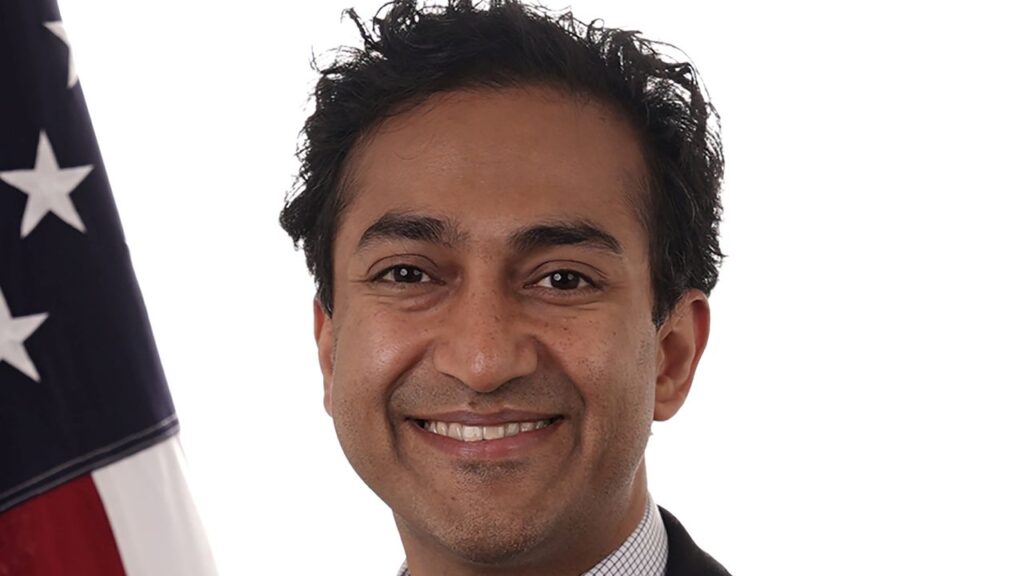
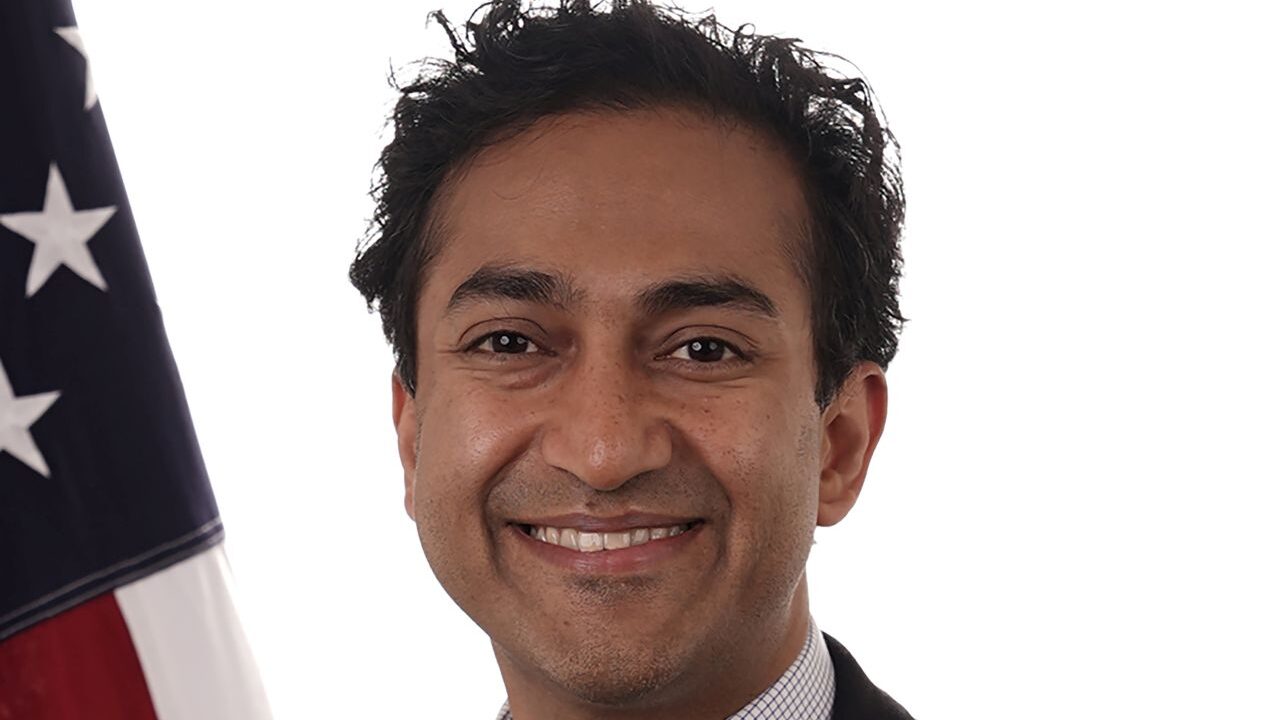
Dr. Vinay Prasad, a polarizing figure at the Food and Drug Administration who oversaw vaccines, is leaving the agency at the end of April, according to a Health and Human Services spokesperson.
As the agency’s chief science and medical officer, Prasad had broad power over vaccines. He made several controversial decisions, including overruling career scientists on some vaccine approvals and cracking down on a biotech company tied to patient harm.
Last summer, he was dismissed after right-wing influencer Laura Loomer led an attack against him. At the insistence of Dr. Marty Makary, the agency’s commissioner, and Health Secretary Robert F. Kennedy Jr., he was soon brought back.

The Wall Street Journal first reported his departure.
In recent weeks, Prasad drew criticism for rejecting medications intended to treat rare diseases. He also made headlines when he refused to accept Moderna’s application for a new mRNA flu vaccine, a decision Makary soon reversed.
Before joining the agency, Prasad was an academic at the University of California, San Francisco. He was known for criticizing the FDA, saying its drug review officials had a low bar for approval.
He has also been described as a COVID contrarian, after complaining on podcasts and on his YouTube channel about public health measures that he deemed ill-informed by medical evidence.
According to a senior administration official, Prasad was on leave for a year from his job in California and had planned to return.
This article originally appeared in The New York Times.
c.2026 The New York Times Company