
|
Getting your Trinity Audio player ready...
|
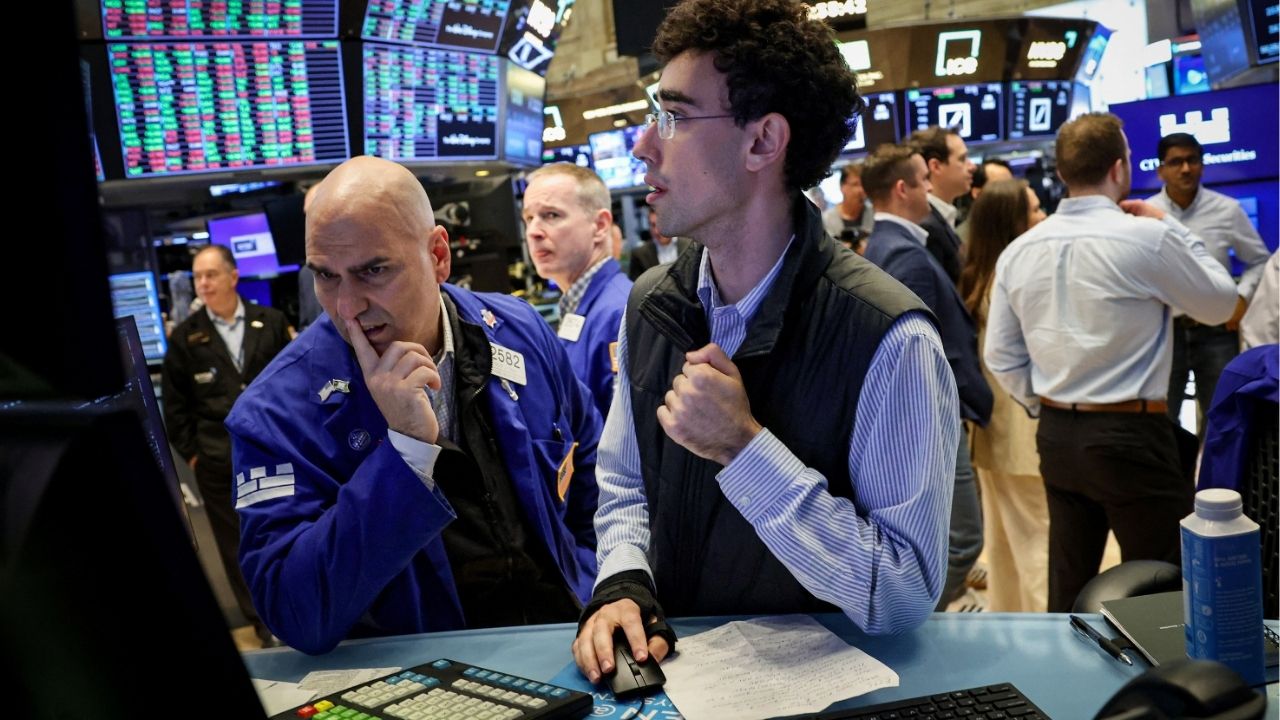
U.S. stocks climbed further on Wednesday afternoon, after a news report that Iran had signaled openness to talks and a pledge by President Donald Trump to steady oil markets calmed investor anxiety about the Mideast clash.
Investors flocked again to tech shares, lifting the Nasdaq 1.52% and keeping the tech‑heavy index in positive territory since the U.S.-Israeli strike on Iran that ignited the conflict in the Middle East. The S&P 500 remained less than 2% from its all-time closing high, in January.
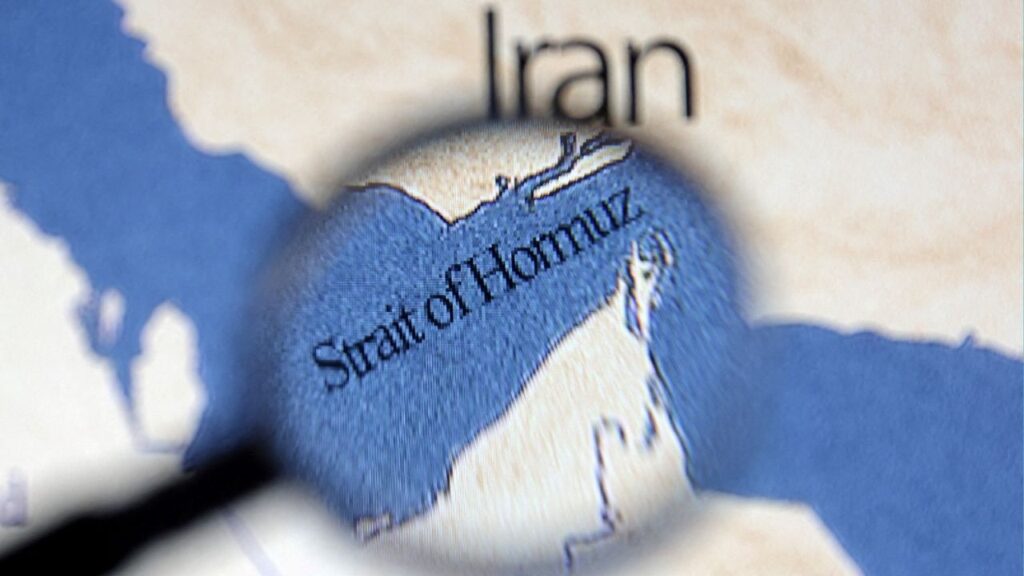
A New York Times report said Iranian intelligence operatives indirectly reached out to the CIA a day after the attacks, but U.S. officials remain skeptical that either the Trump administration or Iran is prepared for a near-term de-escalation. Trump’s announcements of a U.S. naval escort for oil tankers through the Strait of Hormuz and political risk insurance also brought some relief.

Investors scooped up tech-related stocks that sold off heavily in February, with Nvidia up 2.3%, Amazon.com adding 3.7% and Applied Digital jumping 9.3%.
The prospect of the war spurring additional inflation is one of the main reasons for market volatility on the horizon, said Richard Bernstein, chief executive officer of Richard Bernstein Advisors.
“If people think the war will be short-lived or ‘not an issue’ for the U.S. economy, then the stock market will likely rally,” he said. “The opposite seems true too. Long-lived and impacting the U.S. economy could mean more volatility.”
At 2:24 p.m. EST, the Dow Jones Industrial Average rose 0.58% to 48,782.23 points, the S&P 500 gained 0.96% to 6,881.87 and the Nasdaq Composite gained 1.61% to 22,879.27 points.
“Until people think what’s happening in the Middle East will cause a recession, they’re giving stocks the benefit of the doubt,” said Chris Zaccarelli, chief investment officer for Northlight Asset Management.
Oil and gas producers declined, including ConocoPhillips which was down 2.8%. The energy sector led declines on the S&P 500 with a 1.4% fall.
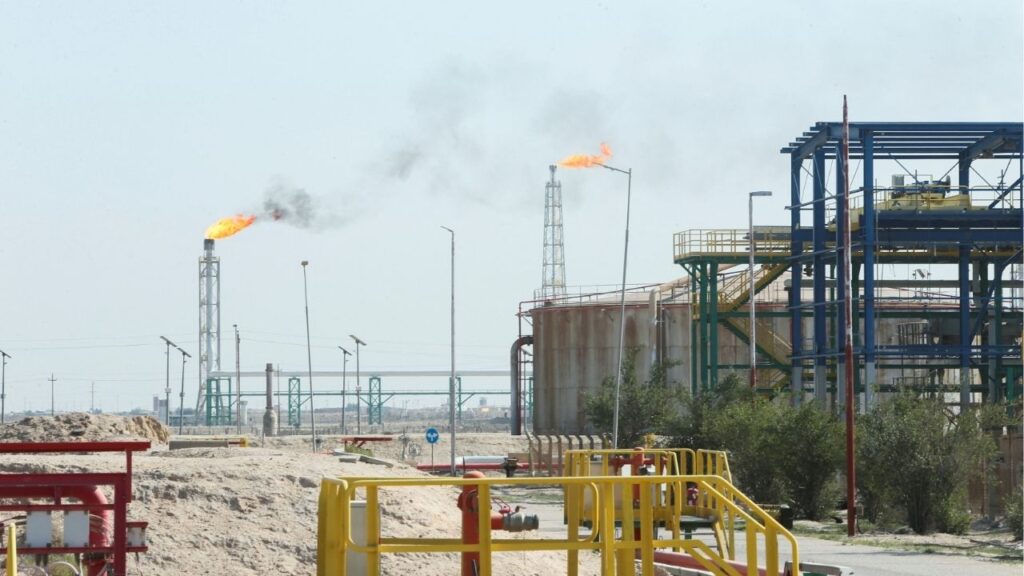
Several Middle Eastern countries have temporarily halted oil and gas production and the U.S. was looking to expand its campaign inside Iran.
The U.S. oil-price benchmark was last at $74, while Brent prices stood at $81.
The CBOE volatility index, also known as Wall Street’s fear gauge, dropped 12% to 20.56, while the rate-sensitive Russell 2000 index added 1.2%.
Policymakers have offered mixed views on the impact the conflict will have on the Federal Reserve’s monetary policy outlook, while Goldman Sachs CEO David Solomon said markets may take a while to fully digest the repercussions.
Investors have pushed back expectations for a 25-basis-point interest rate cut to September from July.
Drugmaker Moderna added 15.8% after agreeing to pay up to $2.25 billion to settle a long-running legal fight over a COVID-19 vaccine patent.
Meanwhile, a private survey showed private payrolls increased more than expected in February, while a separate report pointed to strong services activity.
—
(Reporting by Sabrina Valle in New York; Additional reporting by Johann M Cherian, Ragini Mathur and Pranav Kashyap in Bengaluru; Editing by Maju Samuel and Matthew Lewis)