

|
Getting your Trinity Audio player ready...
|
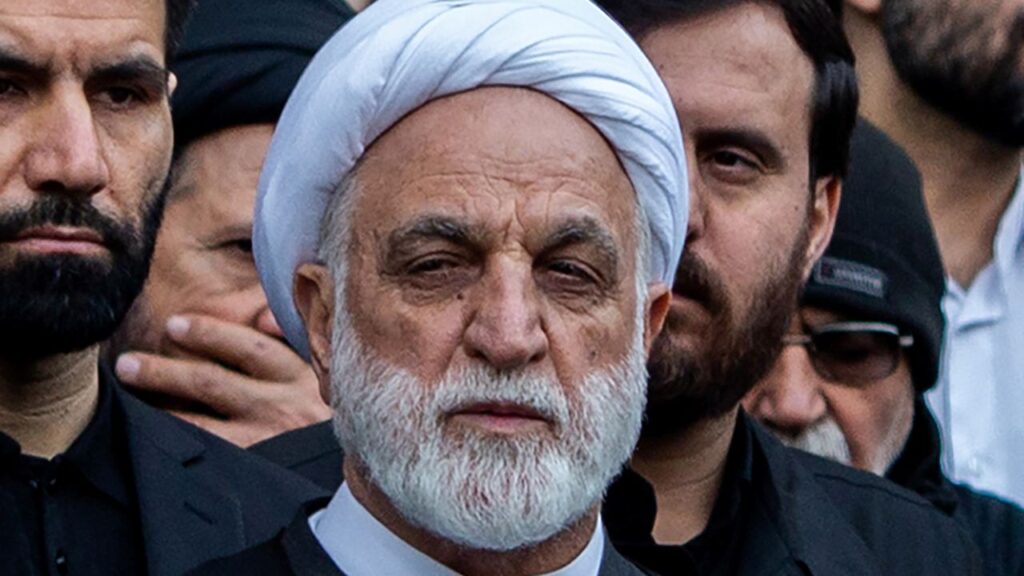
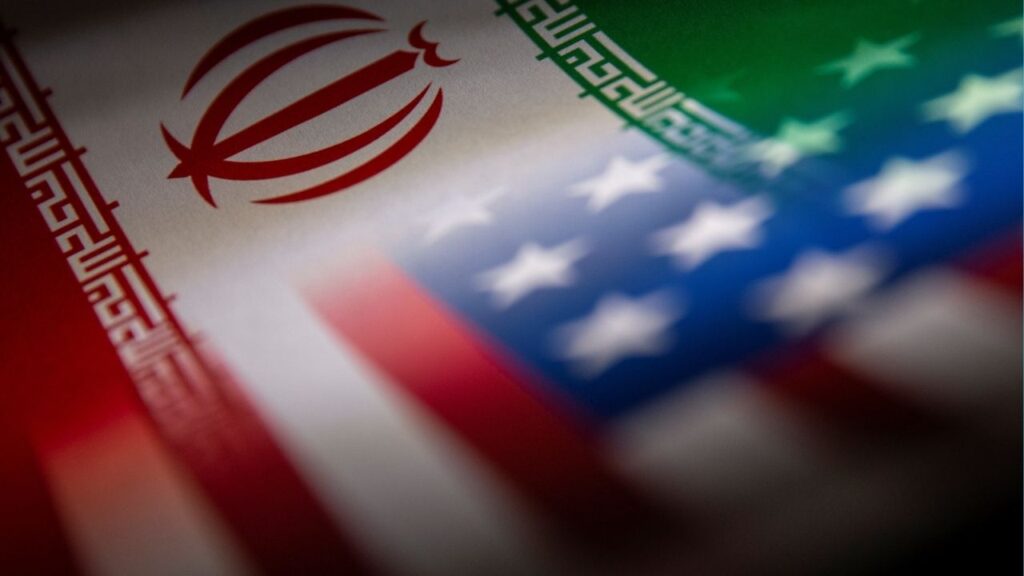
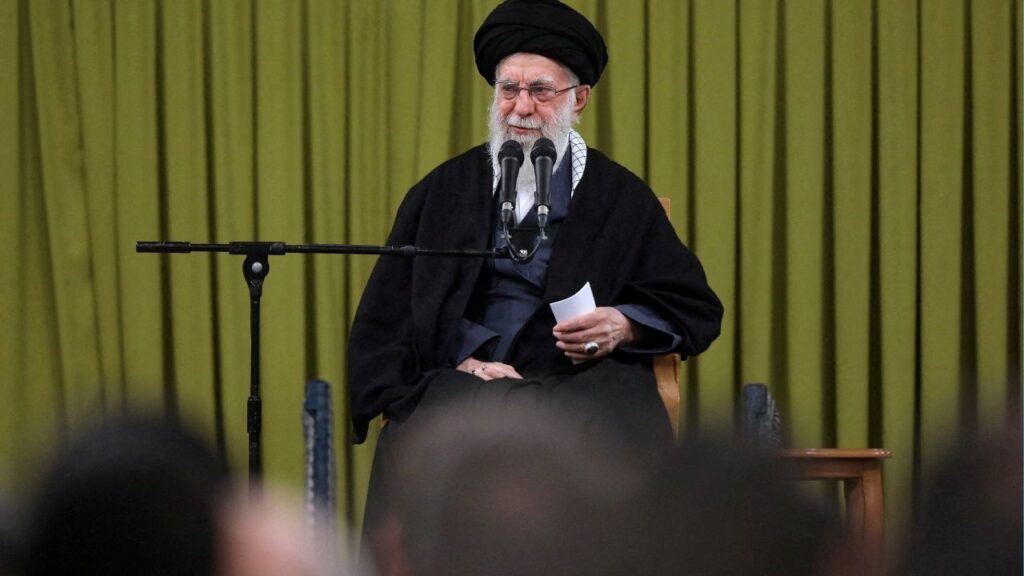
The Iranian government said Sunday that U.S.-Israeli attacks on Iran had killed Ayatollah Ali Khamenei, the nation’s supreme leader for decades and an implacable enemy of Israel and the United States.
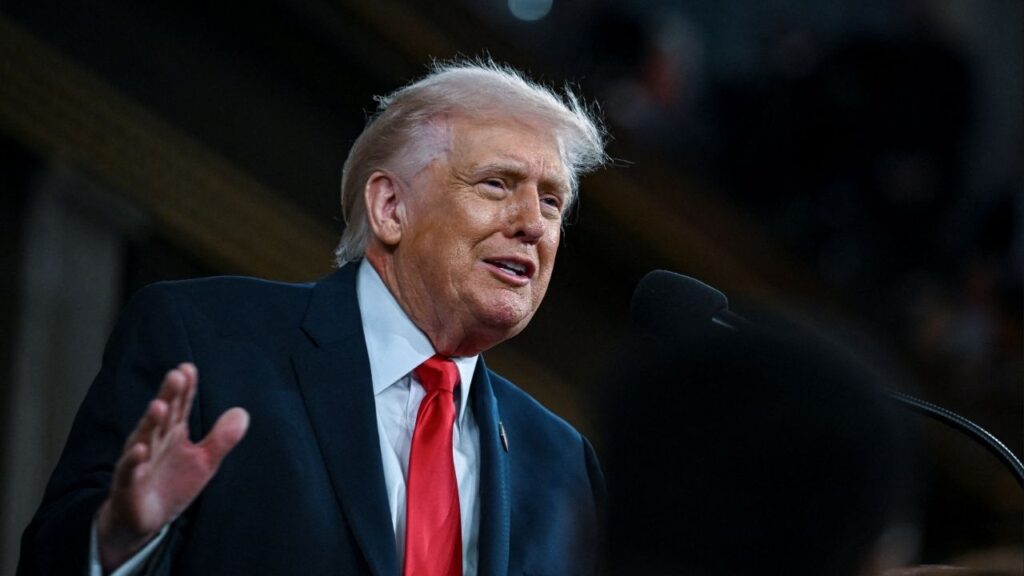
President Donald Trump had announced the supreme leader’s death hours earlier, and called on Iranians to take control of the government. Iranian officials initially dismissed claims of Khamenei’s death as bravado or psychological warfare. But on Sunday morning in Tehran, as the war entered a second day with another wave of attacks on the country, the Iranian state news agency confirmed his death. He died in his office at home in an attack early Saturday, according to Tasnim, Iran’s semi official state media.
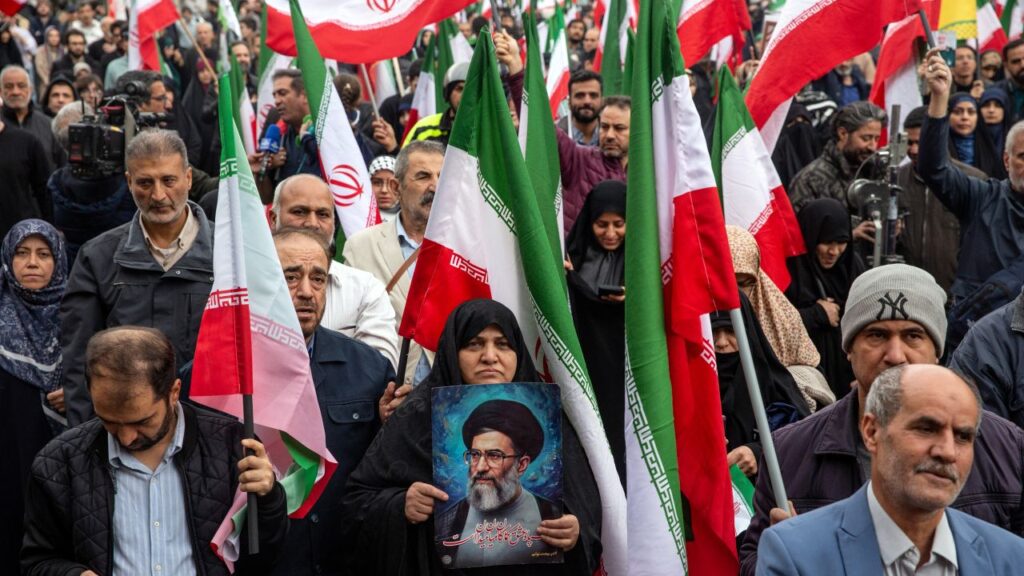
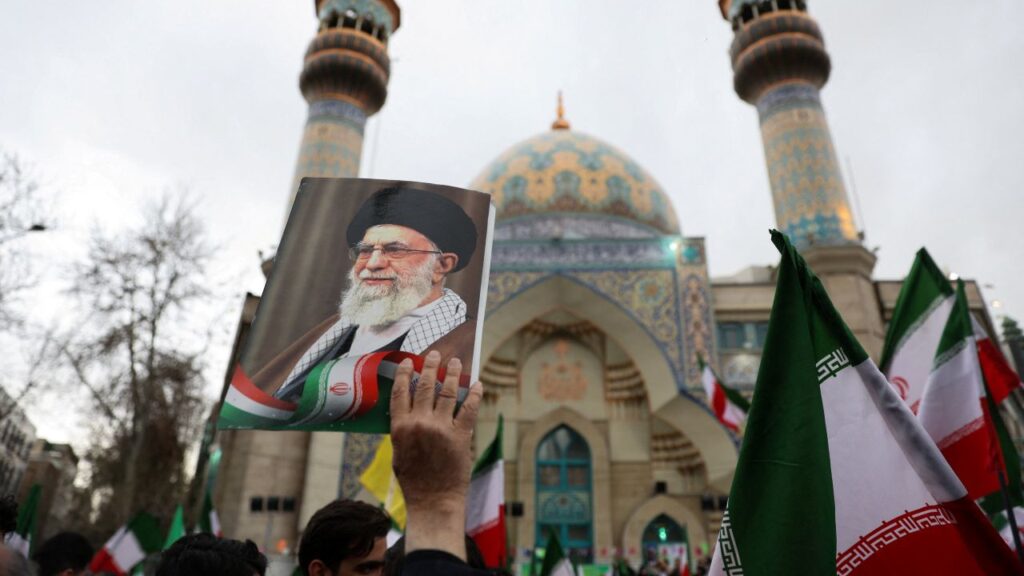
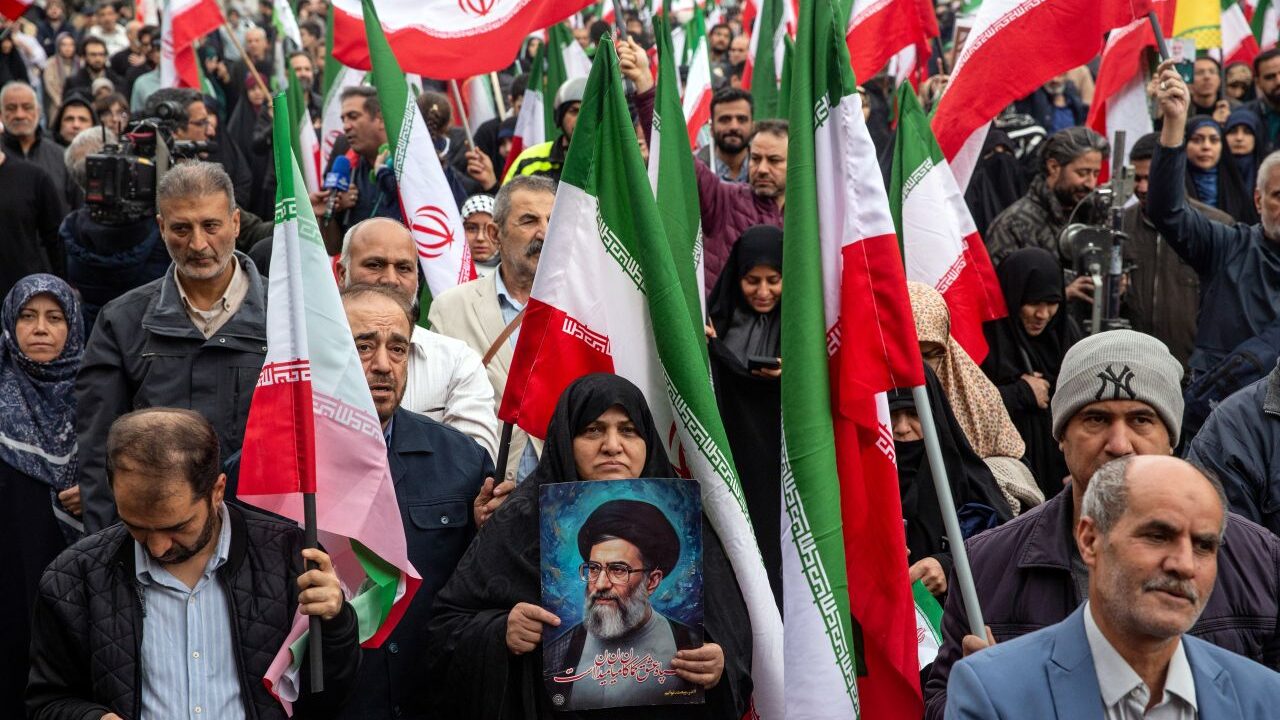
In the hours before the announcement, large crowds of Iranians poured into the streets of Tehran and other cities across Iran to celebrate Trump’s announcement. Others mourned reports of his death online.

It was not immediately clear whether it was U.S. or Israeli strikes that killed the supreme leader, or who was now in charge in Iran. The Revolutionary Guard — a powerful institution that answers to the supreme leader — vowed to punish U.S. and Israeli aggression.
Goal of US-Israeli Campaign Is Regime Change
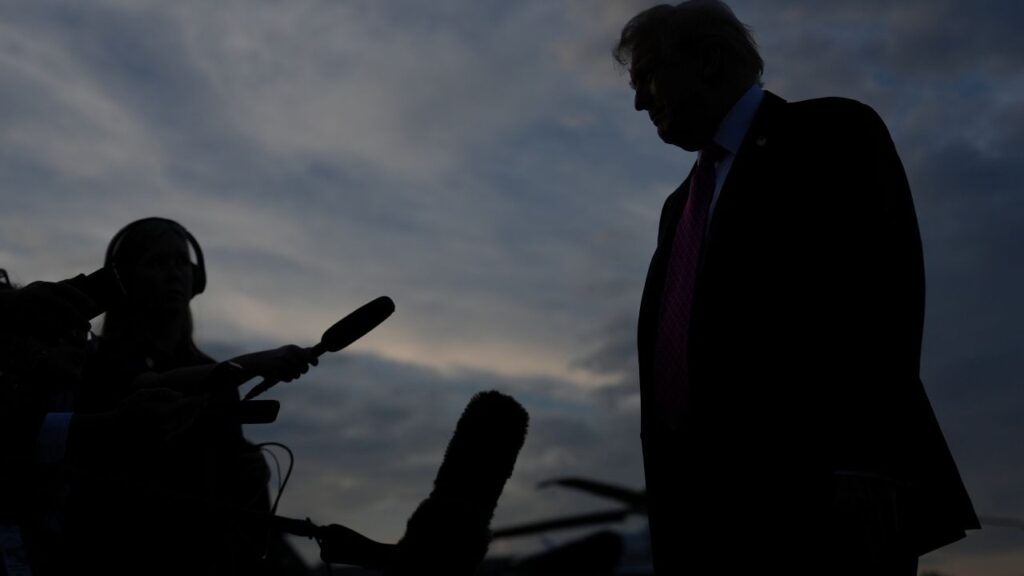
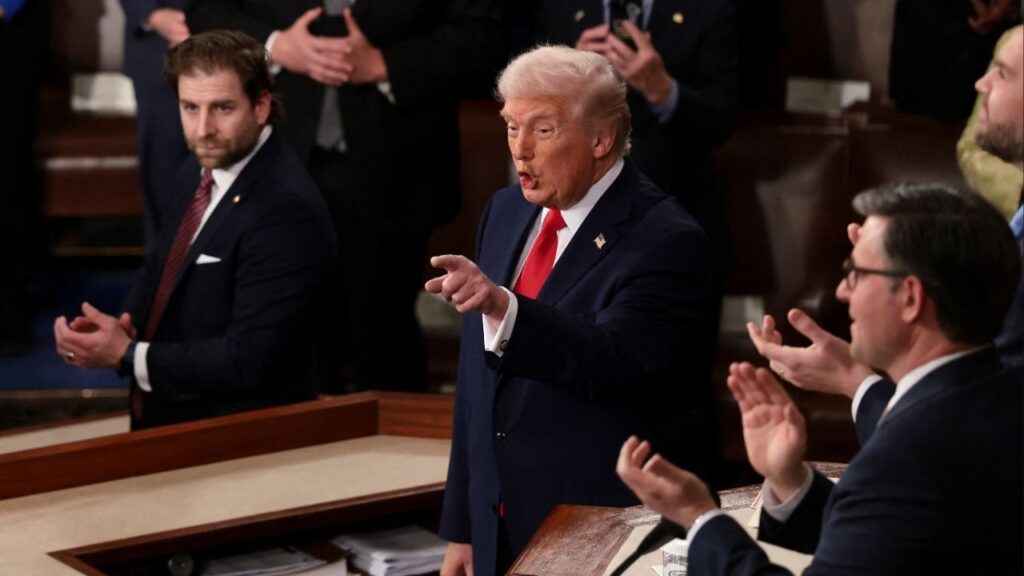
Trump and Israeli Prime Minister Benjamin Netanyahu had both made clear that regime change was a goal of the huge waves of strikes on Iran that began early Saturday morning. “When we are finished, take over your government,” Trump told the Iranian people in a video statement. “It will be yours to take.”
It is not clear whether removing Khamenei, who was 86, will result in significant changes to the system he led. Many people in authority owed their positions to him, and the Revolutionary Guard recently demonstrated its grip on the country by brutally crushing mass protests, killing thousands of people.
His death is a seismic political shift that raises the prospect of chaos and a power vacuum in an already turbulent region.
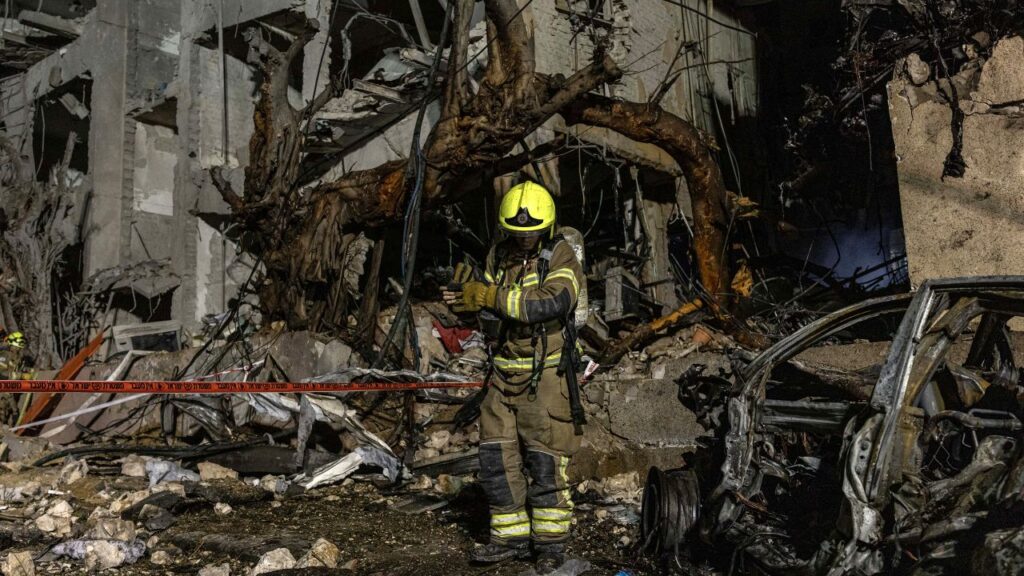
In retaliation for the attacks, Iran fired waves of ballistic missiles at Israel, where the authorities reported one death. The United Arab Emirates, Qatar, Bahrain and Kuwait — all of which host U.S. military bases — said they had come under attack, as did Jordan. Falling debris from an Iranian ballistic missile attack killed at least one person in the UAE, according to its government.
The fighting effectively shut down shipping through the Strait of Hormuz, the conduit for one-fifth of the world’s oil supply, according to shipping companies and Iran’s semiofficial Tasnim news agency. Major airports, including Dubai International in the UAE, and a wide corridor of airspace were closed.
Experts Warn Of Possible Protracted Conflict
Analysts have warned that the fighting could potentially draw the United States into a protracted conflict with no clear exit. Iran’s leadership oversees extensive military abilities and a network of regional proxy forces that could help sustain a resistance.
Many world leaders urged restraint after the strike Saturday, although Canada and Australia backed the U.S. action.
But the bombing continued early Sunday, according to Iranians reporting new rounds of explosions on social media. Trump warned that U.S. strikes “will continue, uninterrupted throughout the week or, as long as necessary to achieve our objective of PEACE THROUGHOUT THE MIDDLE EAST AND, INDEED, THE WORLD!”
The effects of the attacks on Iranian civilians were not immediately clear. HRANA, a Washington-based Iranian rights group, said late Saturday that at least 133 civilians had been killed and that 200 others were injured — figures that could not be independently confirmed. The Iranian state media reported dozens of children were killed at a girl’s elementary school near a naval base. The U.S. and Israeli militaries did not immediately comment.
Here’s what else to know:
— Celebrations in Tehran: As residents of Iran’s capital celebrated the supreme leader’s death, fireworks lit up the sky and loud Persian dance music filled the streets. But the threat of more attacks by U.S. and Israeli forces cast a pall over the festivities.
— Iranian succession: The power to choose a new supreme leader rests with the Assembly of Experts, a conservative body of clerics who, given Ayatollah Khamenei’s age and infirmities, have probably given ample thought to potential successors.
— Shipping impacts: The closure of the Strait of Hormuz will almost certainly send oil prices upward. The U.S. Maritime Administration advised vessels to avoid the strait, and Iran’s Revolutionary Guard said that the passage was unsafe for commercial traffic, Tasnim reported.
— The crisis: Trump vowed in early January to aid anti-government demonstrators there. The Iranian government quelled those protests in a bloody crackdown that killed thousands, according to rights groups. Trump has more recently focused on Iran’s nuclear program. U.S. and Iranian officials held a last-ditch round of mediated talks Thursday over the program that ended without a breakthrough.
— Last year’s strikes: The United States bombed Iran’s nuclear facilities last June during a 12-day-war between Israel and Iran. While Trump said repeatedly that the Iranian nuclear program had been “obliterated” by those strikes, it later emerged that the effort had been degraded, not destroyed.
This article originally appeared in The New York Times.
By Farnaz Fassihi, Ronen Bergman, Zolan Kanno-Youngs and Richard Pérez-Peña/Arash Khamooshi
c.2026 The New York Times Company