

|
Getting your Trinity Audio player ready...
|
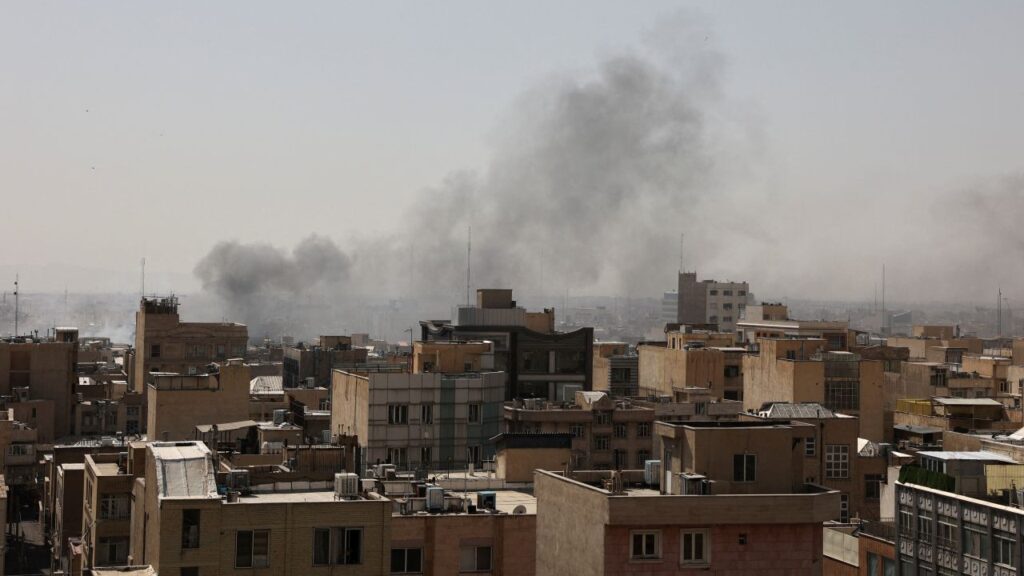
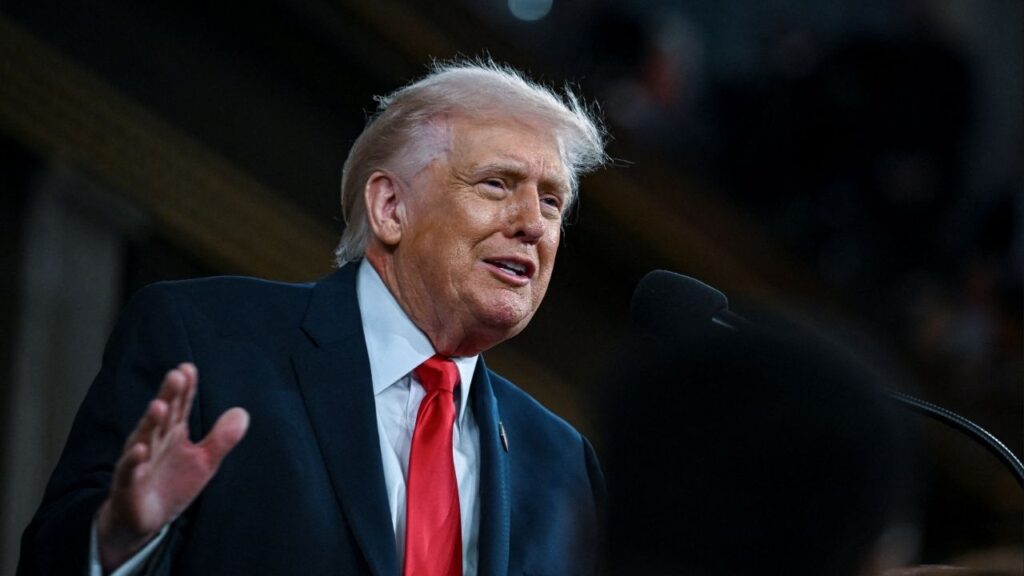
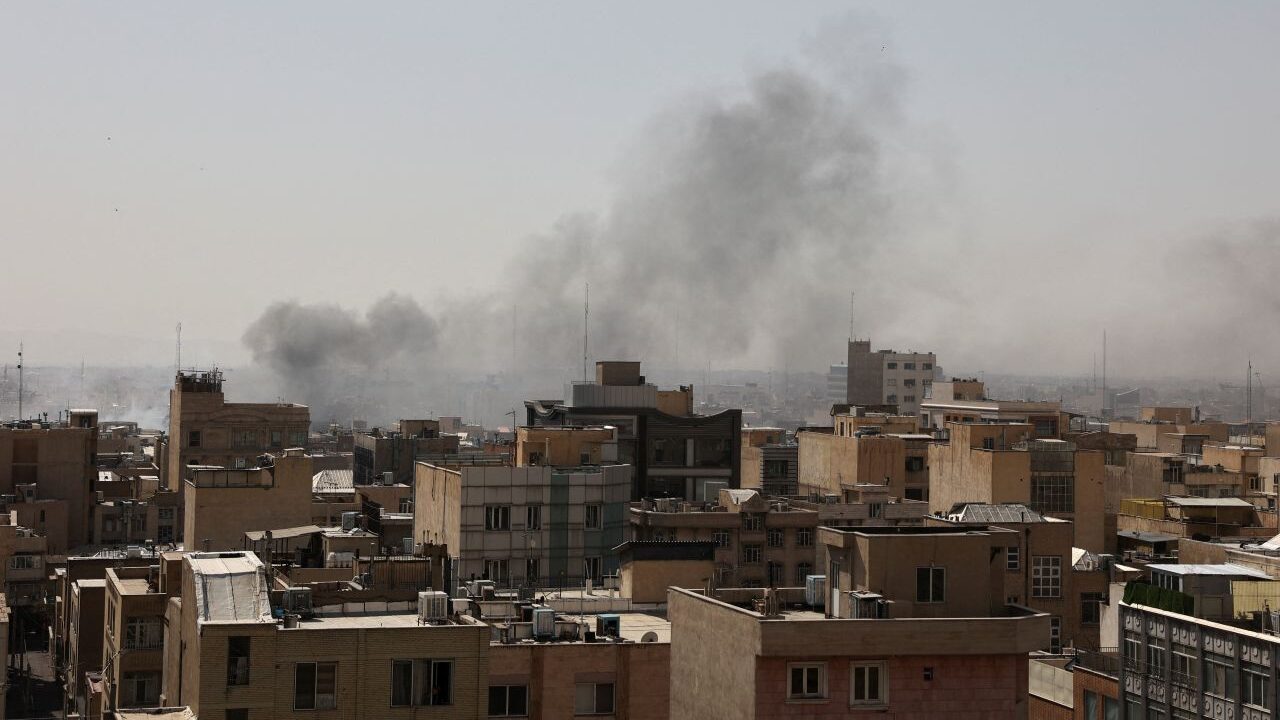
WASHINGTON/JERUSALEM/DUBAI — The United States and Israel carried out military strikes on Iran on Saturday, targeting its top leaders and plunging the Middle East into a conflict that President Donald Trump said would end a security threat to the U.S. and give Iranians a chance to topple their rulers.
Tehran called the attacks unprovoked and illegal, and responded by launching missiles at Israel and at several Gulf Arab allies of the United States that host American bases.
It promised a stronger response to come, with a senior Iranian Revolutionary Guards commander, Ebrahim Jabbari, saying it had so far used only “scrap missiles” and would soon unveil unforeseen weapons, state television reported.

— Donald J. Trump (@realDonaldTrump) February 28, 2026
Two Iranian Leaders Killed in Attacks
Iran’s Defense Minister Amir Nasirzadeh and Revolutionary Guards commander Mohammed Pakpour were killed in Israeli attacks, three sources familiar with the matter said.
Explosions rang out in nearby oil-producing Gulf Arab countries, which said they had intercepted missiles after Tehran warned it would strike the region if it was attacked.
The first wave of strikes in what the Pentagon named “OPERATION EPIC FURY” mainly targeted Iranian officials, a source familiar with the matter said, two days after indirect talks mediated by Oman failed to produce a breakthrough on Iran’s nuclear programme.
An Israeli official said Iranian Supreme Leader Ayatollah Ali Khamenei and President Masoud Pezeshkian were both targeted but the result of the strikes was not clear. A source with knowledge of the matter had earlier told Reuters that Khamenei was not in Tehran and had been transferred to a secure location.
An Iranian source close to the establishment said several senior commanders in Iran’s Revolutionary Guards and political officials had been killed. Forty people were killed in an Israeli airstrike on a school, state media said. Reuters could not independently confirm the reports.
Trump Says ‘Bombs Will Be Dropping Everywhere’
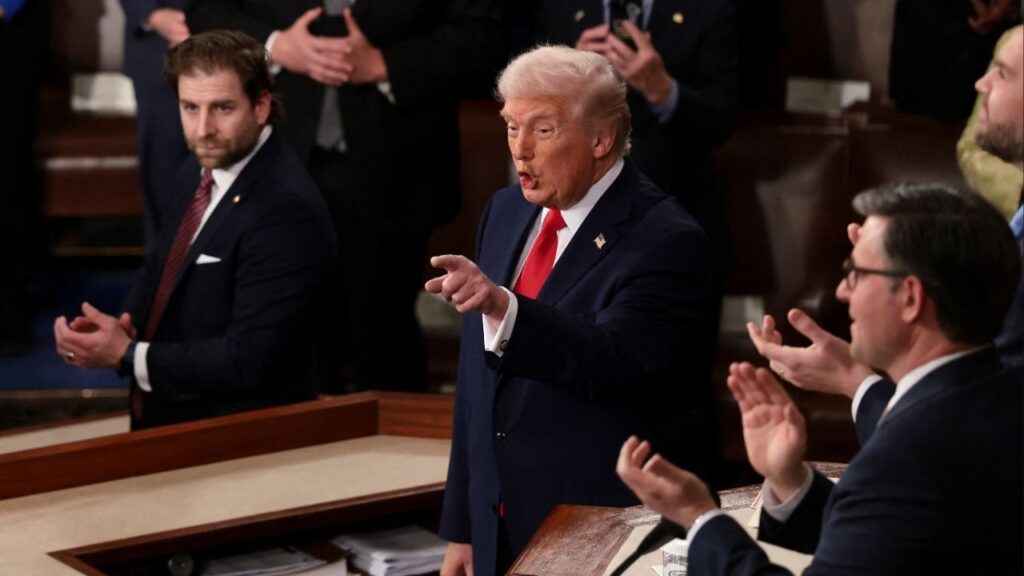
In a video message published on social media, Trump cited Washington’s decades-old dispute with Iran, including the seizure of the 1979 U.S. embassy in Tehran, when students held 52 Americans hostage for 444 days, as well as a range of other attacks the U.S. has blamed on Iran since the 1979 Islamic revolution brought the clerics to power.
🚨 BREAKING: BBC and Reuters confirm that a joint U.S.–Israel strike in Minab hit a girls’ elementary school. Iranian officials say 40 students were killed and 48 injured.
Iran retaliated immediately — missiles and drones launched at Israel and U.S. bases across the region.
— Brian Allen (@allenanalysis) February 28, 2026
Trump, who had deployed vast U.S. military firepower in the region saying he hoped to force Iranian concessions in nuclear talks, said the “massive” operation was intended to ensure Tehran does not obtain a nuclear weapon and was aimed at “eliminating imminent threats from the Iranian regime”.
He urged Iranians to stay sheltered because “bombs will be dropping everywhere.” But he added: “When we are finished, take over your government. It will be yours to take. This will be probably your only chance for generations.”
Netanyahu: Iranian People Can ‘Remove the Yoke of Tyranny’
Israeli Prime Minister Benjamin Netanyahu said the joint U.S.-Israeli attack “will create the conditions for the brave Iranian people to take their destiny into their own hands” and “remove the yoke of tyranny.” Defense Minister Israel Katz called it a pre-emptive strike to remove threats to Israel.
Iran’s clerical leaders were already in a difficult position after mass anti-government demonstrations in January, which led to a crackdown in which thousands of people were killed, the worst domestic unrest since the era of the 1979 revolution.
Protesters had again taken to the streets in recent days in remembrance of those killed the previous month.
Israeli military operations have killed some of Iran’s senior military officials and severely weakened several of Tehran’s once-feared proxy forces across the Middle East.
After Israel pounded Iran in a 12-day air war last June joined by the United States, the U.S. and Israel had warned that they would strike again if Iran pressed ahead with its nuclear and ballistic missile programmes. The threats were backed up in recent weeks by a U.S. military buildup in the region.
An Israeli defence official said the operation had been planned for months in coordination with Washington, and that the launch date was decided weeks ago.
Israel’s military said its Air Force had identified Iranian operatives in western Iran loading a missile unit and preparing to launch an attack. The Air Force struck the operatives and the launcher, preventing the attack, it said.
U.S. air defences intercepted and shot down a drone over a U.S. military base near Erbil in Iraq.
Missiles Fired at Arab Gulf States
The renewed confrontation dimmed hopes of a diplomatic solution to Tehran’s nuclear dispute with the West. Oil markets have been closely watching the standoff between Washington and Tehran to try and determine if supplies will be impacted.
“If we don’t see signs of de-escalation over the weekend, risk premiums could still drive Brent up” by $10–$20 per barrel when markets reopen on Monday, said Jorge Leon, head of geopolitical analysis at Rystad Energy.
Iran, the third largest producer in the Organization of the Petroleum Exporting Countries, pumps about 4.5% of global oil supplies, and a far larger share is shipped past its coast through the strait leading out of the Gulf.
Iran’s Revolutionary Guards said all U.S. bases and interests in the region were within Iran’s reach and that Iran’s retaliation would continue until “the enemy is decisively defeated.” Iraq’s Iran-aligned armed group Kataib Hezbollah said it would soon attack U.S. bases in the region.
Saudi Arabia’s Crown Prince Mohammed bin Salman called United Arab Emirates President Sheikh Mohammed bin Zayed Al Nahyan to discuss the Iranian attacks on countries in the region and expressed solidarity, the UAE state news agency said.
Loud booms sounded in Abu Dhabi, capital of the United Arab Emirates, an oil producer and close U.S. ally, and several blasts were heard in the business capital Dubai.
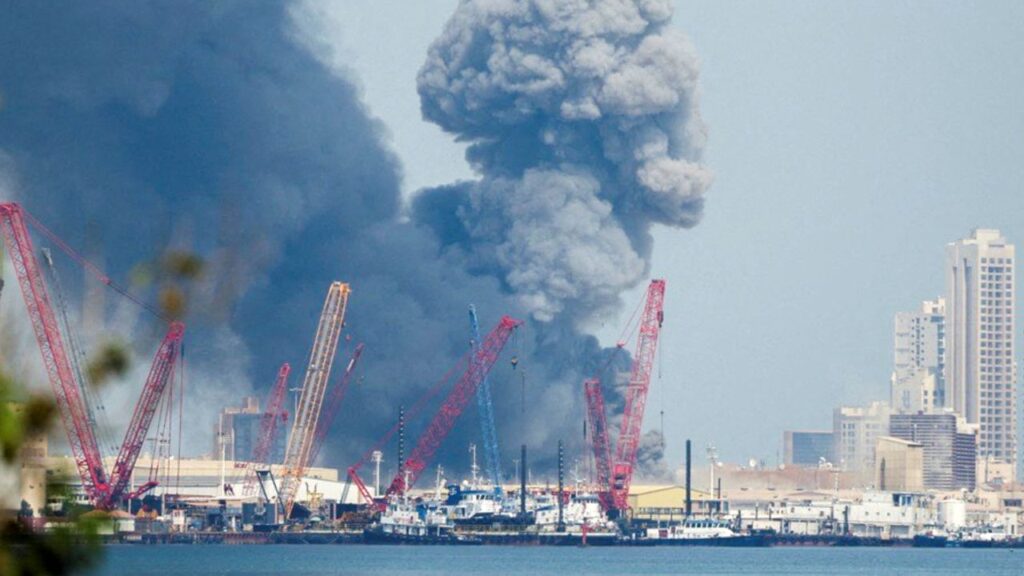
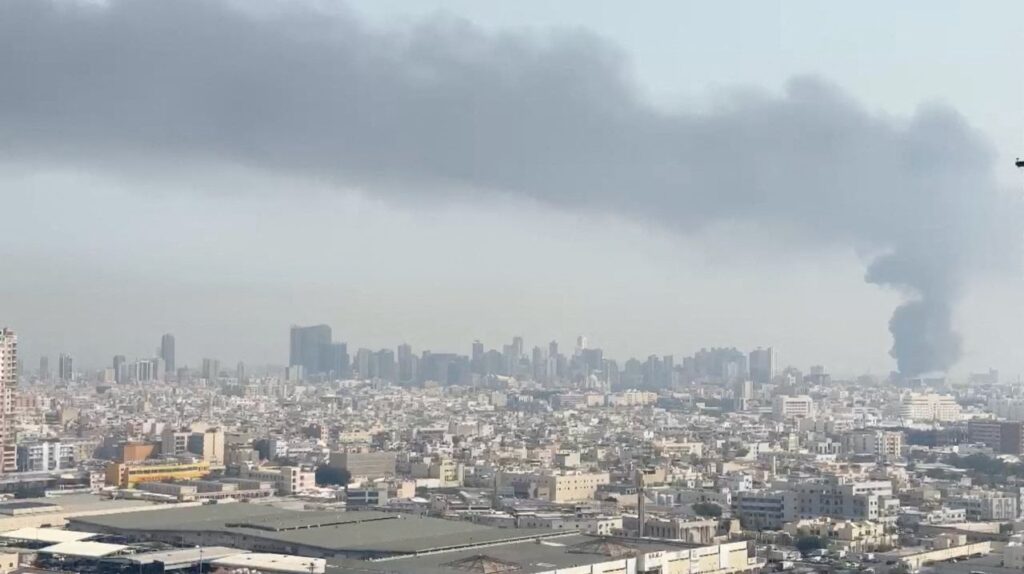
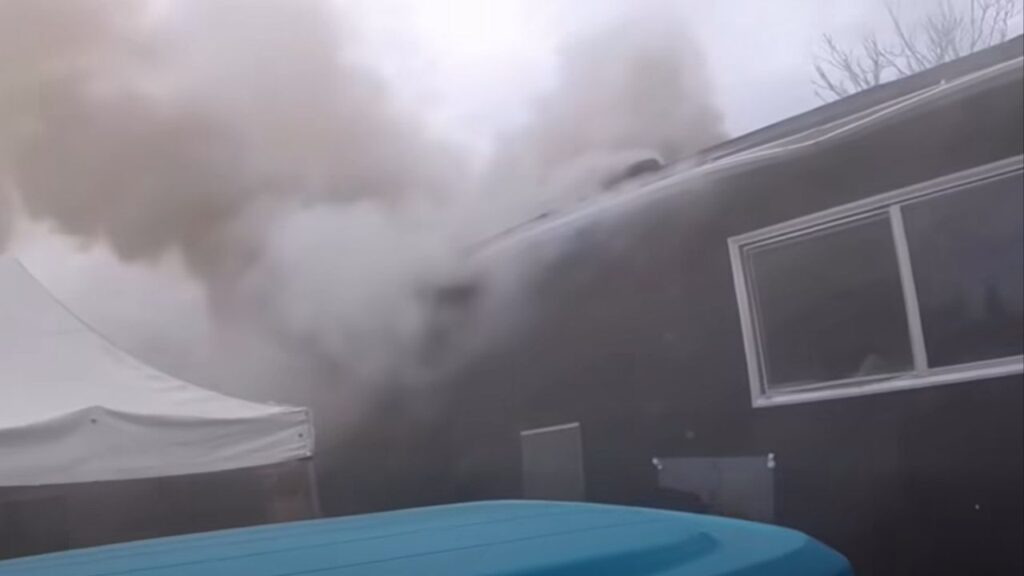
Bahrain said the service centre of the U.S. Fifth Fleet — base for American naval forces in the region — had been subjected to a missile attack. Video footage showed a thick grey plume of smoke rising from near the island state’s coastline as sirens wailed.
Qatar said it had downed all missiles targeting the country and that it had a right to respond. Kuwait confirmed a missile attack on a U.S. military base there.
An explosion was heard in Iran’s southeastern port city of Chabahar, Iranian state media reported.
Israel’s military did not immediately respond to a request for comment on the report of a strike at a primary school for girls in southern Iran, where Iranian state media reported 40 deaths.
In Israel, police said all holy sites were closed to visitors under national emergency guidelines after authorities announced several barrages of missiles were launched from Iran.
Global airlines cancelled flights across the Middle East and the attacks raised the prospect of oil prices rising. Some oil majors and trading houses suspended crude oil and fuel shipments via the Strait of Hormuz, four trading sources said.
(Reporting by Reuters bureau; Writing by Michael Georgy; Editing by Barbara Lewis, Sam Holmes, Timothy Heritage, Peter Graff)