
|
Getting your Trinity Audio player ready...
|
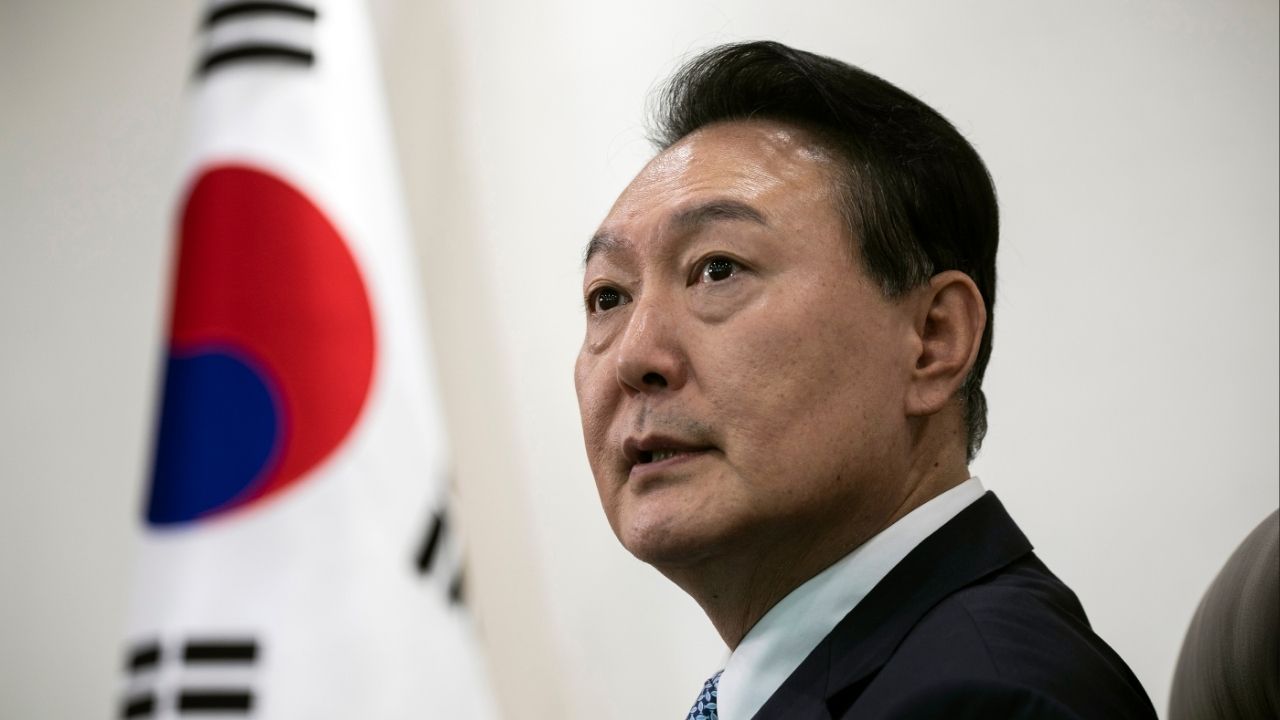
A South Korean court on Thursday sentenced former President Yoon Suk Yeol to life imprisonment after finding him guilty of leading an insurrection when he briefly imposed martial law in 2024.
Yoon’s actions plunged South Korea into a constitutional crisis, and he was later impeached and ousted.
Here’s what to know:

What Was Yoon Charged With?
Yoon, 65, has been on trial since April on a series of criminal charges stemming from his martial law declaration on the night of Dec. 3, 2024. The insurrection charge is the most serious.
Prosecutors argued that Yoon’s decision to ban all political activities and order the armed forces to seize the National Assembly amounted to an insurrection. They accused him of conspiring with the military commanders and police chiefs to detain his enemies, including the speaker of the Assembly and opposition leaders.
South Korea’s criminal code allows only two punishments for the insurrection charge: the death penalty or life imprisonment. Prosecutors had demanded the former.
Yoon denied the insurrection charge throughout his trial. He said he had declared martial law as “a warning” against an obstructive opposition, and he described the legislature as a “den of criminals” who used their parliamentary power to paralyze his government.
He had never intended to neutralize the legislature or arrest political leaders, he said.
What Did the Court Find?
On Thursday, presiding Judge Ji Gwiyeon said Yoon “flouted legal procedures and resorted to violent means to try to incapacitate the National Assembly and undermined democratic norms.”
Yoon hurt the neutrality of the military and police, inflicted “incalculable damage” on South Korean society, and fanned its political polarization, the judge said.
Yoon deserved a harsh sentence in part because he has refused to apologize for leading an insurrection, the judge said. But he cited Yoon’s advanced age and the fact that he refrained from using lethal force as grounds for not giving him the death penalty.
What Happened After Yoon’s Martial Law Declaration?
Yoon’s decree banned all political activities and placed the news media under military control. Armed troops were sent to take over the National Assembly and the National Election Commission.
But he was forced to withdraw it after six hours. Citizens who saw his declaration on TV rushed to the National Assembly and blocked the soldiers while lawmakers gathered inside and voted down his decree in the middle of the night.
Yoon’s actions set off the country’s worst political crisis in decades. He was impeached by the National Assembly on Dec. 14 and arrested on the insurrection charge the following month, making him the first sitting president in South Korean history to face a criminal charge.
He was formally expelled from office in April.
—
This article originally appeared in The New York Times.
By Yan Zhuang/Woohae Cho
c. 2026 The New York Times Company