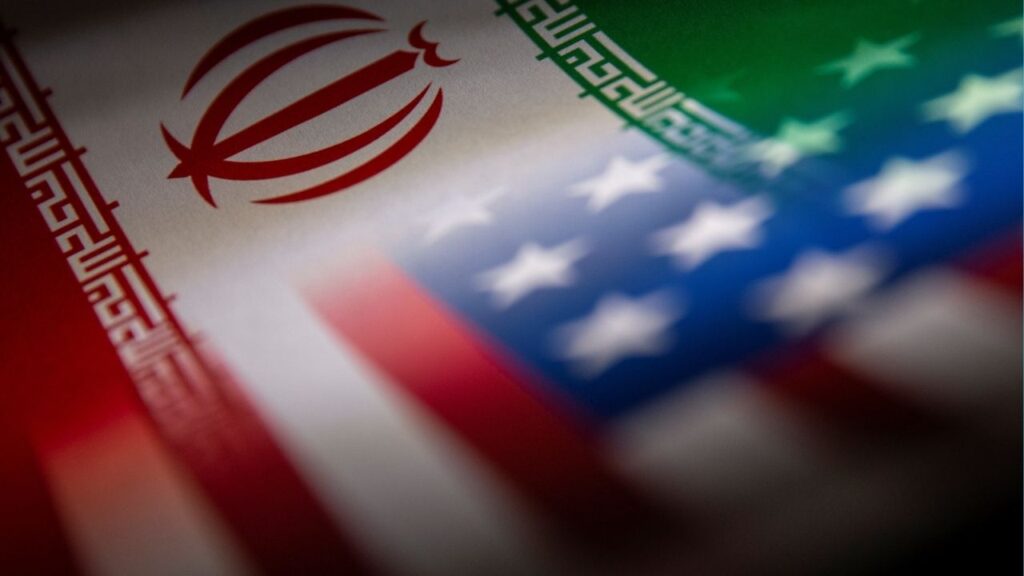
The rapid buildup of U.S. forces in the Middle East has progressed to the point that President Donald Trump has the option to take military action against Iran as soon as this weekend, administration and Pentagon officials told The New York Times. (Reuters/Dado Ruvic/Illustration/File)


- The rapid buildup of U.S. forces in the Middle East has progressed to the point that President Donald Trump has the option to take military action against Iran as soon as this weekend,
- Trump has given no indication that he has made a decision about how to proceed
- Prime Minister Benjamin Netanyahu of Israel, whose country would potentially take part in an attack, has been pushing for action to weaken Iran’s ability to launch missiles at Israel.
Share
|
Getting your Trinity Audio player ready...
|
The rapid buildup of U.S. forces in the Middle East has progressed to the point that President Donald Trump has the option to take military action against Iran as soon as this weekend, administration and Pentagon officials said, leaving the White House with high stakes choices about pursuing diplomacy or war.
Trump has given no indication that he has made a decision about how to proceed. But the drive to assemble a military force capable of striking Iran’s nuclear program, its ballistic missiles and accompanying launch sites has continued this week despite indirect talks between the two nations on Tuesday, with Iran seeking two weeks to come back with fleshed out proposals for a diplomatic resolution.
Trump has repeatedly demanded that Iran give up its nuclear program, including agreeing not to enrich any more uranium. Prime Minister Benjamin Netanyahu of Israel, whose country would potentially take part in an attack, has been pushing for action to weaken Iran’s ability to launch missiles at Israel.
Israeli forces, which have been on heightened alert for weeks, have been making more preparations for a possible war, and a meeting of Israel’s security Cabinet was moved to Sunday from Thursday, according to two Israeli defense officials.
Many administration officials have expressed skepticism about the prospects of reaching a diplomatic deal. The indirect talks Tuesday in Geneva ended with what Iran’s foreign minister said was agreement on a “set of guiding principles.” U.S. officials said the two sides made progress but added that big gaps remain.
Trump has repeatedly threatened that Iran must meet his terms or face severe consequences. But another attack, eight months after a 12-day war in which Israel and the United States assaulted military and nuclear sites across Iran, would potentially carry substantial risks, including that Iran would respond with missile strikes on Israel and on U.S. forces in the region.
Last June, after striking three Iranian nuclear sites, Trump declared that Iran’s nuclear program had been “obliterated.” But now he is considering sending U.S. military back to continue the job.
The U.S. military buildup includes dozens of refueling tankers, rushed to the region by U.S. Central Command, more than 50 additional fighter jets, and two aircraft carrier strike groups, complete with their accompanying destroyers, cruisers and submarines, U.S. officials said.
This article originally appeared in The New York Times.
By Helene Cooper, Eric Schmitt and Ronen Bergman
c.2026 The New York Times Company