
|
Getting your Trinity Audio player ready...
|
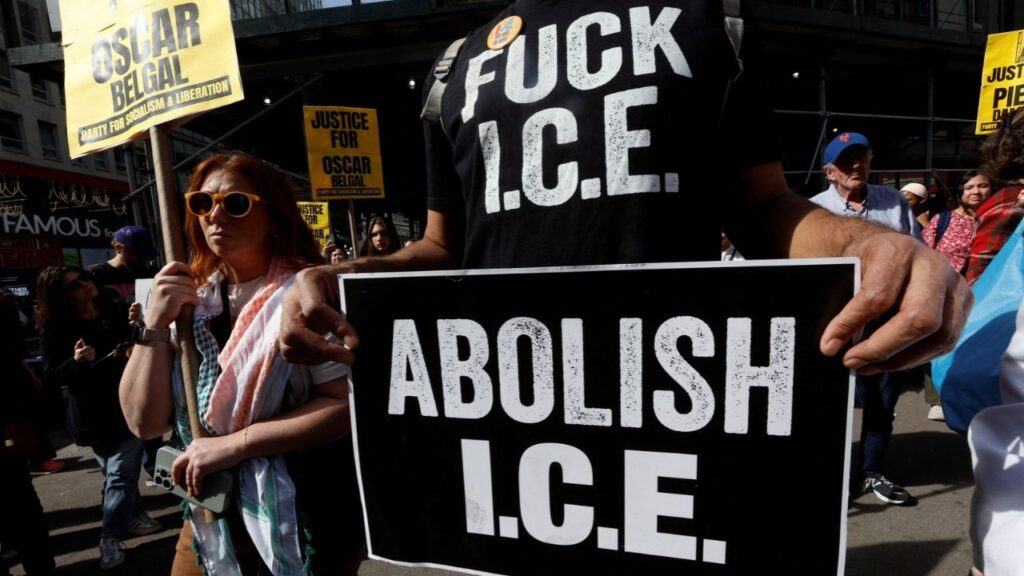
An unusual agreement between many Florida universities and federal immigration officials has caused a new wave of anxiety among students, as immigration raids around the country have swept up thousands and ignited protests.
The agreements give university police departments, after training from Immigration and Customs Enforcement, authority to conduct immigration enforcement and access to databases to check immigration status. It remains unclear to what extent university police departments have worked with ICE in practice.
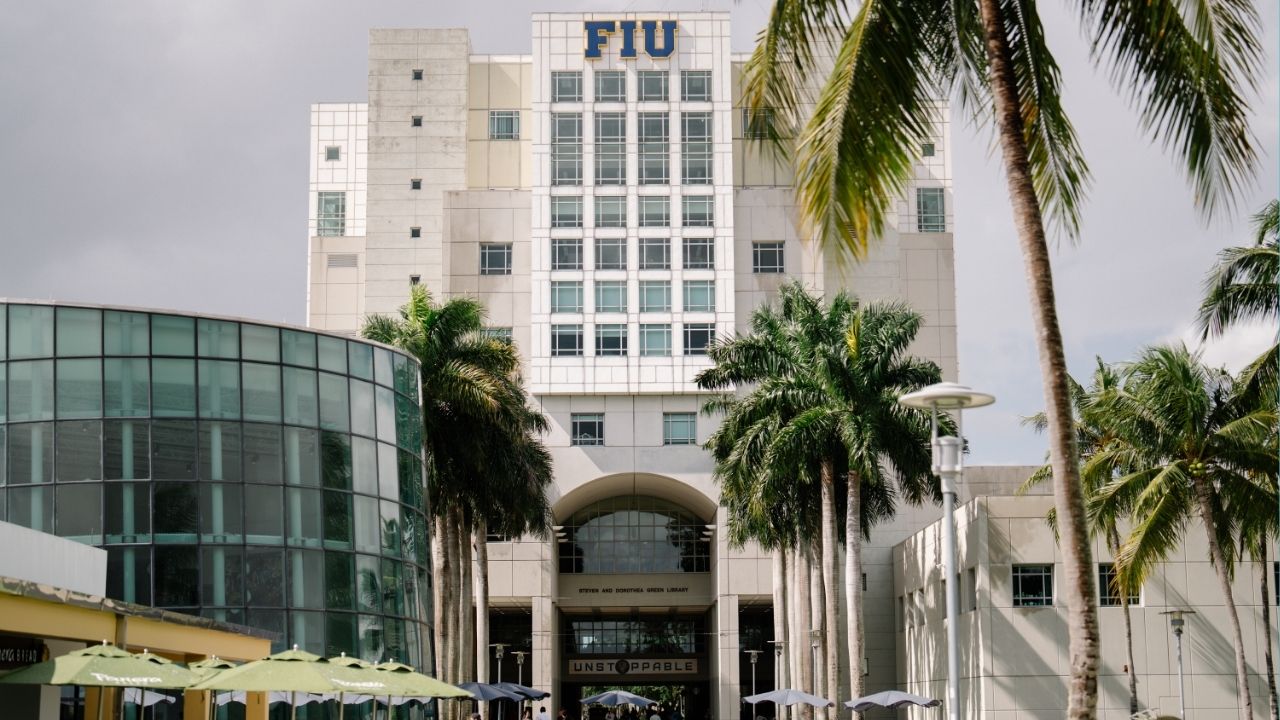
On Friday, students at Florida International University, a Miami campus that is majority Hispanic, protested against their school’s decision to cooperate with ICE, which was made in July. The university is one of at least 16 public higher education institutions around the state that have agreed to join forces with ICE over the past year.

Carlton Daley, a student activist and engineering major, said his university’s embrace of the agreement is concerning given that the institution highlights its international student population — in total, about 4,500 students from more than 140 countries.
“They are perfectly OK and almost eager to be enacting this kind of social harm against our community,” he said.
Florida International’s police chief has said that the university would assist ICE if the agency requested help with an immigration sweep on campus. “That hasn’t happened,” he said at an on-campus meeting.
The partnerships are known as 287(g) agreements, for the section added to the Immigration and Nationality Act in 1996 that allowed ICE to delegate some immigration enforcement to local law enforcement agencies. Such partnerships have increased rapidly during the second Trump administration, rising to 1,000 agreements, more than a 600% increase, according to the Department of Homeland Security.
And, for what appears to be the first time, the list of local authorities cooperating with ICE includes colleges and universities.
Almost all of those schools are in Florida, which has been a leader in implementing conservative policies in higher education.
Last February, Gov. Ron DeSantis directed Florida law enforcement agencies to work with ICE, saying the new partnerships mean “deportations can be carried out more efficiently, making our communities safer as illegal aliens are removed.”
Now ICE also has agreements with the University of Florida, New College of Florida and University of Central Florida, among others, according to a list on the agency’s website. Several colleges provided copies of their agreements, but otherwise declined to comment.
—
This article originally appeared in The New York Times.
By Vimal Patel/Martina Tuaty
c. 2026 The New York Times Company