
|
Getting your Trinity Audio player ready...
|
Inflation ended the year on a subdued note, as the 2025 tariff barrage worked its way through to sticker prices.
Consumer prices were 2.7% higher than a year ago, data from the Bureau of Labor Statistics showed Tuesday, or 2.6% when stripping out volatile food and energy prices.
That was about in line with the number for November, which was artificially depressed by irregularities arising from a lapse in data collection during the government shutdown. And it was only slightly slower than the pace at the beginning of 2025, before the prices of durable goods such as cars and toys began rising as President Donald Trump imposed steep tariffs on most countries.

Last Report Before Federal Reserve Meets
The report is the last of its kind before the Federal Reserve meets again in two weeks. With the employment report for December showing the unemployment rate sinking back to a relatively healthy 4.4%, officials are expected to hold interest rates steady after cutting them three times since September.
The consumer price index was pulled down by the cost of used cars and trucks, which fell 1.1% over the month, and have risen only 1.6% over the past year. Yearly growth in that category peaked at 45% in June 2021, before turning negative in 2023 and 2024.
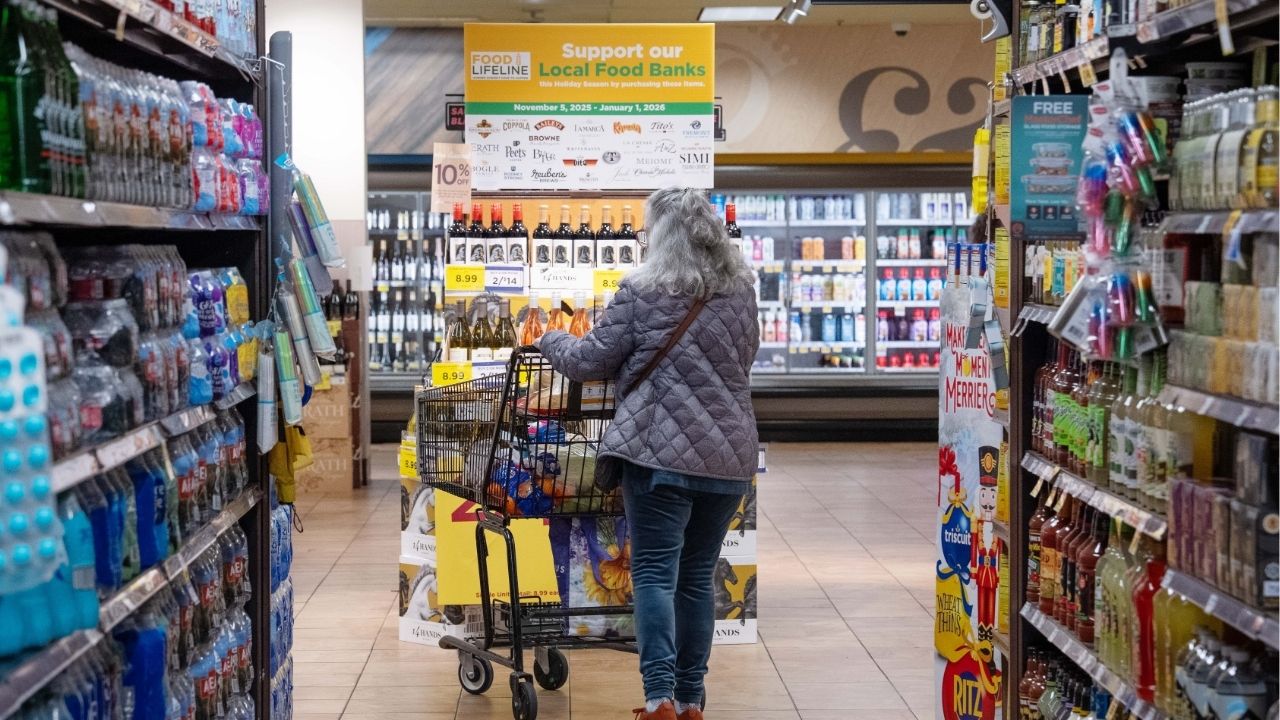
Airline fares, on the other hand, unexpectedly jumped 5.2%, potentially reflecting record travel during the holidays. And the price of groceries also came in hot, at 0.7% over the month and 2.4% from a year prior. That was the fastest one-month gain in grocery prices since 2022, driven by higher prices for items such as meats, dairy and coffee.
Inflation has been pulled down over the past year by apartment rents, which have been sinking from pandemic-era highs after cities such as Denver, Phoenix and Austin, Texas, saw a boom of new supply. In December, rents rose 3.1% over the year, while the cost of owning a home has risen 3.4%.
Energy prices overall have risen 2.3% over the year, but that masks big differences between sources: The price of gasoline was down 3.4%, while electricity prices rose 6.7%.
—
This article originally appeared in The New York Times.
By Lydia DePillis/Ruth Fremson
c. 2026 The New York Times Company