
|
Getting your Trinity Audio player ready...
|
Portions of some files released from the Justice Department’s investigation of Jeffrey Epstein, the disgraced financier and convicted sex offender, were not properly redacted digitally, with some censored information easily revealed by copying and pasting blacked-out text into a separate file.
The information from the failed redactions surfaced by The New York Times shed no additional light on the well-documented ties between President Donald Trump and Epstein.
But it showed more examples of how Epstein carried out his abuse and concealed his money through financial and corporate structures, and the ease of recovering the material suggested that at least a few materials in the trove of documents released by the Justice Department were hastily censored.

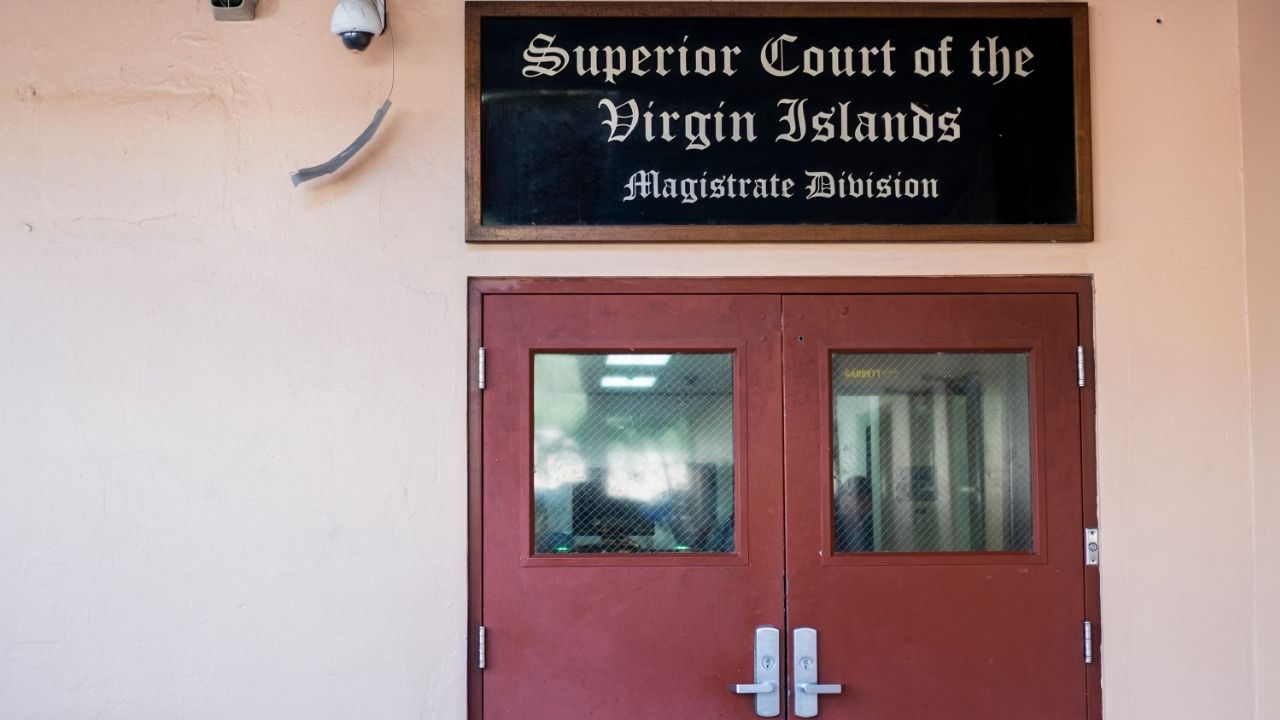
One such failed redaction occurred in a civil suit against the executors of Epstein’s estate, filed in the Virgin Islands in 2021. According to the redacted portion of the civil suit, revealed through copying and pasting into another document, one of the executors, Darren K. Indyke, signed a check from Epstein’s foundation to an immigration lawyer who was “involved in one or more forced marriages arranged among Epstein’s victims.”
Chad Gilmartin, a spokesperson for the Justice Department, said the failed redactions had been applied by parties in the civil litigation. The Justice Department, Gilmartin said, “simply reproduced the materials,” which were collected to be part of the Epstein files.
The Guardian reported earlier on some of the documents’ redactions being undone.
Trump last month signed into law a bill promising the release of all files related to the Epstein investigation, as well as transparency around their release. The bill said that no documents could be redacted on the basis of “embarrassment, reputational harm, or political sensitivity.” It granted exceptions for redactions in a number of situations, including where victims’ personal information could be compromised.
“The only redactions being applied to the documents are those required by law — full stop,” Todd Blanche, the deputy attorney general, said in a statement last week.
—
This article originally appeared in The New York Times.
By Santul Nerkar/Dennis M. Rivera Pichardo
c. 2025 The New York Times Company