

|
Getting your Trinity Audio player ready...
|
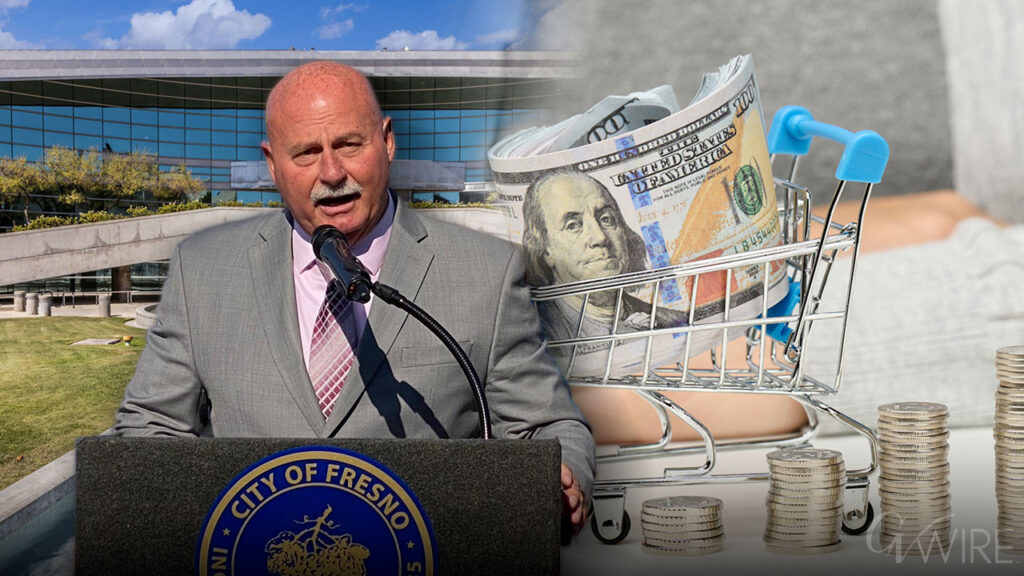
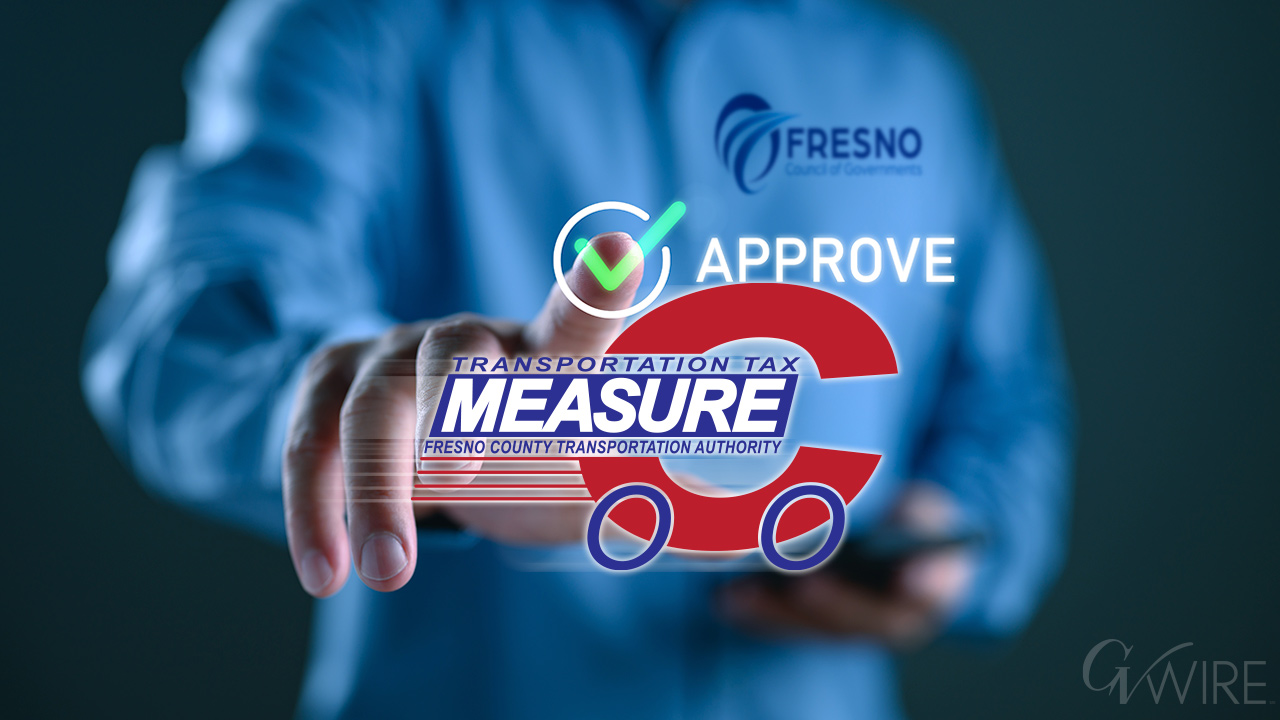
A panel of mayors approved how to implement Measure C, setting the next stage in getting the Fresno County transportation sales tax renewal on the ballot.
The Fresno Council of Governments Policy Board voted 10-4 on Thursday to approve most of what an advisory panel recommended.
The policy board includes the mayors of the county’s 15 incorporated cities, along with one member of the Fresno County Board of Supervisors.


The half-cent sales tax expires in June 2027 and would need voter approval in November 2026 to continue. The proposed renewal would last 30 years and raise an estimated $7 billion.
The policy board did not follow the steering committee’s recommendation to increase Fresno County spending in disadvantaged unincorporated areas. Instead of a minimum of 12%, the policy board set the minimum at 7%, depending on the results of a needs assessment study — the original staff recommendation. A county public works official had objected to the higher amount, calling it not feasible.
Fresno COG’s legal team is still reviewing the plan. Attorneys raised concerns that definitive language — such as minimum road standards — could lead to lawsuits if those metrics are not met. Changing the language to goals rather than requirements could help, said attorney Steven DeBaun of Best Best & Krieger.
A Measure C spending plan was approved last month by both the steering committee and the policy advisory board.
Fresno County Supervisor Garry Bredefeld spoke against the regional connectivity allocation, even though funding allocations were not on the agenda. He also warned against including non-road elements in Measure C.
Part of the debate centered on widening roadways. The renewal sets aside 5% of funds, but only if the average pavement condition index is 70 and all roads meet a minimum score of 65. There are exemptions based on safety.
Clovis Mayor Vong Mouanoutoua said the renewal was about fixing existing roads. Fresno Mayor Jerry Dyer said expanding roadways “is exactly why we are in this mess today” — building out highways instead of fixing neighborhood streets.
Supporting Measure C were the mayors of Clovis, Coalinga, Firebaugh, Fowler, Fresno, Kerman, Mendota, Orange Cove, Parlier and San Joaquin; opposing were Kingsburg, Reedley and Selma, along with Fresno County. Huron and Sanger were absent.
The Measure C renewal plan will now go to the Board of Supervisors and city councils for approval.
The supervisors must approve the measure; if they do not, Measure C will not advance.
Also, eight of the 15 cities need to support the measure. The city of Fresno must also support the measure because it represents a majority of the county’s population.
The next approval would go to the Fresno County Transportation Authority on April 15. Measure C would then return to the supervisors for placement on the ballot. The estimated date for placement is May 19, although the legal deadline is in August.
Will Other Transportation Initiatives Appear?
During the Measure C renewal process, the social justice group Transportation for All emerged. The group initially floated the idea of developing its own plan to present to voters. Instead, it agreed to work with Fresno COG for now.
Another group of transportation officials, including former Fresno COG Executive Director Tony Boren, has also discussed floating a plan for voters. That proposal would include more money for regional projects and less for public transportation.
Boren believes Transportation for All is moving forward. That would mean his group could move forward as well. Right now, he said, “It is to be determined.”
“We will now look to our political advisers for guidance on how best to address the changing circumstances,” Boren said.
Transportation for All did not respond to messages.
Boren’s group or Transportation for All would need to collect approximately 22,000 signatures to place the measure on the ballot. A signature-led method to the ballot requires only a majority to pass. A measure placed on the ballot by a government agency — as in the current process — would require a two-thirds vote to pass.
Fresno County Clerk/Registrar of Voters James Kus said “time is flying by” to collect signatures. He recommends allowing 13 months to collect signatures — a window that has already elapsed for the November 2026 ballot.
Kus said only the Fresno COG version would be designated Measure C. Any other measures would receive ballot designations as they are submitted. If there are conflicting initiatives, the one receiving the most votes would prevail, Kus said.
No Supervisor Filings Yet
Several potential candidates for an open Fresno County supervisor seat who have said they will or might run had not officially filed as of Friday.
District 1 Supervisor Brian Pacheco, D-Kerman, announced last week that he will instead run for the 27th Assembly District in 2026.
Kerman Mayor Maria Pacheco (no relation), West Hills Community College District Trustee Omar Hernandez and Fresno City Councilmember Mike Karbassi said they are running; former State Center Community College District trustee Eric Payne and Kerman Councilmember Gary Yep said they are considering it.
Blong Xiong, a former Fresno city councilmember who ran for the supervisor seat against Brian Pacheco in 2014, told Politics 101 he is “still in the decision process.”
The only candidate to file with the county so far is Firebaugh City Councilmember Felipe Perez, allowing him to begin raising funds.
Starting Friday (Dec. 19), candidates can begin collecting signatures to run in lieu of paying a filing fee. The regular filing period opens Feb. 9 and runs through March 11 if the incumbent does not run.
NIMBY Request Denied for Banquet Hall
The Fresno Planning Commission approved a permit for a banquet hall at its meeting Wednesday.
Neighbors appealed the decision allowing The Montero, operated by Dionysos Stefanopoulos, to move into a property at 280 W. Shaw Ave., at the northeast corner of College Avenue, west of Blackstone Avenue. The property was formerly a church. Complaints included noise, traffic and a lack of parking.
Dirk Poeschel, representing the project, said traffic would not be an issue because most events would occur during off-peak hours. The location will have 143 parking spaces, which he said is more than enough.
“It’s a wonderful conversion of a beautiful building,” Poeschel said.
The commission voted 5-0 to deny the appeal and uphold the planning department’s approval.