
|
Getting your Trinity Audio player ready...
|
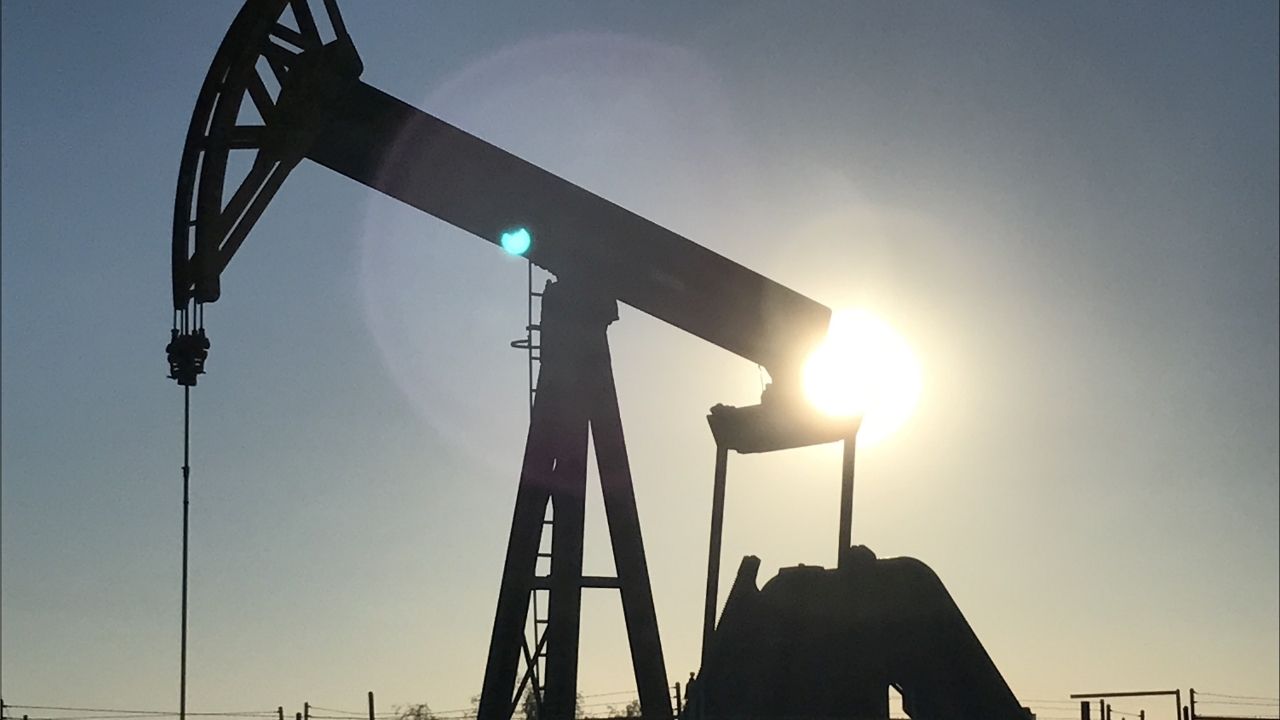
Oil prices edged up about 1% to a two-week high on Friday on increasing expectations the U.S. Federal Reserve will cut interest rates next week, which could boost economic growth and energy demand, and geopolitical uncertainty that could reduce supplies from Russia and Venezuela.
Brent futures rose 62 cents, or 1.0%, to $63.88 per barrel, while U.S. West Texas Intermediate (WTI) crude was up 60 cents, or 1.0%, to $60.27.
Those moves put both crude benchmarks on track for their highest closes since November 18.

For the week, Brent was up about 1% and WTI was up about 3%, marking a second straight weekly gain for both contracts.
Investors digested a long-delayed U.S. inflation report and recalibrated expectations for the Fed to reduce rates at its December 9-10 meeting.
U.S. consumer spending rose in line with forecasts in September, while core prices increased 2.8% on a year-over-year basis, a touch below economists’ consensus expectation of a 2.9% gain, the latest Personal Consumption Expenditures report showed.
Traders have been pricing in an 87% chance that the Fed will lower borrowing costs by 25 basis points next week, according to CME Group’s FedWatch Tool.
Separately, Chinese Vice Premier He Lifeng had an “in-depth and constructive” video call with U.S. Treasury Secretary Scott Bessent and U.S. Trade Representative Jamieson Greer on Friday, the official Xinhua news agency reported.
Any talks that could reduce trade tensions between the U.S. and China, the world’s two biggest economies, could boost economic growth and energy demand.
INVESTORS FOCUSED ON RUSSIAN, VENEZUELAN OUTPUT
Investors also focused on news from Russia and Venezuela to determine whether oil supplies from two of the sanctioned OPEC+ members will increase or decrease in the future.
The failure of U.S. talks in Moscow to achieve any significant breakthrough over the war in Ukraine has helped boost oil prices so far this week.
“Looking ahead, supply factors remain in focus. A peace deal with Russia would bring more barrels to the market and likely push prices down,” said Anh Pham, a senior research specialist at LSEG.
“On the other hand, any geopolitical escalation will drive prices higher. OPEC+ has agreed to keep production steady until early next year, so it adds some support for prices too,” he said.
The Group of Seven countries and the European Union are in talks to replace a price cap on Russian oil exports with a full maritime services ban in a bid to reduce the oil revenue that helps finance Russia’s war in Ukraine, six sources familiar with the matter said.
OPEC+ includes the Organization of the Petroleum Exporting Countries and allies like Russia. Any deal that could lift sanctions on Russia, the world’s second-biggest crude producer after the U.S., could increase the amount of oil available to global markets.
“The lack of progress in the Ukrainian peace talks provides a bullish backdrop, but on the other hand, resilient OPEC production provides a bearish backstop. These two opposing forces make trading seemingly quiet,” said Tamas Vargas, an oil market analyst at PVM.
On his first trip to New Delhi since Russia’s 2022 invasion of Ukraine, Russian President Vladimir Putin on Friday offered India uninterrupted fuel supplies, eliciting a cautious response even as he and Indian Prime Minister Narendra Modi agreed to expand trade and defense ties between countries with decades-old ties.
State refiners Indian Oil Corp and Bharat Petroleum Corp have placed January orders for the loading of Russian oil from non-sanctioned suppliers due to widening discounts, trade sources with knowledge of the matter said.
Meanwhile, a Ukrainian drone attack caused a fire at Russia’s Azov Sea port of Temryuk, the local emergencies center said on Friday. Temryuk handles liquefied petroleum gas (LPG), oil products and petrochemicals, as well as grain and other bulk food commodities.
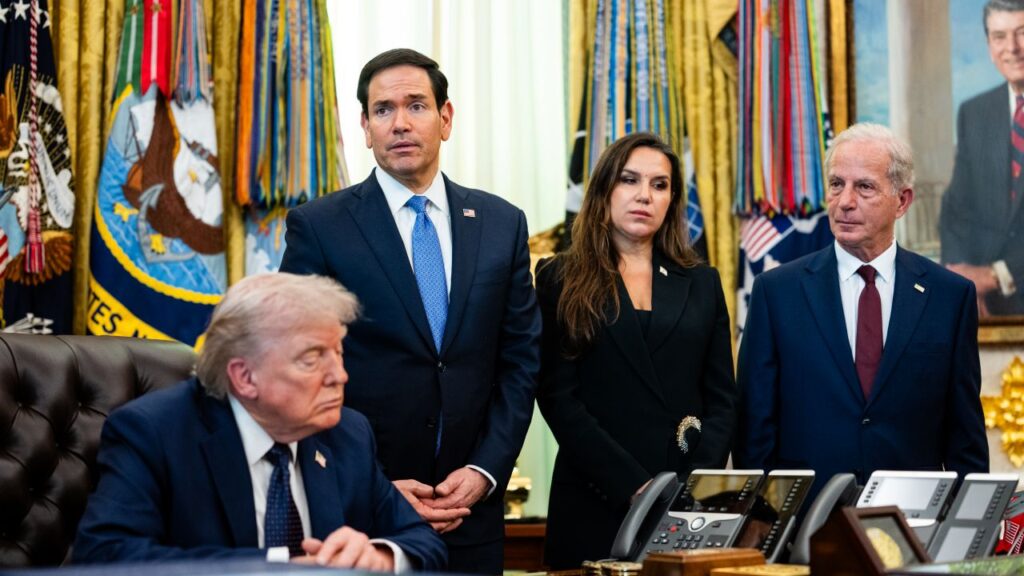
Markets also were bracing for a potential U.S. military incursion into Venezuela after U.S. President Donald Trump said late last week the U.S. would start taking action to stop Venezuelan drug traffickers on land “very soon.”
Rystad Energy said in a note that such a move could put at risk Venezuela’s 1.1 million barrels per day of crude oil production, which goes mostly to China.
—
(Reporting by Scott DiSavino in New York and Anna Hirtenstein in London; Additional reporting by Colleen Howe in Beijing and Jeslyn Lerh in Singapore; Editing by Joe Bavier, Kate Mayberry, Chizu Nomiyama and Paul Simao)