
|
Getting your Trinity Audio player ready...
|
WASHINGTON, Dec 5 — U.S. consumer spending increased moderately in September after three straight months of solid gains, suggesting a loss of momentum in the economy at the end of the third quarter as a lackluster labor market and rising cost of living curbed demand.
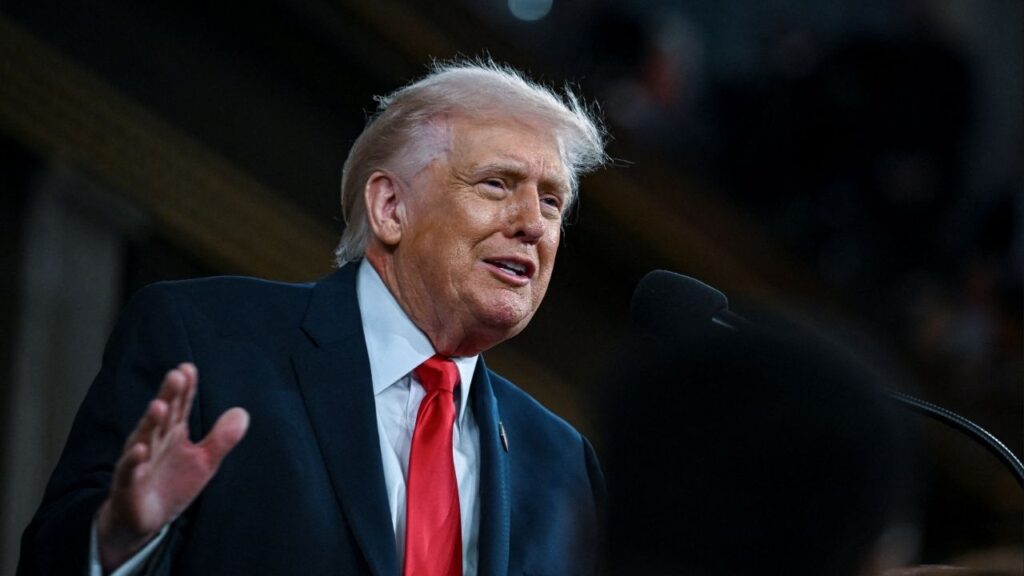
The report from the Commerce Department on Friday also showed annual inflation rising at its fastest pace in nearly 1-1/2 years in September. President Donald Trump’s sweeping tariffs on imported goods have raised prices for consumers, though the increase has been gradual.
Trump is taking heat from Americans frustrated over high inflation, with his approval rating declining in recent weeks. A survey from the University of Michigan said the overall tenor of households’ views in early December was “broadly somber as consumers continue to cite the burden of high prices.”

“The fundamentals for consumers look challenging,” said Oliver Allen, senior economist at Pantheon Macroeconomics. “The soft September sets the stage for more consumer weakness in the fourth quarter.”
Consumer spending, which accounts for more than two-thirds of economic activity, rose 0.3% after a downwardly revised 0.5% gain in August, the Commerce Department’s Bureau of Economic Analysis said. Economists polled by Reuters had forecast consumer spending advancing 0.3% after a previously reported 0.6% rise in August.
The report was delayed by a record 43-day government shutdown. The increase in spending reflected higher prices, particularly for gasoline and other energy goods. Outlays on motor vehicles, recreational goods and vehicles as well as other long-lasting manufactured products fell. Spending on clothing and footwear declined. Overall outlays on goods were unchanged.
Spending on services increased 0.4%, led by housing and utilities. Consumers also boosted spending on healthcare, financial services and insurance as well as hotel and motel rooms, and transportation services like airline tickets.
High-Income Households Are Driving Spending
Economists have attributed the increased spending on services to high-income households whose wealth was boosted by a stock market rally. Labor market stagnation has hurt middle- and lower-income households, which are also being squeezed by tariffs, economists said, creating what they called a K-shaped economy.
Economists at Goldman Sachs in a note this week expected weak income growth because of tepid job growth and cuts to government assistance programs like Medicaid and Supplemental Nutrition Assistance Program benefits, formerly known as food stamps, to weigh on spending by low-income households in 2026.
When adjusted for inflation, spending was unchanged after rising 0.2% in August. Still, consumer spending likely grew at a brisk pace in the third quarter, underpinning the overall economy. The Atlanta Federal Reserve is estimating gross domestic product grew at a 3.8% annualized rate in the July-September quarter, which would match the second quarter’s pace.
The BEA will publish its delayed initial third-quarter GDP estimate on December 23. Businesses have either absorbed the import duties or sold inventory accumulated before the taxes kicked in, limiting the pace of increase in inflation.
The Personal Consumption Expenditures (PCE) Price Index increased 0.3% in September, matching August’s gain, the BEA said. In the 12 months through September, the PCE Price Index advanced 2.8%. That was the largest year-on-year advance since April 2024 and followed a 2.7% rise in August.
Excluding the volatile food and energy components, the PCE Price Index gained 0.2% after rising by the same margin in August. In the 12 months through September, the so-called core inflation index increased 2.8% after rising 2.9% in August.
The Federal Reserve tracks the PCE price measures for its 2% inflation target. Some economists said the outdated PCE inflation data favored the U.S. central bank cutting interest rates next Wednesday. Financial markets have almost priced in a 25-basis-point rate cut, CME Group’s FedWatch tool showed.
“This likely bolsters the case for a rate cut if the focus stays on a weakening labor market amid moderate inflationary pressures,” said Olu Sonola, head of U.S. economic research at Fitch Ratings.
—
(Reporting by Lucia Mutikani; Editing by Chizu Nomiyama and Andrea Ricci)