
|
Getting your Trinity Audio player ready...
|
The U.S. Census Bureau said on Wednesday it was adopting several strategies, including shortening the window for Principal Federal Economic Indicators collection, to get economic data back to their original release schedule “as quickly as possible.”
“For our PFEIs to return to their original release schedules, processing stages must be accelerated and condensed where possible while still adhering to established quality standards,” the Census Bureau said in a statement posted on its website.
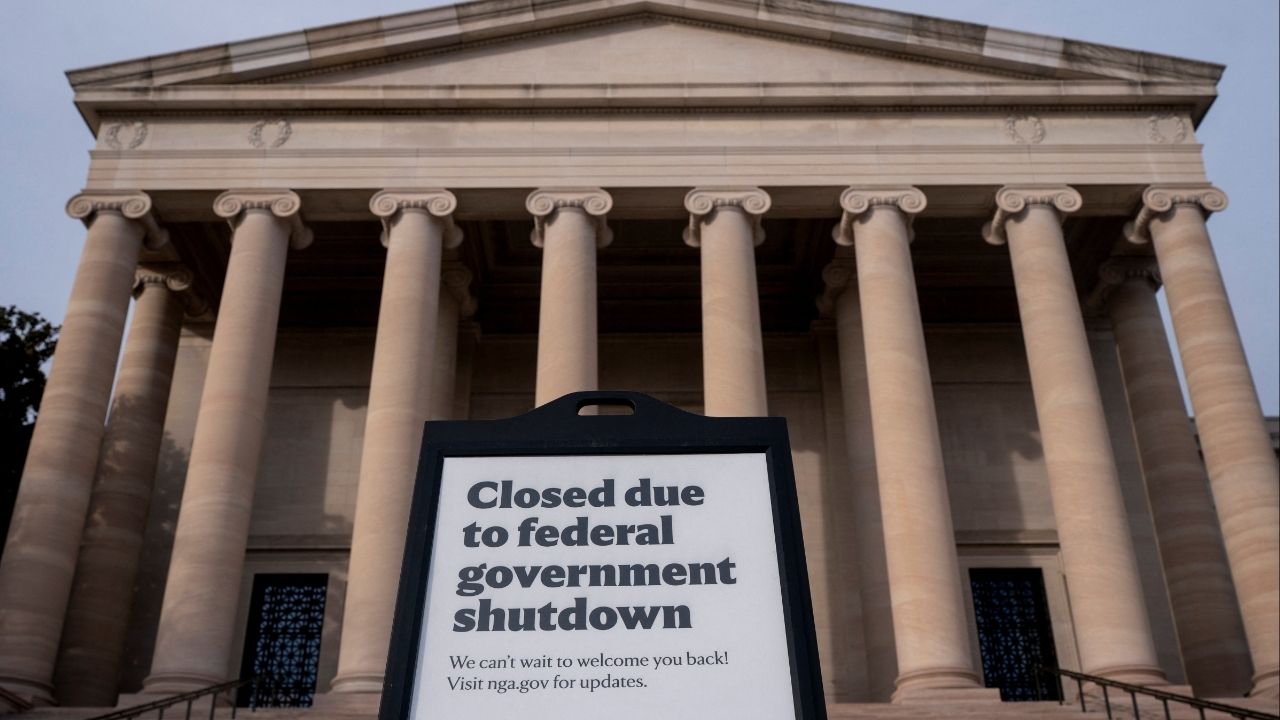
A record 43-day shutdown of the government has delayed economic releases. The October employment and consumer price reports have been canceled because the shutdown prevented the collection of data, which could not be done retroactively.

“For example, if the typical process allows 10 business days to obtain response, narrow it to seven days,” the agency said. “For construction indicators that use field representatives, there may be an opportunity to collect two reference periods simultaneously.”
It was also temporarily reallocating resources to prioritize high-value review and correction while ensuring the shorter analysis period would not negatively impact data quality. While there were no changes to the treatment of nonresponses as the process was automated, the Census Bureau said more attention was being paid to “mitigate any negative effects of reduced response stemming from a shorter collection window.”
There was minimal change to the seasonal adjustment process, which is mostly automated. The agency, however, said “there may be an opportunity to readjust resources to help fast-track review and validation component of seasonal adjustment.”
Seasonal adjustment is used to strip out seasonal fluctuations from economic data. The Census Bureau is also temporarily reallocating resources to fast-track review, approval and dissemination processes.
“By leveraging the strategies above, a Census Bureau PFEI such as monthly wholesale trade could temporarily reduce its total processing time from 30 to 20 days,” the agency said.
“If the indicator is starting 40 days behind schedule due to the lapse (in government funding), it could return to its original release cadence within four reference periods after implementing the acceleration strategy.”
—
(Reporting By Lucia Mutikani)