
|
Getting your Trinity Audio player ready...
|
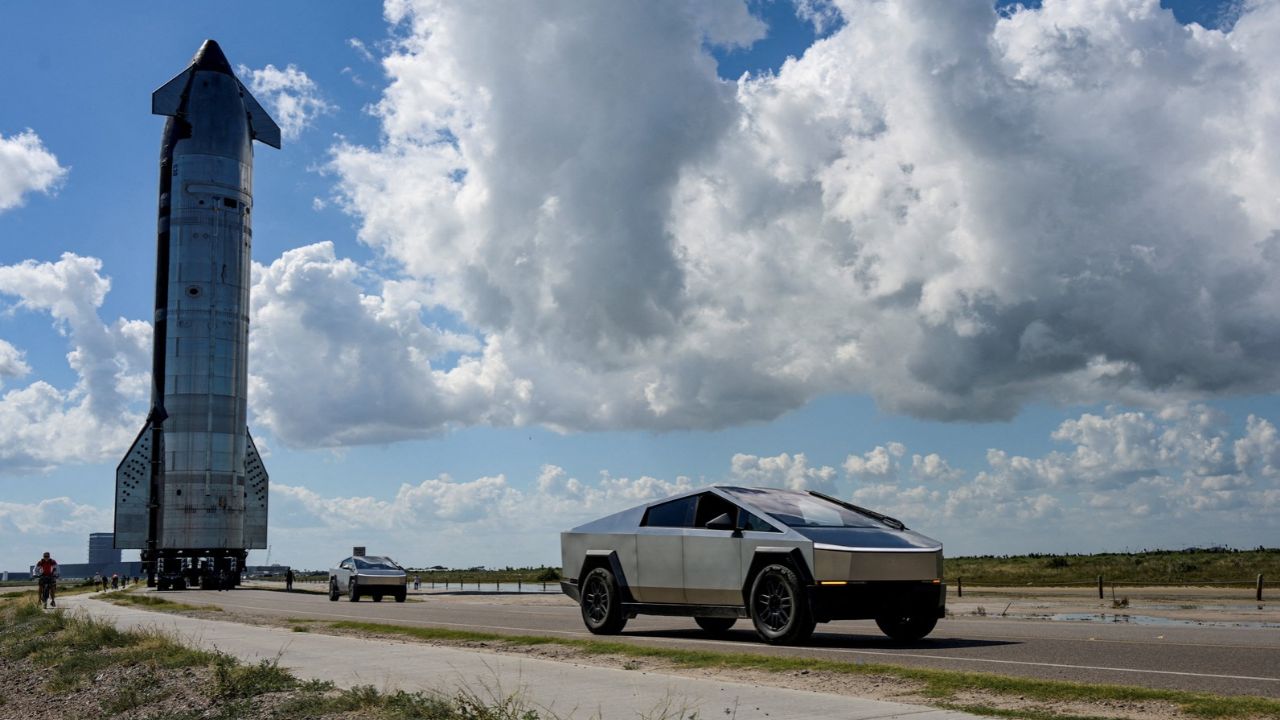
A Tesla-SpaceX merger appears to be a matter of when, not if, to many on Wall Street. But they disagree on a key factor: how much Tesla shareholders should be paid.
That tension runs through a deal where predictions on the premium Tesla shareholders would get to swap into a stock of SpaceX that Elon Musk controls run from little or none to 35%.
With Tesla worth about $1.5 trillion, the premium could run into hundreds of billions of dollars, making it a major swing factor in any deal.

The billionaire, a self-described ‘conflicted party’, said the committees are yet to agree on terms, even as Wall Street sees a deal being proposed in the coming months.
Tesla shares gained more than 3%, while SpaceX rose 11% on Wednesday and was set to add about $210 billion to its market capitalization if gains hold, roughly equal to that of CitiGroup.
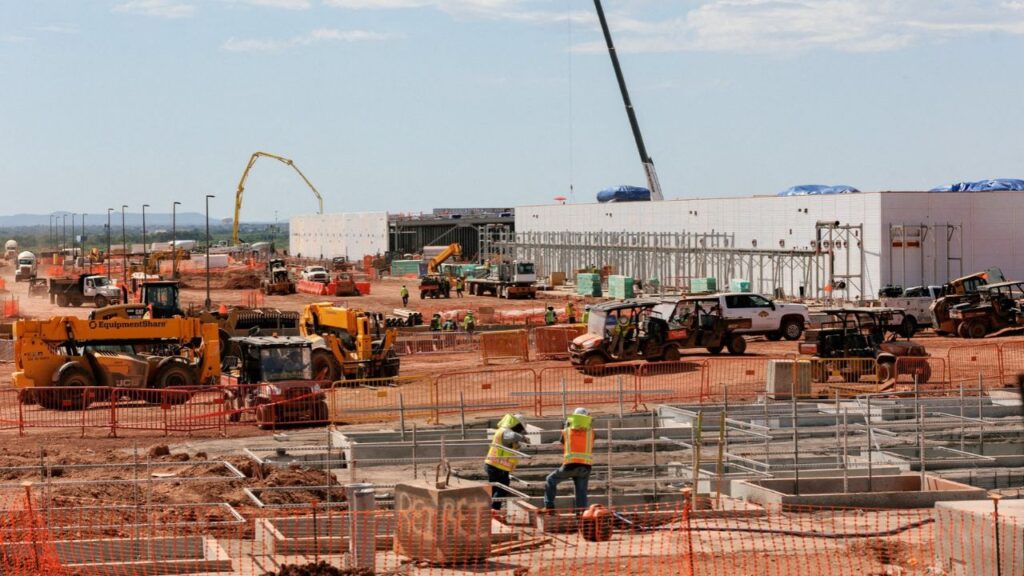
SpaceX and Tesla are jointly developing the Terafab chip plant, and AI now makes up more than half of SpaceX’s revenue, with another $35 billion to $40 billion spending likely in fourth quarter to fund further expansion.
“(A Tesla-SpaceX merger) is very strategic as both companies are rapidly transitioning into artificial intelligence and autonomous systems, and both have huge infrastructure projects underway,” said Justus Parmar, CEO of Fortuna Investments and an investor in both companies.
“It would also avoid redundancy and the time he spends going back and forth between two entities, and there would be a reduction in public company overhead, legal costs and administrative burdens.”
Analysts have said that burgeoning capital spending for expensive AI and space infrastructure would weigh on SpaceX’s free cash flow, a strain a combined company could ease by sharing services and borrowing jointly with Tesla.
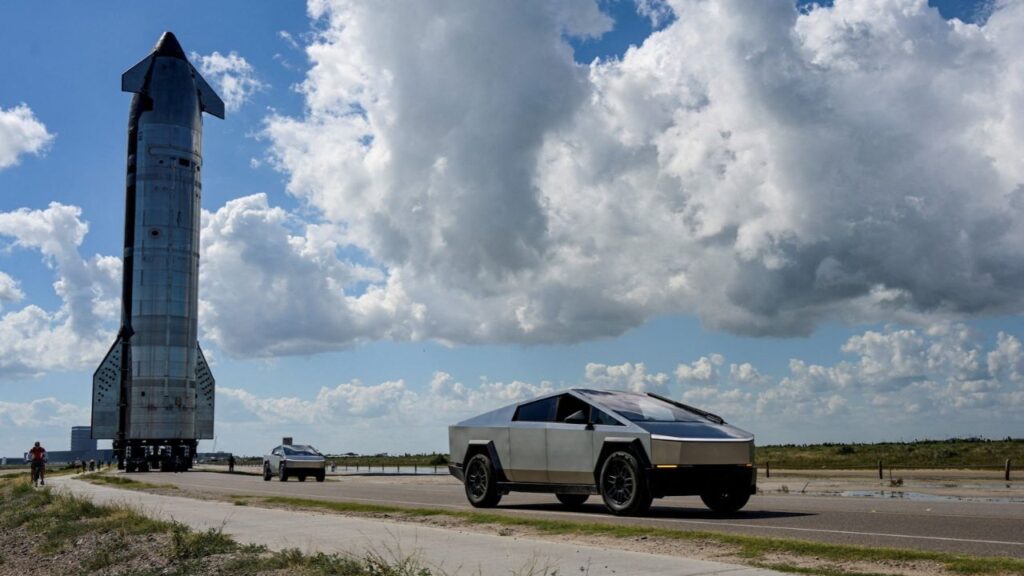
They also pointed to last week’s Roadster unveiling, where a Tesla car built with SpaceX rocket thrusters flipped and leapt over vehicles, as a teaser for what a combined company could produce.
However, much of the technology on which the lofty valuations of the companies are based, including data centers in orbit, self-driving taxis at scale and humanoid robots, has yet to reach commercial scale.
That would take years of heavy spending and engineering, adding execution risk to a deal already facing questions over governance and price.
“The big reason why this makes so much sense is that what Tesla is doing SpaceX needs and what SpaceX is doing Tesla needs,” Gene Munster, managing partner at Tesla investor Deepwater Asset Management, said on X.
“And both of them operate under the grand vision which is Elon building a true vertical AI company.”
Premium – the Next Battle
Price is likely to be the next fight. Tesla shareholders would be swapping a stake in an independent company, where Musk holds about 20% of the vote, for shares in SpaceX that Musk controls.
RBC Capital Markets and JPMorgan analysts expect investors would want a premium of between 20% and 35%, but some do not expect a premium.
Ross Gerber, CEO of Gerber Kawasaki, whose firm owns both stocks, argues that any premium would dilute SpaceX shareholders as its spending bills rise.
Michael Monaghan of Founder ETFs said the overlap between the two shareholder bases means he does not expect a substantial premium.
Tesla Vote Is the Hurdle
Control may also be part of Musk’s appeal for a merger. Musk holds about 85% of SpaceX’s voting power through super-voting shares. But at Tesla he has roughly 20%.
Bill Birmingham, head of research at REX Financial, estimates a merger would give the billionaire about 57% of voting rights.
Ryan Zurrer, founder of Dialectic, puts it at 58% at an exchange ratio of 0.7 of one SpaceX share, the illustrative level Barclays has floated.
No ratio has been negotiated. Zurrer said a ratio near 0.6 would be needed for Musk to keep control if he sold more equity, and that “the biggest hurdle will be the Tesla shareholders vote vs Elon’s own incentives”.
Musk said Tesla side needs a majority of all shares, not just those voted, so every uncast ballot counts against a deal. Analysts have flagged turnout as a risk, citing uncast broker votes at last year’s meeting as a potential factor that could affect chances of a deal going through.
Governance and regulatory questions would follow. When Tesla bought SolarCity in 2016, a Delaware court cleared it after years of litigation but said it should have formed an independent committee.
“A deal where one man runs both sides will draw tough questions on governance,” said Josh Gilbert, lead analyst for APAC at eToro.
Tesla is set to report third-quarter results after markets close. Analysts said they were also watching out for disclosures of merger talks in regulatory filings ahead of the automaker’s December 3 annual shareholder meeting.
(Reporting by Abhirup Roy in San Francisco and Akash Sriram in Bengaluru; Additional reporting by Arpan Daniel Varghese in Bengaluru; Editing by Arun Koyyur)