
|
Getting your Trinity Audio player ready...
|
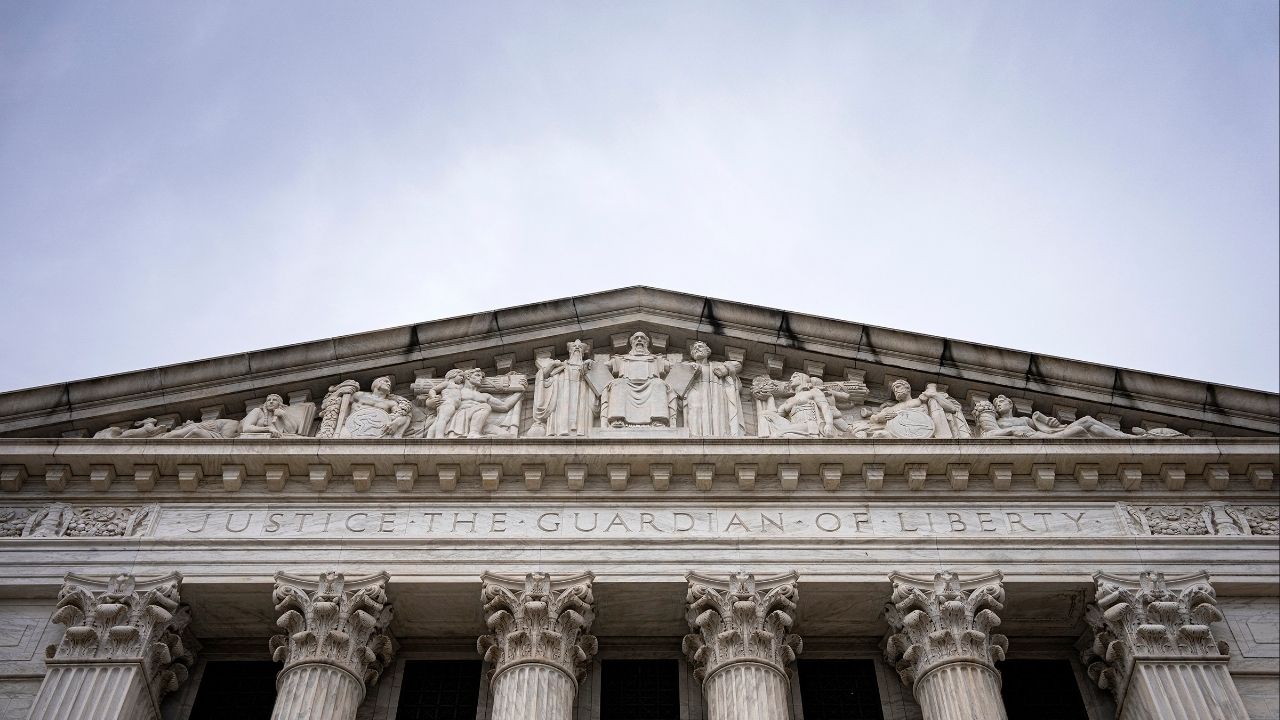
The U.S. Supreme Court on Tuesday rejected a Colorado law that banned psychotherapists from using “conversion” talk therapy intended to change an LGBT minor’s sexual orientation or gender identity, siding with a Christian licensed counselor who challenged the law on free speech grounds.
The justices, in a 8-1 ruling, reversed a lower court‘s decision that had upheld the law in a case brought by Kaley Chiles, who argued that it violated the U.S. Constitution’s First Amendment protections against government abridgment of free speech.
The ruling, authored by conservative Justice Neil Gorsuch, rejected Colorado’s argument that its law regulated professional conduct, not protected speech. The court held open the possibility that the law could apply to certain forms of conversion therapy, including so-called “aversive” physical interventions, but not to Chiles’ speech at issue here.

“Colorado’s law addressing conversion therapy does not just ban physical interventions. In cases like this, it censors speech based on viewpoint,” Gorsuch wrote. “Colorado may regard its policy as essential to public health and safety. Certainly, censorious governments throughout history have believed the same. But the First Amendment stands as a shield against any effort to enforce orthodoxy in thought or speech in this country.”
Justice Returned Case to Lower Court
The justices returned the case to the lower court for further proceedings under a more rigorous First Amendment standard.
Liberal Justice Ketanji Brown Jackson dissented.
Democratic Colorado Governor Jared Polis, the first openly gay man to be elected as a U.S. state governor and a critic of conversion therapy, signed the measure into law in 2019. Republican President Donald Trump’s administration backed Chiles in the challenge to the law.
The dispute pitted Colorado’s authority to forbid a healthcare practice that it calls unsafe and ineffective against First Amendment speech protections.
Colorado is among more than two dozen states and the District of Columbia that restrict or prohibit conversion therapy for patients younger than 18. Colorado had said in court papers that ruling in favor of Chiles would undermine the power of states to protect patients from substandard care.
The challenged law prohibits licensed mental healthcare providers from seeking to change a minor’s sexual orientation or gender identity according to a predetermined outcome, with each violation punishable by a fine of up to $5,000. This includes attempts to reduce or eliminate same-sex attraction or change “behaviors or gender expressions.”
Medical groups such as the American Psychological Association have cited studies showing that this type of talk therapy has been associated with harms including an increased likelihood of transgender minors attempting suicide or running away from home.
Colorado’s law does permit treatments that provide “assistance to a person undergoing gender transition,” as well as therapies centered on “acceptance, support and understanding” for “identity exploration and development.”
Chiles, a practicing Christian, has said she “believes that people flourish when they live consistently with God’s design, including their biological sex.” Chiles was represented by the Alliance Defending Freedom, a conservative religious rights group that previously secured high-profile Supreme Court victories on behalf of a baker and wedding website designer who refused, based on their Christian beliefs, to serve gay couples.
During arguments in the case in October, Colorado Solicitor General Shannon Stevenson faced pushback from the court‘s conservative justices on her claim that Colorado’s law regulates professional conduct, not protected speech. She argued that states should not lose their longstanding power to regulate safety in healthcare “just because they are using words.”
Conservative Chief Justice John Roberts replied that the court‘s precedents make clear that “just because they’re engaged in conduct doesn’t mean that their words aren’t protected.”
James Campbell, a lawyer for Chiles, told the justices during arguments that Colorado’s law “forbids counselors like Kaley Chiles from helping minors pursue state-disfavored goals on issues of gender and sexuality.”
Conservative Justice Samuel Alito said the measure appeared to allow therapists to help a patient feel comfortable about being gay while barring them from helping a patient who seeks to “end or lessen” their same-sex attraction.
In another case involving LGBT youths, the Supreme Court on March 2 blocked a series of California laws that limited the sharing of information with parents about the gender identity of transgender public school students without the child’s permission, handing a victory to Christian parents who challenged these protections.
The court heard arguments in January over the legality of state laws banning transgender athletes from female sports teams and is expected to issue a ruling in that case by the end of June.
—
(Reporting by John Kruzel with additional reporting by Andrew Chung; Editing by Will Dunham)