
|
Getting your Trinity Audio player ready...
|
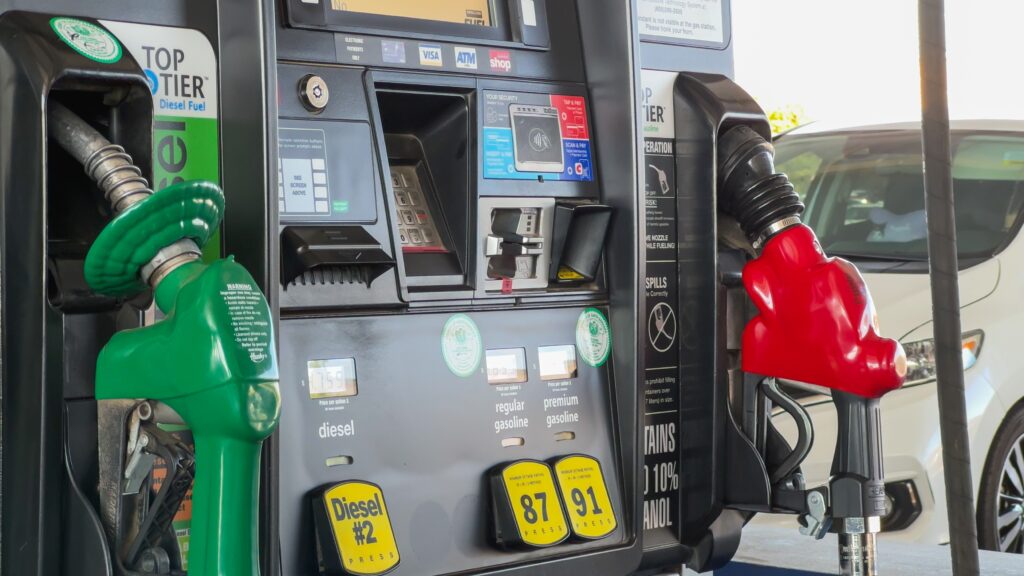
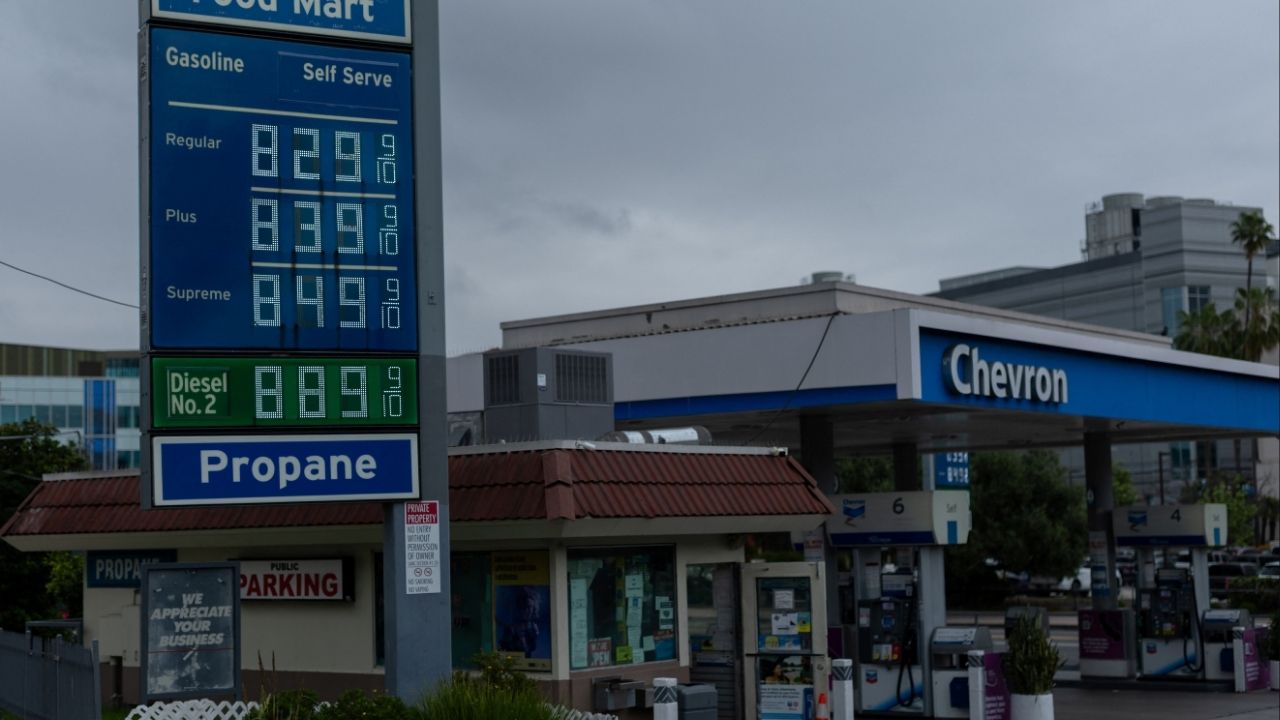
U.S. average gasoline prices rose above $4 a gallon on Monday for the first time in more than three years, capping the sharpest monthly rise in decades, data from price tracking service GasBuddy showed, as the U.S.-Israeli war on Iran roiled global energy markets.
The $4 per gallon milestone was last reached in August 2022 after Russia invaded Ukraine. Some analysts have called this level a psychological barrier for consumers. Prices for crude oil used to make gasoline have also surged, along with prices for many goods, since Iran blocked most shipping through the Strait of Hormuz.
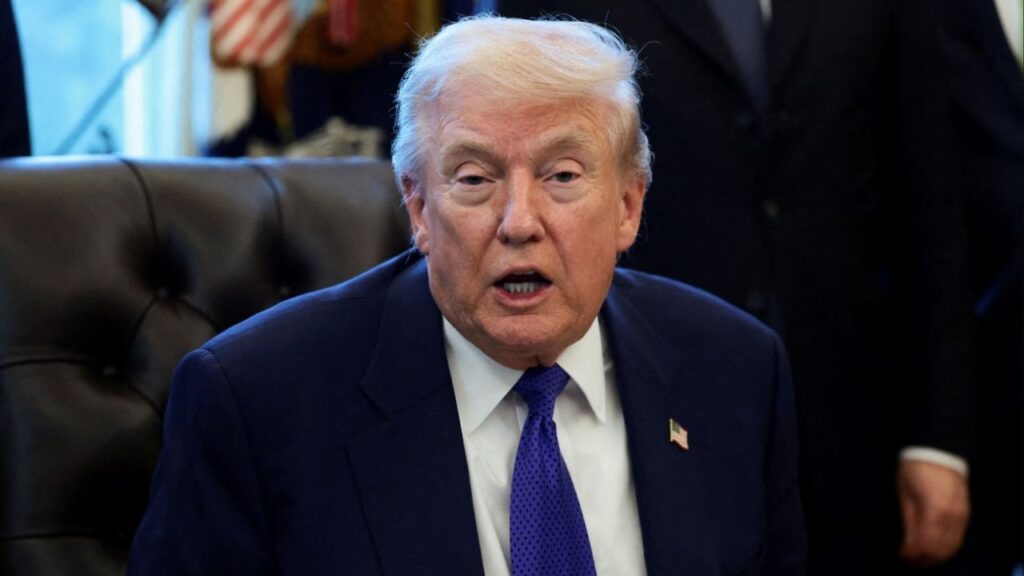
U.S. households were already squeezed by rising costs even before gasoline prices started to rise. This has created a political headache for President Donald Trump and his Republican Party’s lawmakers campaigning to hold thin majorities in both houses of the U.S. Congress in November midterm elections.

Trump had vowed to lower energy prices and ramp up U.S. oil and gas production. So far, much of his second term has been marked by volatile markets, geopolitical turmoil and shifting policies on issues such as tariffs.
U.S. national average retail gasoline prices have climbed about $1.06 a gallon, or 36%, since the U.S. and Israel attacked Iran at the end of February. The monthly increase in retail gasoline prices in March is the steepest in GasBuddy data going back to 2000.
“The price spike will impact near-term economic data,” Macquarie analysts said last week about the possibility of U.S. gasoline average surging past $4 a gallon. “There should be higher inflation figures and a potential lift to nominal spending growth,” the analysts said.
Steps to Control Pump Prices Prove Ineffective
Pump prices could climb further as crude oil prices have kept surging on signs of escalation in the Middle East war. On Monday, U.S. oil futures settled above $100 a barrel and stayed near that level on Tuesday, up around $33 a barrel since the U.S. and Israel attacked Iran at the end of February.
“(Oil) prices now face a higher-for-longer baseline,” Societe Generale analysts said on Monday.
Trump’s administration has taken steps to assuage the rise in energy prices as the war has dragged on, including a 60-day waiver of the Jones Act shipping law. The waiver temporarily allows foreign-flagged vessels to move fuel, fertilizer and other goods between U.S. ports.
The U.S. government has also agreed to release oil from the Strategic Petroleum Reserve as part of a globally coordinated effort to control rising oil prices. Last week, Washington suspended anti-smog regulations on seasonal gasoline blends sold in the U.S.
Analysts said the efforts so far have only helped slow the surge in fuel prices and would be ineffective in pushing them lower as long as the war in the Middle East rages on.
Some 55% of respondents in a Reuters/Ipsos poll said their household finances had taken at least “somewhat” of a hit from higher gasoline prices. Among those seeing an impact, 21% said their finances were affected “a great deal.”
“The key issue is not simply crude oil itself. It is gasoline, the most visible price in the economy for consumers, and when that price jumps it hits psychology immediately,” Jeremy Siegel, economist at WisdomTree, said in a note. “That matters, even if the broader economic effect is more balanced than the headlines.”
—
(Reporting by Nicole Jao and Shariq Khan in New York, Noel John in Bengaluru; Editing by Liz Hampton, Lincoln Feast and David Gregorio)