

|
Getting your Trinity Audio player ready...
|
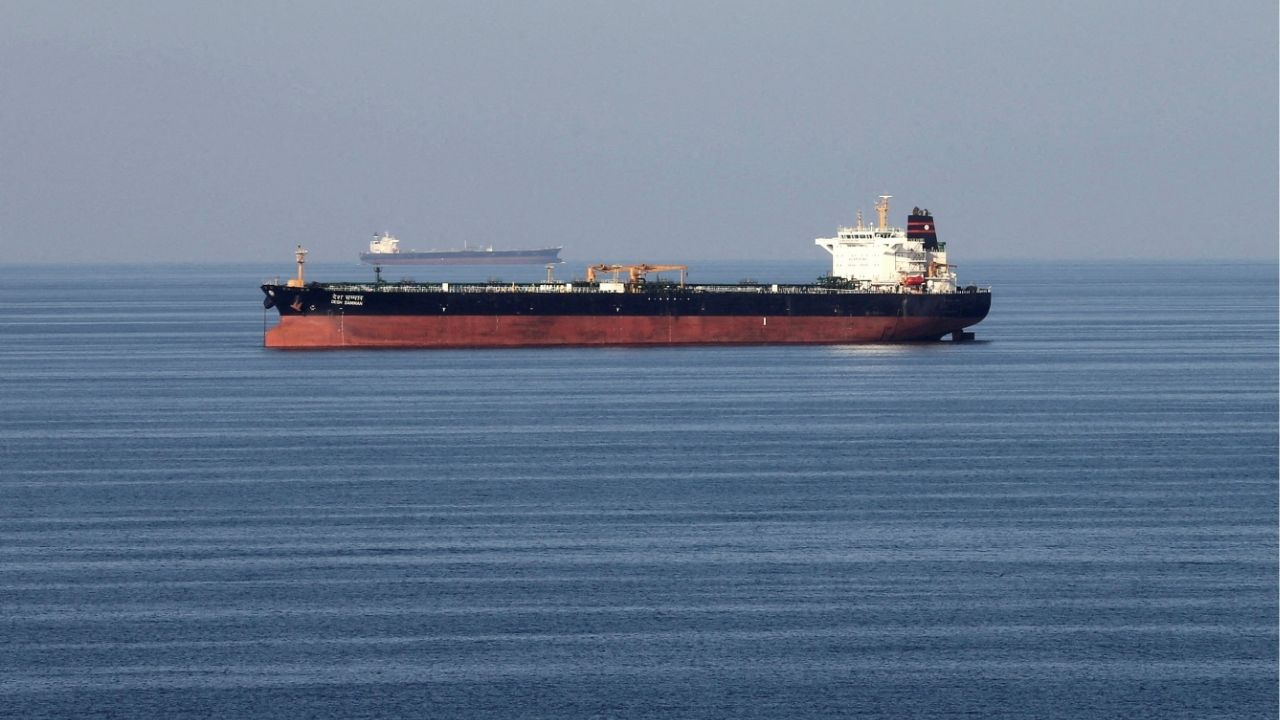
A Kuwaiti oil tanker laden with oil erupted in flames after it was attacked early Tuesday while anchored off the coast of Dubai, United Arab Emirates, Kuwaiti authorities said.
The attack, which the Kuwaitis blamed on Iran, came a day after President Donald Trump injected new uncertainty into global energy markets by threatening again to begin obliterating Iranian targets if Iran’s new leaders did not agree to reopen the Strait of Hormuz.
The Kuwaiti Petroleum Corp. said the tanker, called Al-Salmi, had been fully loaded with crude oil when struck in what it called an Iranian attack. The vessel’s hull sustained damage, the company said, adding that the damage could potentially lead to an oil spill in surrounding waters.

No Injuries Reported
No injuries were reported among the tanker’s 24 crew members, the media office of Dubai’s government said. It added that the Dubai authorities were responding to an episode involving a drone and a Kuwaiti oil tanker that caught fire in Emirati waters. Maritime firefighting teams had been working to bring the fire under control and later said it had been extinguished.
Iran did not immediately respond to reports of the attack.
Maritime intelligence company Tanker Trackers said that, according to its tracking information, 2 million barrels of crude were on board the vessel — about 1.2 million from Saudi Arabia and about 800,000 from Kuwait.
The attack came as Trump has sought to pressure Iran to yield to his demands and end its chokehold over the strait, a vital shipping route for oil and natural gas, by alternating threats of destruction with unverified claims of diplomatic breakthroughs. Iran has denied holding substantive talks with the United States, and has rejected the Trump administration’s conditions as unreasonable.
Nervous Day for the Energy Markets
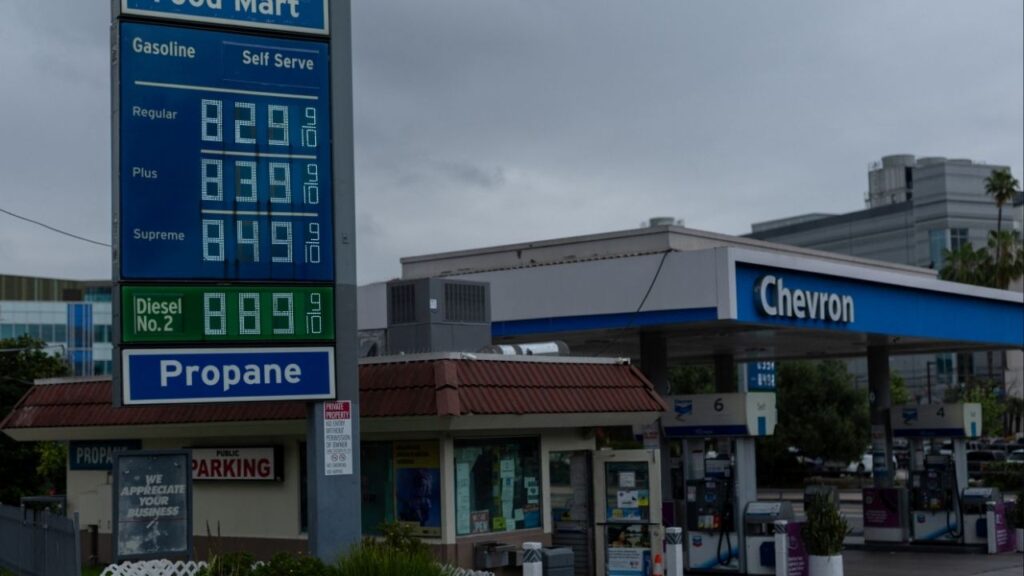
The mixed messages led to another nervous day for energy markets: The price of Brent crude, the global benchmark for oil, briefly rose to $116 a barrel Monday before falling back.
The war, now in its fifth week and rattling much of the Middle East, continued to rage. In Israel, the military said it had destroyed more than 100 high-rise buildings in the Beirut area, claiming they were being used as command structures by Hezbollah, the Iranian-backed militia. And NATO said its air defenses had shot down a ballistic missile that had entered Turkish airspace, the fourth such interception since the start of the war.
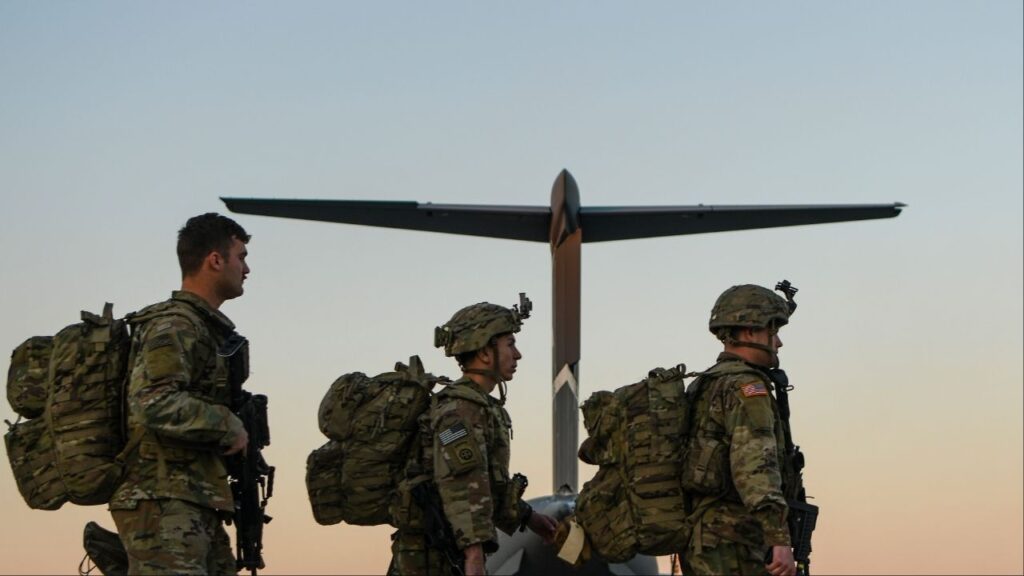
As Trump strains to find an end to a conflict he originally mused would last four to five weeks, he has alternately narrowed his aims — arguing Sunday that “regime change” in Iran had already been achieved — and raised the prospect of escalation, ordering thousands more U.S. troops to the Middle East, including Marines and Special Operations Forces.
His latest threats came in a social media post Monday morning in which he claimed there had been “great progress” in talks with Iran but warned that if the negotiations failed to produce an agreement he would order the bombardment of Iranian power plants, oil production infrastructure and, potentially, desalination plants.
Experts have noted that attacking power and water plants can be considered a war crime.
Here’s what else we’re covering:
— Toll vote: A parliamentary committee in Iran approved a plan to impose tolls on ships crossing the Strait of Hormuz, the semiofficial news agency Fars reported Monday. The plan, which would also ban transit by American and Israeli ships, requires further approval by the full Parliament. The strait is considered an international waterway, and Secretary of State Marco Rubio has said tolls would be illegal.
— University threat: Iranian officials have condemned U.S. military attacks on universities across the country and warned of possible retaliation against U.S. universities in the region.
— Lebanon: Prime Minister Benjamin Netanyahu said he had ordered Israeli forces to increase the territory they control in southern Lebanon, adding to fears among many Lebanese of a long-term military occupation of the area. Lebanon’s president has denounced Israel’s campaign there against Hezbollah, the Iran-backed militia.
— Peacekeepers killed: Two United Nations peacekeepers were killed in southern Lebanon on Monday when their convoy was “struck by an explosion of undetermined origin,” according to a U.N. report seen by The New York Times. A day earlier, an Indonesian peacekeeper was killed in a separate attack amid clashes between Israel and Hezbollah.
— Casualties: The Human Rights Activists News Agency said at least 1,574 civilians had been killed, including 236 children, in Iran since the war began a month ago. Lebanon’s health ministry said, more than 1,230 Lebanese had been killed as of Sunday, with more than 3,543 others wounded, since the latest fighting between Israel and Hezbollah began. In Iran’s attacks across the Middle East, at least 50 people have been killed in Gulf nations. In Israel, 17 have been killed as of Friday. The U.S. death toll stands at 13 service members, with hundreds of others wounded.
This article originally appeared in The New York Times.
By Ephrat Livni, David E. Sanger, Aaron Boxerman and Erika Solomon
c.2026 The New York Times Company