|
Getting your Trinity Audio player ready...
|
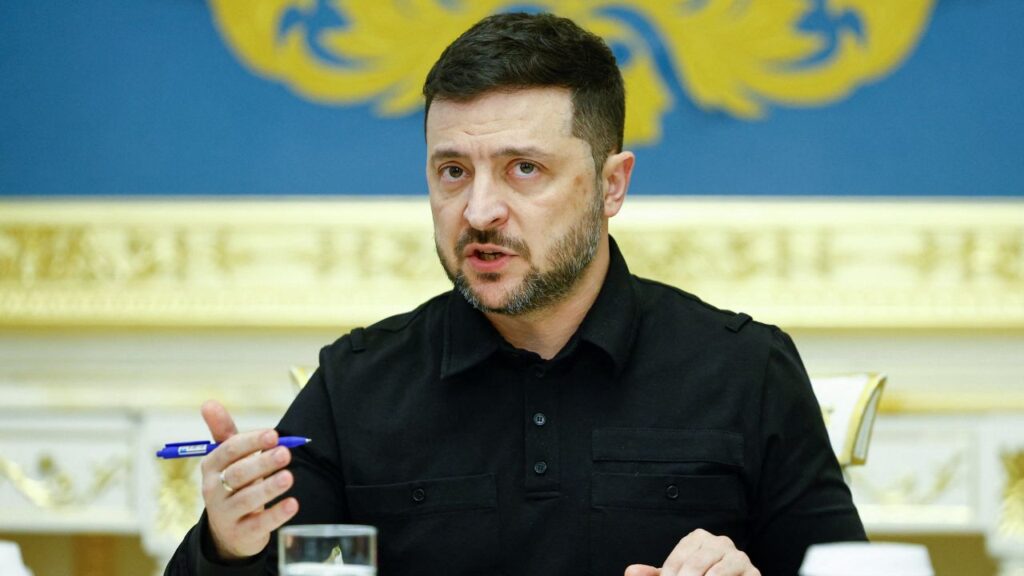
A U.S. proposal for ending nearly four weeks of fighting is “one-sided and unfair,” a senior Iranian official told Reuters on Thursday, while U.S. President Donald Trump said Iran must make a deal or face a continued onslaught.
The Iranian official said the proposal, conveyed to Tehran by Pakistan, “was reviewed in detail on Wednesday night by senior Iranian officials and the representative of Iran‘s Supreme Leader.”
It lacked the minimum requirements for success and served only U.S. and Israeli interests, the official said, while stressing that diplomacy had not ended despite the lack for now of a realistic plan for peace talks.

Trump described the Iranians as “great negotiators” but added that he was not sure he was “willing to make a deal with them to end the war.”
Iran has launched strikes against Israel, U.S. bases and Gulf states as well as effectively blocking Middle East fuel exports via the Strait of Hormuz since the U.S. and Israel attacked Iran on February 28.
“They now have the chance, that is Iran, to permanently abandon their nuclear ambitions and to join a new path forward,” Trump said during a Cabinet meeting at the White House.
“We’ll see if they want to do it. If they don’t, we’re their worst nightmare. In the meantime, we’ll just keep blowing them away.”
Oil jumped to $105 a barrel on Thursday and stock markets fell on renewed pessimism over ceasefire prospects as global plastics, technology, retail and tourism struggled with the impact.
Strait of Hormuz a Crucial Issue
Trump suggested on Thursday that Iran let 10 oil tankers transit the Strait of Hormuz as a goodwill gesture in negotiations, including some Pakistan-flagged vessels, elaborating on what he had described as a “present” from Iran.
The president, who is expected to send thousands of troops to the Middle East, driving expectations of a ground invasion, also said taking control of Iran‘s oil was an option but gave no further details.
A note seen by Reuters on Tuesday to the United Nations from Iran said “non-hostile vessels” could transit the strait if they coordinated with Iranian authorities.
A Thai oil tanker has passed through the strait following diplomatic coordination with Iran, and Malaysia said its vessels were also being allowed to transit in a sign that restrictions were loosening for some countries. Iran would be receptive to any request from Spain related to the strait, its embassy in Madrid said, in the first such offer to an EU state.
U.S. Special Envoy Steve Witkoff confirmed that the U.S. had sent a “15-point action list” as a basis for negotiations to end the war.
Pakistan’s foreign minister said “indirect talks” between the U.S. and Iran were taking place through messages relayed by Islamabad, with other states including Turkey and Egypt also supporting mediation efforts.
Any talks, were they to happen, would likely prove very difficult given the positions laid out by both sides.
The 15-Point Peace Proposal
According to sources and reports, the 15-point proposal includes demands ranging from dismantling Iran‘s nuclear program and curbing its missiles to effectively handing over control of the strait.
Iran has hardened its stance since the war began, demanding guarantees against future military action, compensation for losses, and formal control of the strait, Iranian sources say.
It also told intermediaries that Lebanon must be included in any ceasefire deal, regional sources said.
Trump has not identified who the U.S. is negotiating with in Iran, with many high-ranking officials among the thousands of people killed in the war across the Middle East.
Israel removed Iranian Foreign Minister Abbas Araqchi and Parliamentary Speaker Mohammad Baqer Qalibaf from its hit list after Pakistan urged Washington to press Israel not to target them, a Pakistani source with knowledge of the discussions told Reuters. An Israeli military spokesperson declined to comment.
A Western diplomat said the U.S. had taken a “maximalist” position and it was not clear if Washington was seeking to end the war or to calm markets before a potential ground operation.
Waves of Missiles
On Thursday, Iran launched multiple waves of missiles at Israel, striking Tel Aviv, Haifa and other areas, including a Palestinian town in central Israel.
At least one ballistic missile hit Tel Aviv, according to the military, while others carried cluster munitions that dispersed smaller explosives, damaging homes and cars. Israel’s ambulance service said a man was killed in Nahariya after Hezbollah fired a rocket barrage at the northern city.
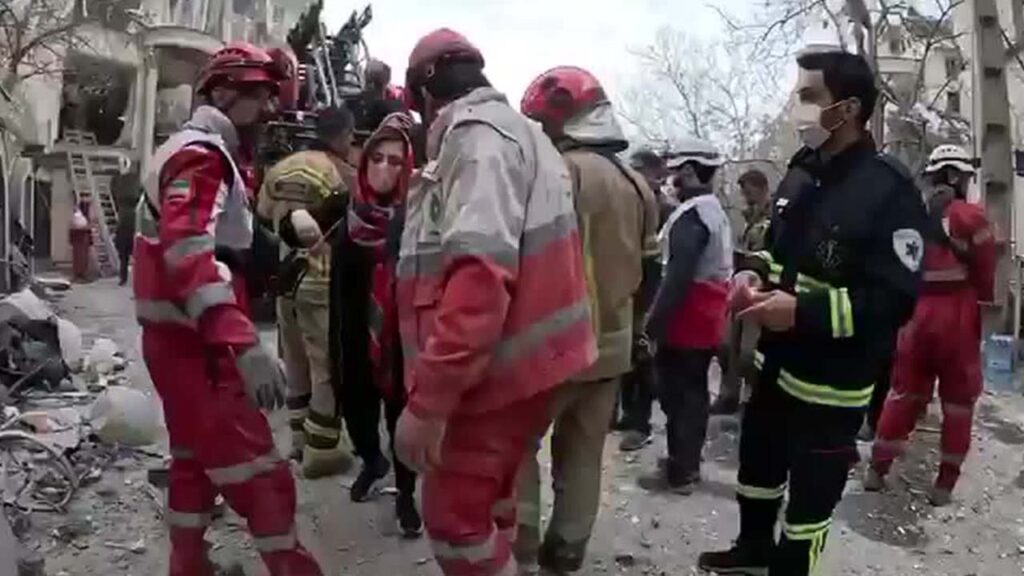
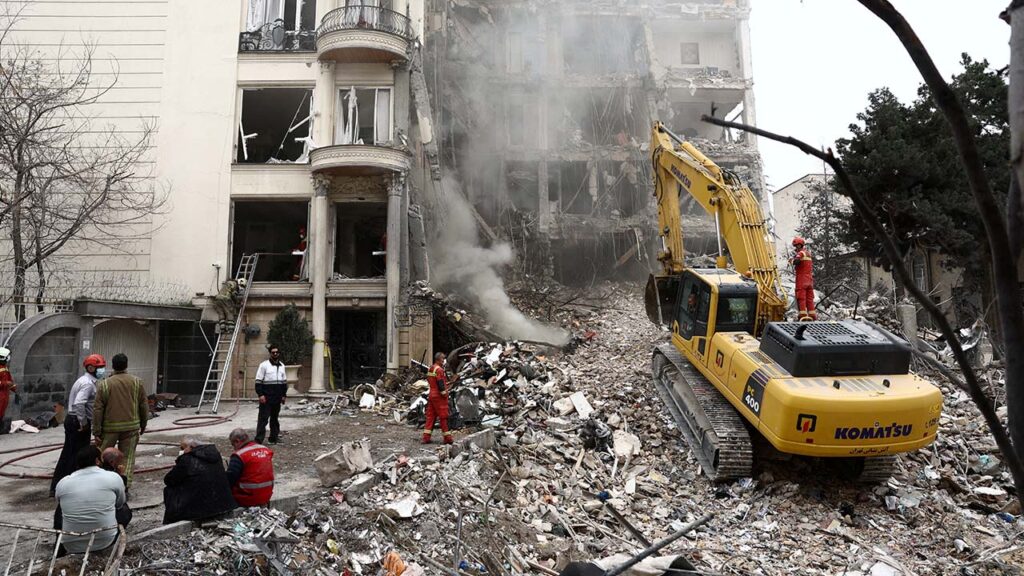
In Iran, strikes hit a residential zone in the southern city of Bandar Abbas and a village on the outskirts of the southern city of Shiraz, where two teenage brothers were killed, Iran‘s Tasnim news agency said. A university building in Isfahan was reported to have been hit.
U.S. and Israeli officials said Israel had killed the naval commander of Iran‘s Revolutionary Guards, and that it had many more targets left as it degraded Iranian capabilities.
—
(Reporting by Reuters bureau; Writing by Aidan Lewis and Keith Weir; Editing by Gareth Jones and Philippa Fletcher)