
|
Getting your Trinity Audio player ready...
|
Iran has told intermediaries that Lebanon must be included in any ceasefire agreement with the United States and Israel, six regional sources familiar with Iran’s position said, linking an end of the war to a halt to Israel’s offensive against Hezbollah.
Iran’s Press TV on Wednesday cited an Iranian official saying Tehran wanted any deal with the United States to secure an end to the war both on Iran and other “resistance groups” in the region.
A senior Iranian official told Reuters on Wednesday that Tehran was still reviewing a U.S. proposal to end the regional war raging for nearly a month, indicating that Tehran had so far stopped short of rejecting it outright.

The six regional sources, who spoke on condition of anonymity due to the sensitivity of the matter, said Tehran had informed mediators as early as mid-March that it sought a deal that would also stop Israel’s attacks on Lebanese armed group Hezbollah.
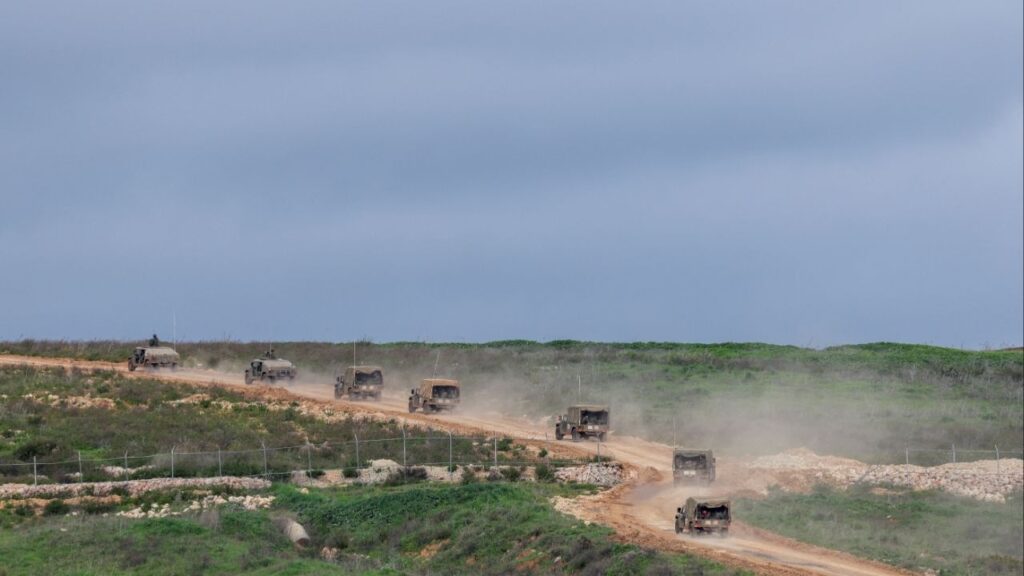
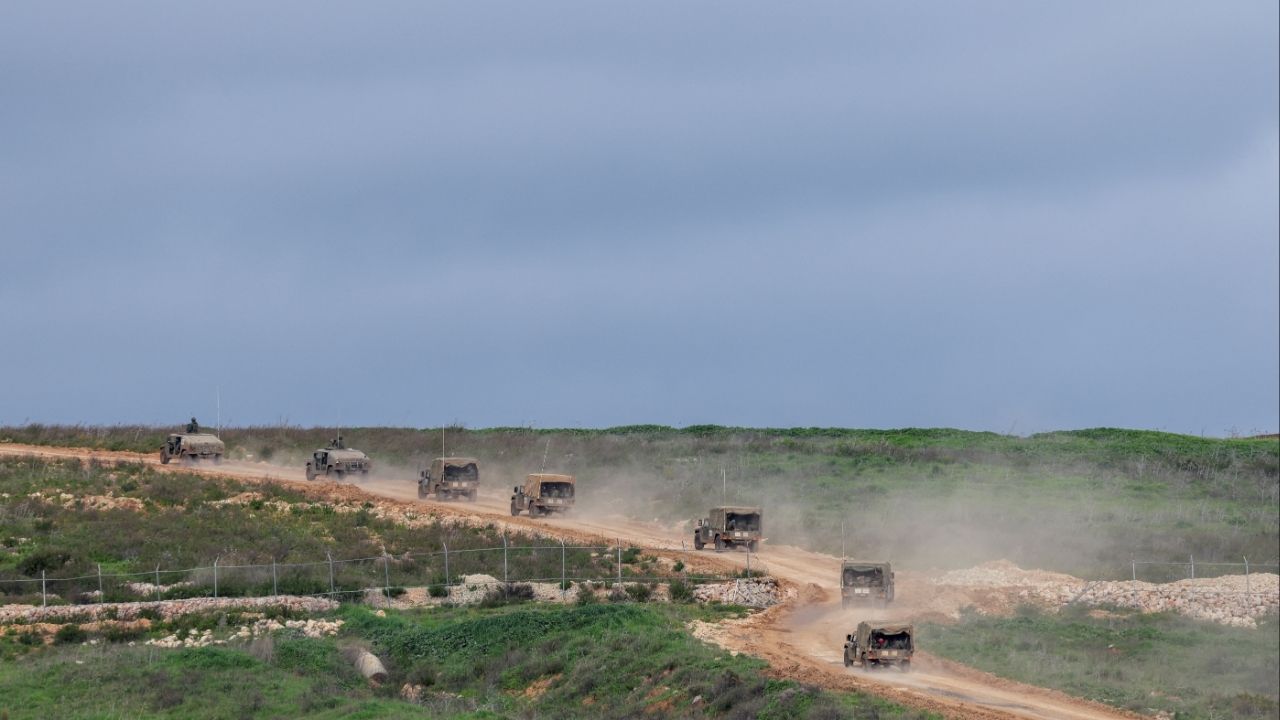
Hezbollah was founded by Iran’s Revolutionary Guards in 1982 and is widely seen as the spearhead of Iran’s regional alliance of armed actors. It opened fire on Israel on March 2 in solidarity with Tehran, triggering an Israeli air and ground campaign in Lebanon.
There was no immediate response from Iran’s foreign ministry, Israel’s foreign ministry or the Israeli military to questions from Reuters on the matter.
A senior Trump administration official said ending Iran’s “proxy activities” and disarming Hezbollah were “crucial to ensuring peace and stability in Lebanon and across the region.”
‘Iranian Guarantees’
One of the regional sources told Reuters that Hezbollah had received “Iranian guarantees” on its inclusion in any wider deal.
“Iran is prioritizing Lebanon – it will not accept Israeli violations in Lebanon like what happened after the 2024 ceasefire,” the source said, referring to Israel’s continued strikes on Lebanon despite a 2024 truce that ended the last Hezbollah-Israel war.
Such a link would reaffirm Tehran’s ties to Hezbollah at a time of political turmoil in Beirut, where the Shi’ite Muslim group’s decision to enter the war has sharpened long-standing tensions with other sectarian factions.
Hezbollah was long a dominant force in the Lebanese state. But its influence waned dramatically after the group was pummeled by Israel in 2024 and a new government in Lebanon made unprecedented demands for it to disarm and banned its military activities.
Lebanon’s foreign ministry on Tuesday declared the appointed Iranian ambassador persona non grata. Hezbollah and other leading Shi’ite Muslim figures in the country condemned the move and said the envoy should stay.
A foreign official in Beirut familiar with Hezbollah’s position said the group hoped an Iran-backed truce would help it bolster its political position in Lebanon.
Hezbollah Counted on Joint Ceasefire
Israel’s foreign ministry has said that “Israel has not conducted and does not conduct negotiations with the Iranian terror regime.”
A source briefed on Israel’s military strategy has said Israeli attacks on Hezbollah would likely continue after the air war with Iran, describing the two fronts as unconnected.
Hezbollah’s calculations in joining the conflict were based on Iran’s clerical leadership surviving the war and a regional ceasefire that would include the Lebanese group, according to four Lebanese sources.
Israeli strikes since March 2 have killed more than 1,000 people in Lebanon and displaced more than a million, Lebanese authorities say.
—
(Additional reporting by Rami Ayyub and Emily Rose in Jerusalem; Writing by Tom Perry and Maya Gebeily; Editing by Daniel Wallis)