
|
Getting your Trinity Audio player ready...
|
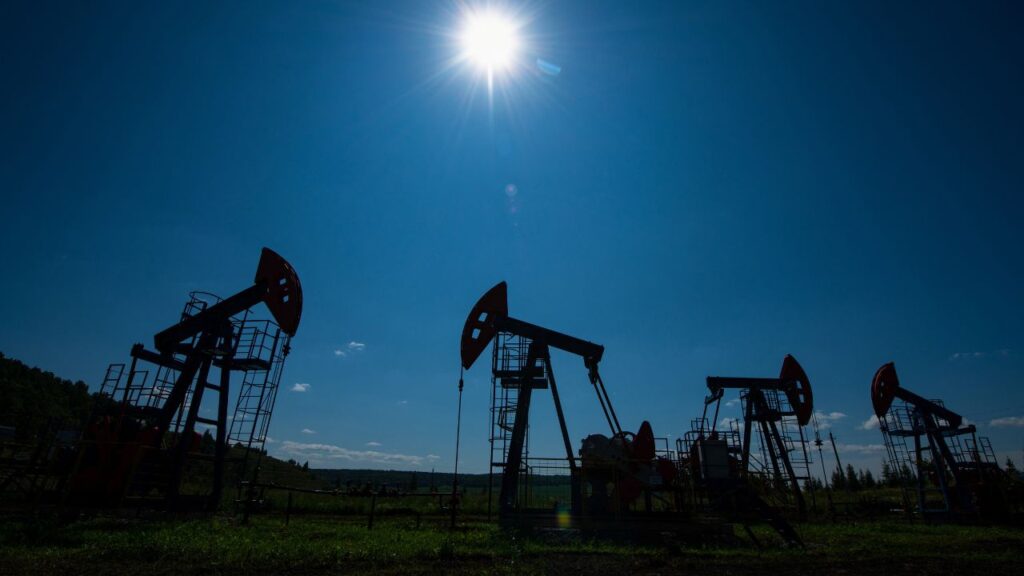
Oil rallied on Tuesday as the biggest crude supply disruption persisted and Iran denied it held talks with the United States to end the war in the Gulf, contradicting U.S. President Donald Trump, who said a deal could be reached soon.
Brent futures settled $4.55, or 4.55%, higher at $104.49 a barrel. U.S. West Texas Intermediate climbed $4.22, or 4.79%, to $92.35.
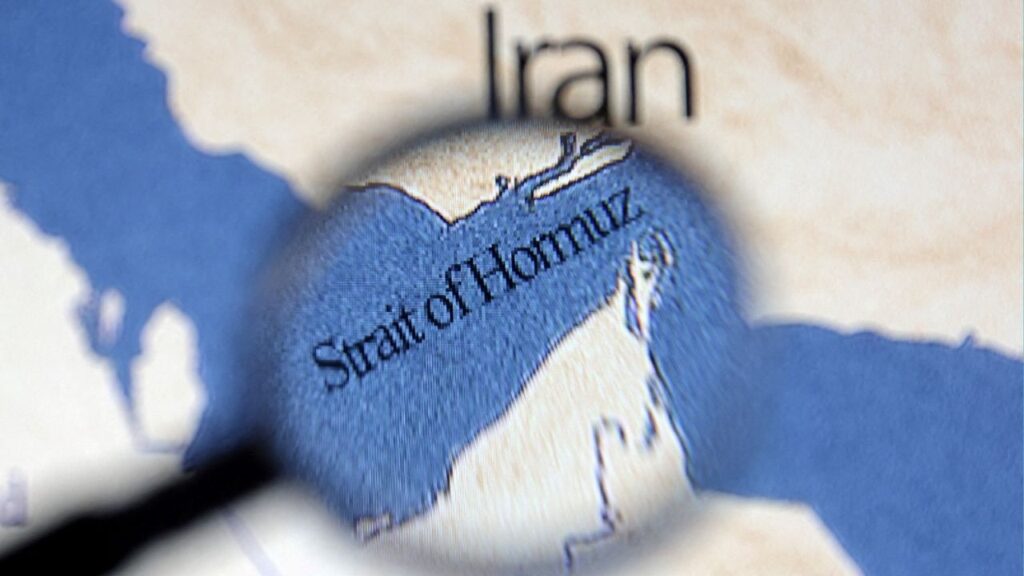
The war has all but halted shipments of about one-fifth of the world’s oil and liquefied natural gas through the Strait of Hormuz, causing what the International Energy Agency has called the biggest-ever oil supply disruption.

“The reality on the ground is unchanged,” said Nikos Tzabouras, analyst at Jefferies-owned Tradu.com. “The Strait of Hormuz remains effectively closed and supply disruptions linger, tightening the market.”
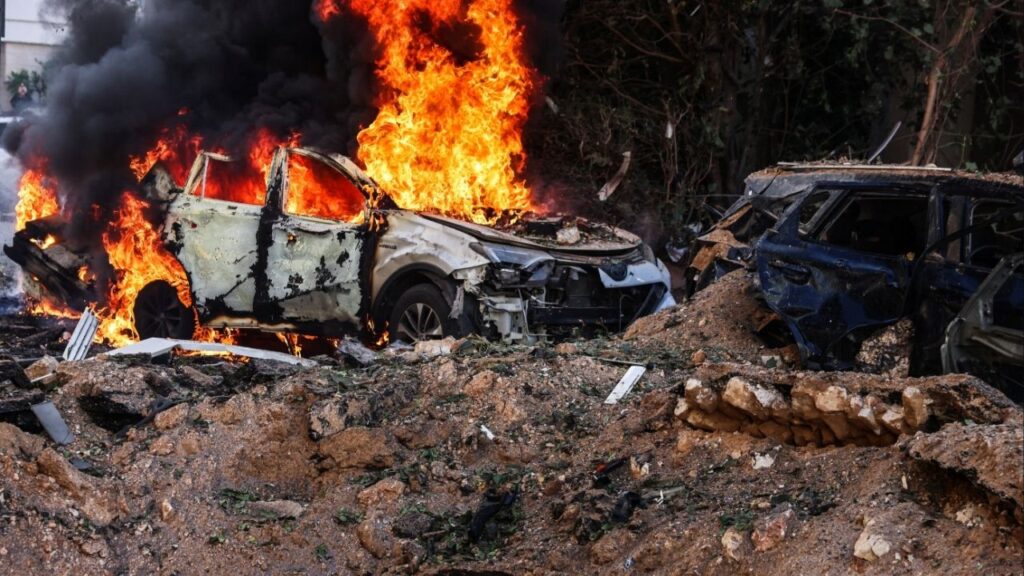
Iran sent waves of missiles into Israel on Tuesday. Three senior Israeli officials, speaking on condition of anonymity, said Trump appeared determined to reach a deal, but that they thought it highly unlikely Iran would agree to U.S. demands in any new round of negotiations.
“The likelihood of temporary shipping disruptions extending into long-term supply dislocations increases with each day that hostilities persist. We’ve seen global energy forecasts recalibrating from supply gluts into potential deficits,” said Kenny Zhu, research analyst at Global X.
Mixed Signals on Peace Talks
Pakistan’s prime minister said on Tuesday he was willing to host talks between the U.S. and Iran on ending the war in the Gulf.
The offer came a day after Trump ordered a five-day delay of attacks on Iran’s power plants, saying the U.S. had talks with unnamed Iranian officials that produced “major points of agreement,” sending crude futures down more than 10%.
Iran on Monday denied it had engaged in negotiations with the United States.
“We’re definitely getting mixed signals,” said Phil Flynn, senior analyst with Price Futures Group. “I think the market is pricing in worries that these talks aren’t going to go well and that the war is going to continue.”
Iran’s negotiating posture has hardened since the war began, sources told Reuters, adding it would demand significant concessions from the U.S. if mediation efforts lead to serious negotiations.
If the strait remains effectively shut until the end of April, Brent could reach $150 a barrel, Macquarie said. That would exceed the all-time high of $147 in 2008.
In the latest attacks on energy infrastructure across the region, a gas company office and a pressure-reduction station were hit in the Iranian city of Isfahan, while a projectile struck a gas pipeline feeding a power station in Khorramshahr, Iran’s Fars news agency reported.
—
(Reporting by Nicole Jao in New York and Alex Lawler in London; Additional reporting by Anmol Choubey in Bengaluru and Emily Chow in Singapore; Editing by Andrei Khalip, Arun Koyyur, Joe Bavier, Rod Nickel)