
|
Getting your Trinity Audio player ready...
|
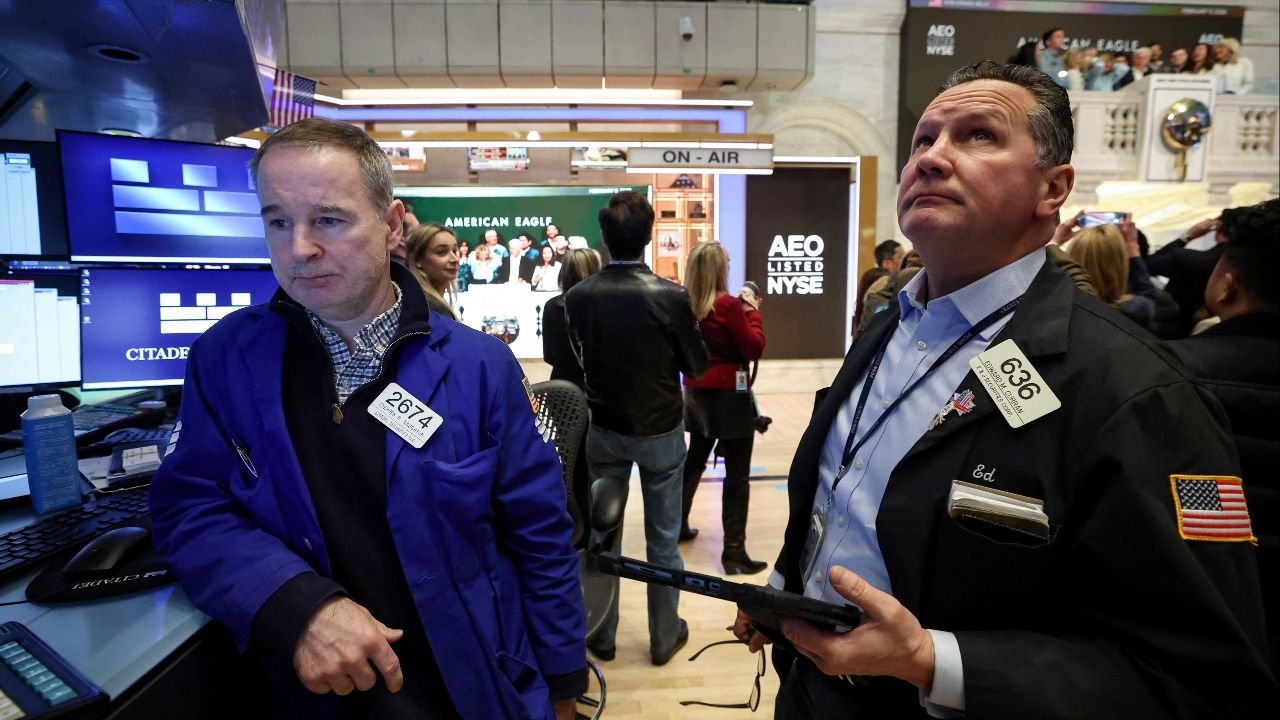
Wall Street’s main indexes rose in broad gains on Monday after U.S. President Donald Trump said he had ordered the military to postpone strikes against Iranian power plants and energy infrastructure following “productive conversations” with Tehran.
Iran’s Fars News Agency, however, disputed Trump’s statement, citing a source who said there had been no direct communication with the United States, nor via intermediaries. Israel’s military said it was conducting strikes on Iran.
Global markets staged a sharp recovery after Trump’s comments, with Europe’s STOXX 600 and precious metals edging up, while oil prices fell, signaling improving risk appetite. They had been trading lower after threats of attacks on Israeli and Iranian power networks.

“The market woke up to some potentially good news out of the Middle East on Monday. But follow-through on any relief rally will likely require tangible follow-through on the geopolitical front,” said Chris Larkin, managing director of trading and investing at E*TRADE from Morgan Stanley.
“We’re still living in a headline-driven market, and with a light economic calendar this week, the focus will remain (on) oil prices and politics.”
Investors trimmed bets on interest-rate hikes from the U.S. Federal Reserve after Trump’s comments, and they now stand at 24% in December, compared with more than 50% before, according to CME Group’s FedWatch.
Markets had scaled back bets last week to show no easing was expected in 2026 after the Fed struck a hawkish tone, projecting higher inflation and a single reduction this year.
Major Markets Up
At 09:40 a.m. ET, the Dow Jones Industrial Average rose 758.78 points, or 1.66%, to 46,336.25, the S&P 500 added 99.24 points, or 1.52%, to 6,605.26, and the Nasdaq Composite gained 383.36 points, or 1.77%, to 22,033.90.
The Russell 2000 gained 2.26%. The small-cap index, sensitive to higher interest rates, on Friday ended more than 10% below its record close of January 22, confirming it had been in correction territory.
The CBOE Volatility Index – Wall Street’s fear gauge – retreated after earlier hitting its highest level in two weeks – and was last down 2.03 points at 24.75.
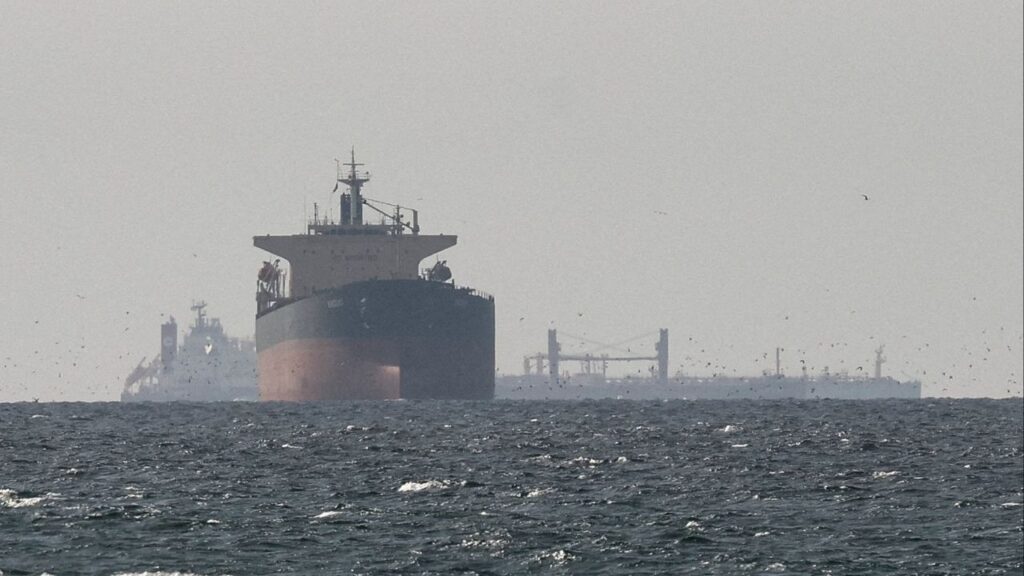
Oil prices fell by more than 7%. Exxon Mobil and Chevron lost 1.2% and 0.6%, respectively, while Occidental Petroleum shed 1.6%. The energy index was down 0.3%, the only sector trading lower.
Airlines jumped, with American Airlines and United Airlines adding more than 4.5% each. Cruise ship operators soared, with Carnival Corp, Norwegian Cruise Lines and Viking Holdings all rising more than 5.5%.
Consumer discretionary stocks gained 3%.
Banks, which had sold off sharply during the conflict, inched up, with JPMorgan Chase and Goldman Sachs adding about 2% each. The S&P 500 Banking index gained 1.5%.
Investors look forward to Fed speakers, business activity surveys and consumer sentiment readings this week.
In individual stocks, Synopsys gained 4% before the bell after activist investor Elliott Investment Management built a multibillion-dollar investment in the electronic design automation firm.
Advancing issues outnumbered decliners by a 4.69-to-1 ratio on the NYSE, and by a 3.39-to-1 ratio on the Nasdaq.
The S&P 500 posted no new 52-week highs and three new lows, while the Nasdaq Composite recorded 11 new highs and 60 new lows.
—
(Reporting by Purvi Agarwal, Twesha Dikshit and Johann Cherian in Bengaluru; Editing by Mrigank Dhaniwala and Pooja Desai)