

|
Getting your Trinity Audio player ready...
|
The foundations of baseball have largely remained the same since Babe Ruth swung a bat. Nine innings make a game. Three strikes and you’re out. And the ultimate authority on all pitches is the home plate umpire.
We won’t be able to say that last one in a few days.
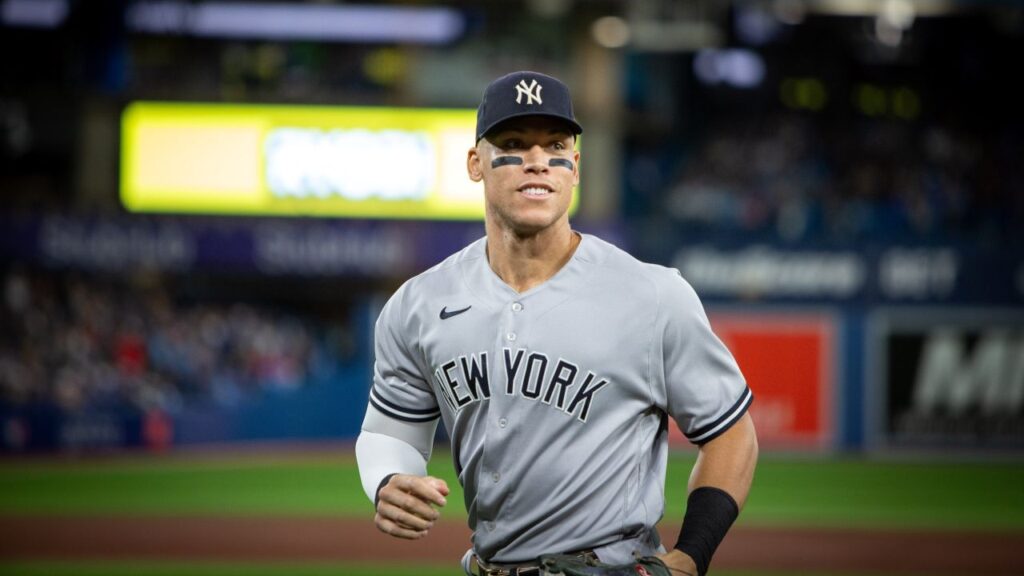
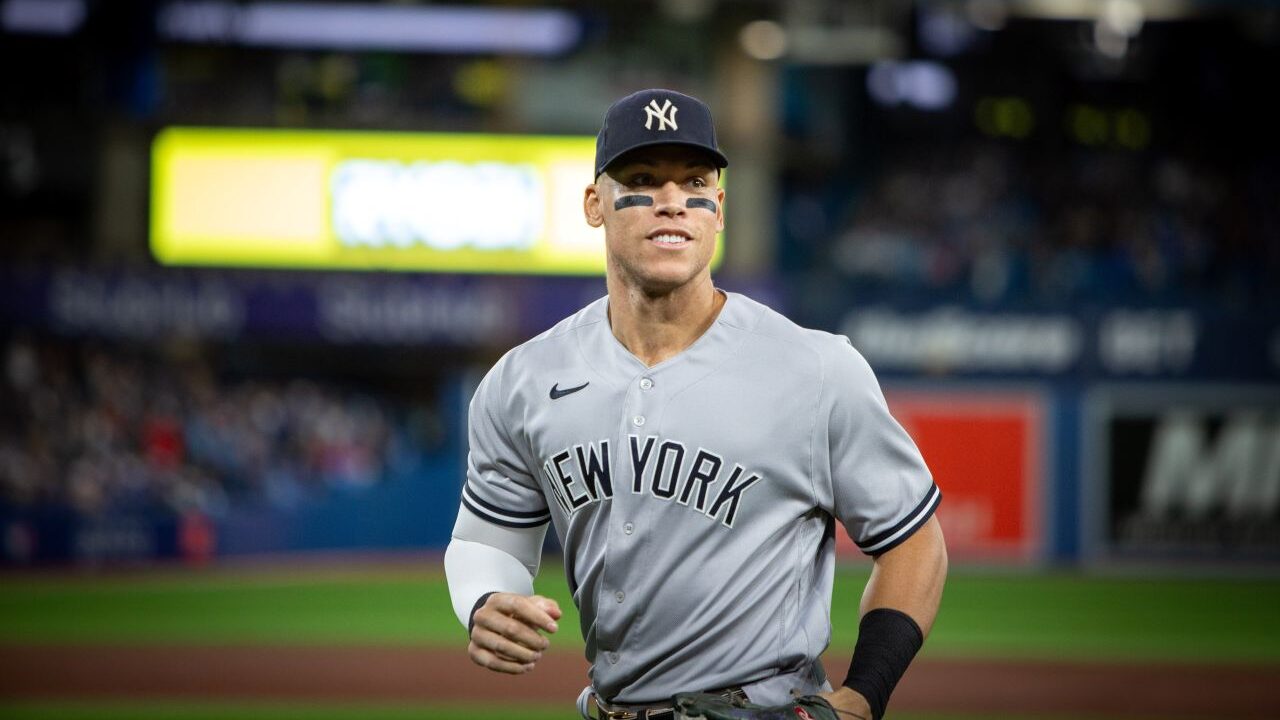
On Wednesday, when the San Francisco Giants’ starter tosses out the first pitch of the Major League Baseball season against the New York Yankees, players will — for the first time — have the chance to overrule the umpire’s call of a ball or a strike.

The new higher power will be a network of specialized cameras set up in every ballpark to track the baseball’s exact location. It’s officially called the Automated Ball-Strike Challenge System. Many fans call it the robot ump.
It’s a major change for a sport steeped so deeply in tradition, and some players have expressed reservations. But baseball officials insist that the ABS system will help rid the game of something that even traditionalists despise: bad calls.
How it Works
Teams will begin every game with two challenges — opportunities to summon the robot umpire and see whether the human behind home plate missed a ball or strike call. If a challenge is successful, the team can use it again. After two misses, though, it loses the power altogether.
Only the pitcher, catcher or batter can challenge a call, and they have to do so almost immediately, without help from teammates or coaches. The signal is a tap on the head, which effectively tells the ump: I think you’re wrong. A few seconds later, a graphic appears on the outfield screen showing whether the pitch was in fact a ball or a strike.
Fans might find the whole charade a bit strange on television. But when I witnessed the ABS system in person, at a few spring training games this month in Florida, I was surprised by how much tension it introduced to the stadium.
People looked up from their phones, and the crowd collectively held its breath awaiting the results. Once, when the screen showed that the human behind the plate was correct — the pitch had indeed been a ball, by just a fraction of an inch — a fan couldn’t help but shout to the umpire how impressed he was. It may have been the first time that ump had heard a compliment from the bleachers.
How Fans and Players Feel
MLB officials say polls suggest that fans overwhelmingly support the challenge system, and my experience backed that up. Of the roughly two dozen I spoke to at spring training, nearly all said they liked the ABS system, or at least were not against it. Only two, a father and son, disliked it. It wasn’t so much the challenge system they objected to, but rather the creeping intrusion of technology into the sport.
Players’ opinions have been a bit more mixed, though many say they’re open to giving it a shot. Catchers, in particular, have been interesting to hear from, because some have made a living by fooling umpires using a technique known as framing — where they shift their gloves and their bodies to make borderline pitches look more like strikes.
The Giants’ Patrick Bailey, widely considered the best defensive catcher in the game, initially worried that ABS would devalue his skills. But he now says he’s excited to see how he and other catchers can take advantage of the system. During spring training, catchers proved far better than batters at deciding when to call for the robot to step in. Bailey has been among the best, winning 10 of his first 12 challenges.
What’s Next?
If robot umps are here to stay, does that mean that human umps are on the road to extinction? It’s a reasonable question, especially since tennis, which uses the same exact camera technology as ABS, has replaced line judges entirely at most major tournaments.
Baseball officials seem open to the idea. They have tested fully automated strike-calling in the minor leagues, and MLB Commissioner Rob Manfred has described the challenge system as a “first step.” But a vast majority of the minor-leaguers who tried both systems told MLB that they opposed full automation. And a survey by my colleagues at The Athletic found similar results with big-leaguers. Remember the father and son I spoke to during spring training? Many players agree with them: They want the game’s human touch to be preserved.
“Can we just play baseball?” star pitcher Max Scherzer once asked my colleague Jayson Stark. “We’re humans. Can we just be judged by humans?”
This article originally appeared in The New York Times.
By Matthew Cullen/Chris Donovan
c.2026 The New York Times Company