
|
Getting your Trinity Audio player ready...
|
Iran and the United States traded threats over critical energy infrastructure in the Middle East, with Iran vowing Sunday to retaliate if President Donald Trump followed through on a warning that he could target Iranian power plants.
Trump said late Saturday that the United States would “obliterate” the power plants — which millions of Iranians depend on — if Iran did not fully open the Strait of Hormuz within 48 hours. The strait, a key oil shipping route, has been choked off by Iranian strikes.
Iran dismissed the ultimatum as it launched a new round of attacks on Israel and issued its own warning. Ebrahim Zolfaghari, an Iranian military spokesperson, vowed Sunday that if Iranian energy sites were attacked, it would strike more infrastructure in the region used by Israel, the United States and American allies, such as fuel depots and desalination plants.

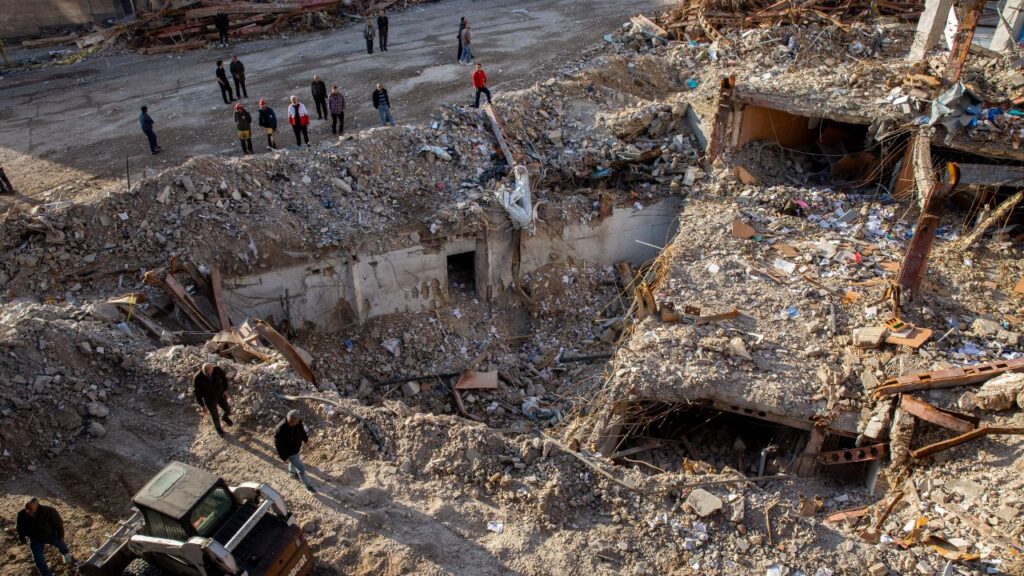
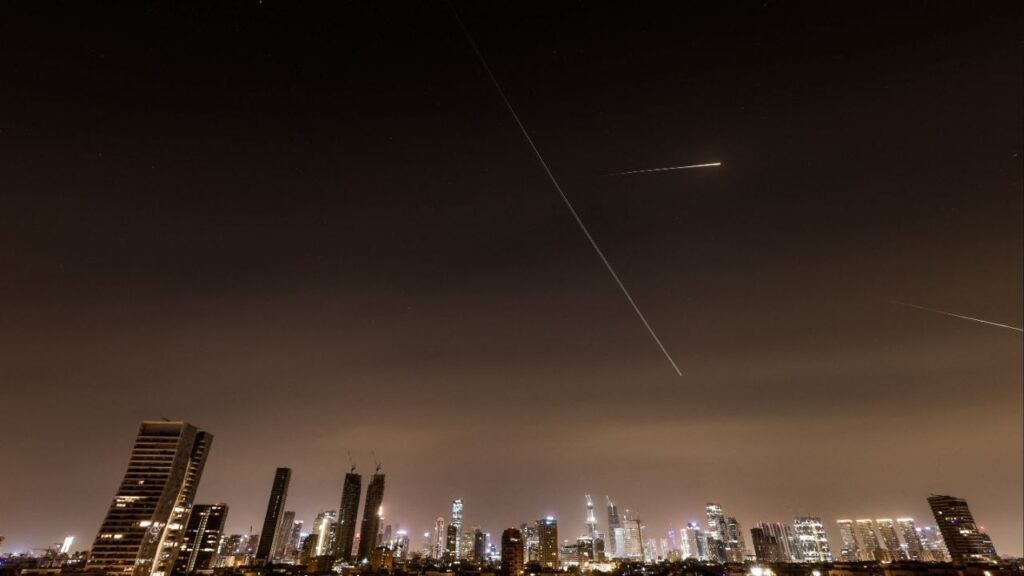
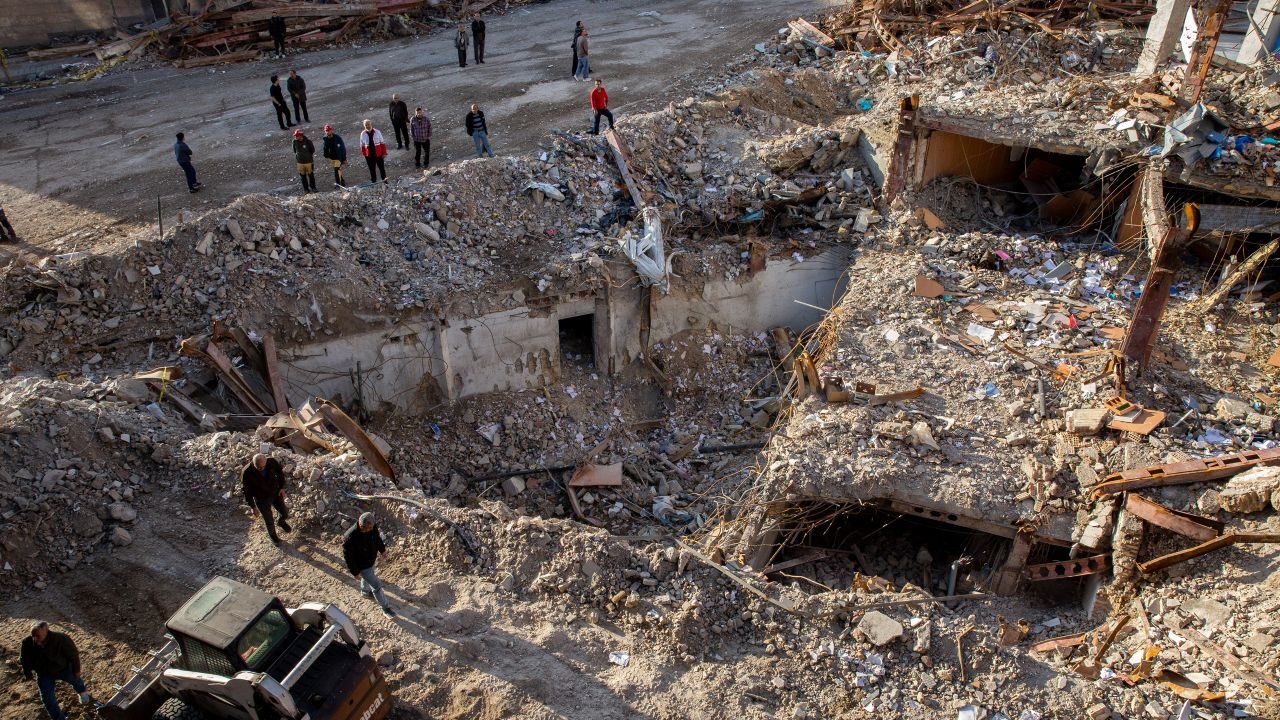
Iranian missiles hit Dimona, a city 8 miles away from Israel’s main nuclear facility, and the nearby city of Arad on Saturday night. More than 10 people were seriously injured and dozens more sustained minor injuries, underscoring Iran’s ability to inflict damage despite three weeks of devastating airstrikes by the United States and Israel. More than 2,000 people have been killed across the region, mostly in Iran.
Still, Trump’s objectives in the conflict and his plans for next steps remained unclear. On Friday, he said that the United States did not want a ceasefire with Iran, but later wrote on social media that the United States was considering “winding down” its operations.
Israeli officials have told the public to expect a protracted campaign. On Saturday, Lt. Gen. Eyal Zamir, the military chief of staff, told Israelis that they were “midway through” the war with Iran and that they would still be fighting during the Passover holiday next week.
A long war of attrition could strain even Israel’s sophisticated antimissile arrays, which have faced multiple daily barrages by Iran, like the missiles that struck Saturday night.
Here’s what else to follow today:
— Nuclear infrastructure: Iran’s state broadcaster said the strike on Dimona was intended to target the nuclear facility near the city, though U.N. officials said there was no evidence it had been damaged. The Tasnim news agency, which is affiliated with Iran’s security forces, said the missile was fired in retaliation for an Israeli attack on an Iranian nuclear facility in Natanz on Saturday, as well as the Bushehr nuclear power plant last week.
— Lebanon: A person was killed in northern Israel on Sunday morning in an attack by Hezbollah, the Iran-backed Lebanese armed group, Israeli authorities said. Israel Katz, the Israeli defense minister, ordered the military to step up house demolitions in Lebanon, adding to concern that Israel could be preparing for a de facto occupation of the south of the country.
— Death tolls: Iran’s U.N. ambassador has said that at least 1,348 civilians had been killed since the start of the war. On Friday, a Washington-based group, the Human Rights Activists News Agency, reported that at least 1,398 civilians had been killed. The number of Lebanese killed rose to more than 1,000, Lebanon’s Health Ministry said Thursday. At least 15 people have been killed in Iranian attacks on Israel, officials have said. The American death toll stood at 13 service members.
— Qatar crash: A Qatari helicopter crashed in the Persian Gulf because of a technical malfunction during a routing operation, killing members of the Qatari and Turkish armed forces and Turkish civilians, according to the Qatar defense minister. It was not immediately known whether the crash was related to the fighting in the region.
This article originally appeared in The New York Times.
By Aaron Boxerman and Pranav Baskar/Arash Khamooshi
c.2026 The New York Times Company