
|
Getting your Trinity Audio player ready...
|
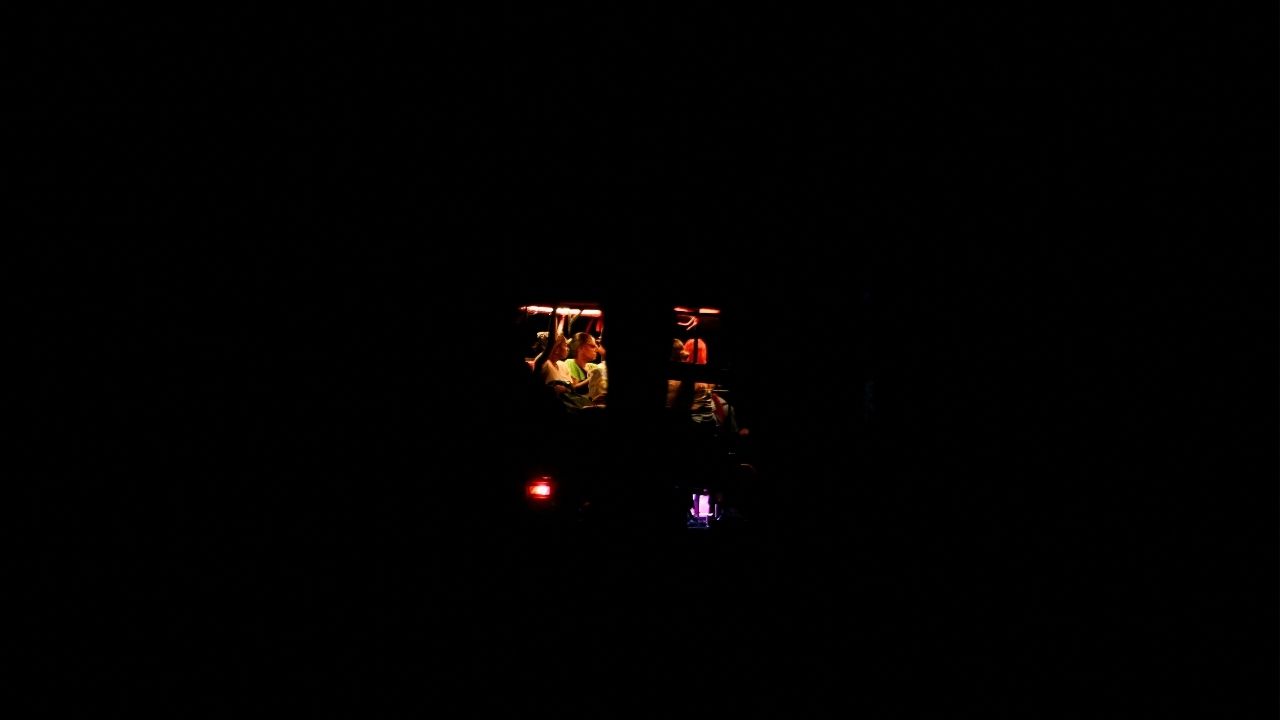
Cuba has reconnected much of its electrical grid and brought online its largest oil-fired power plant, energy officials said on Tuesday, one day after a nationwide blackout left 10 million people in the dark amid a U.S. move to choke off the island’s fuel supply.
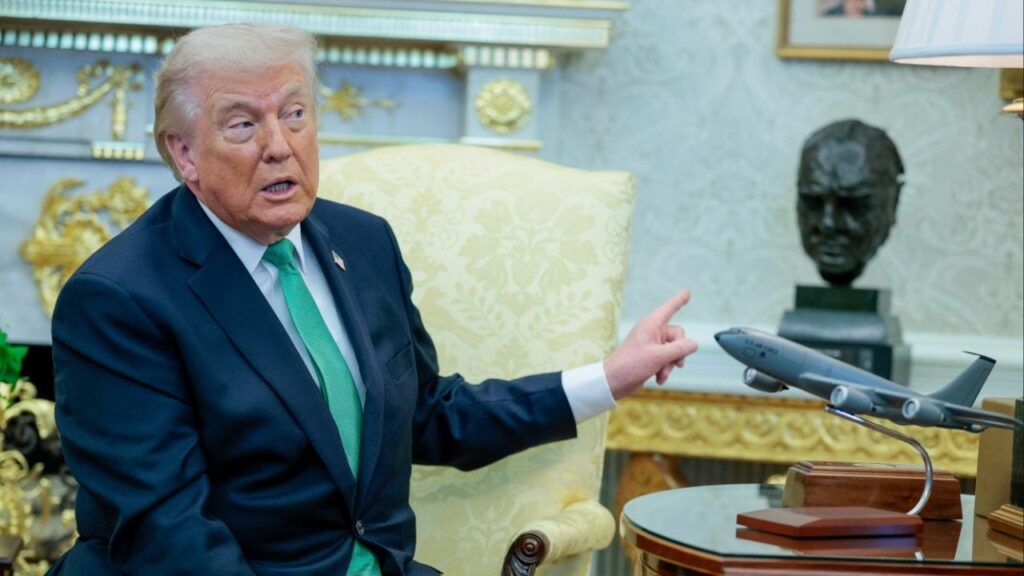
U.S. President Donald Trump escalated his rhetoric against the communist-run island overnight, saying he could do anything he wanted with Cuba.
A U.S. State Department official blamed the Cuban government for the grid collapse, calling blackouts a “symptom of the failing regime’s incompetence.”

Cuba has yet to say what caused Monday’s nationwide grid failure, the first such collapse since the United States cut off Cuba’s oil supply from Venezuela and threatened to slap tariffs on countries that ship fuel to the island nation.
The country’s energy officials said they had reconnected the grid from westernmost Pinar del Rio province to Holguin, near the eastern tip of the island. Santiago de Cuba, the country’s second-largest city, remained offline, the reports said, but would be reconnected to the grid by day’s end.
Nearly half of the capital Havana had seen power restored, according to Cuba’s mid-day state newscast, as grid workers successfully fired the Antonio Guiteras power plant, a decades-old behemoth that underpins the country’s power grid.
Despite the progress, most Cubans remain without power. Electricity generation, hampered by dire fuel shortages and antiquated power plants, is still far below what is necessary to cover demand, providing scarce relief for Cubans already exhausted from months of blackouts.
Most Cubans, including those in the capital Havana, were seeing 16 or more hours of blackout daily even before the latest grid collapse, testing the patience of residents accustomed to hardship.
“It affects every aspect of our lives,” said Havana resident Carlos Montes de Oca, noting that the outages had thrown simple necessities such as food and water supply into disarray. “All we can do is sit, wait, read a book… otherwise the stress gets to you.”
Much of Cuba was overcast through the afternoon on Monday as a cold front neared the island, casting shadows on the solar parks that account for a third or more of daytime generation.
Cuba has received only two small vessels carrying oil imports this year, according to LSEG ship tracking data seen by Reuters on Monday.
Time to Talk
Cuba and the United States have opened talks aimed at defusing the crisis, among the most acute since 1959, when Fidel Castro forced a U.S. ally from power on the island.
Neither side has provided details of the ongoing negotiations, though Trump has portrayed Cuba as desperate to make a deal.
Washington would be doing “something with Cuba” very soon, he said in comments to reporters in the Oval Office on Tuesday.
Monday’s grid collapse overshadowed Cuba’s invitation to Cuban Americans and other exiles living abroad to invest in and own businesses on the island, in an apparent gesture of goodwill amid the talks.
U.S. Secretary of State Marco Rubio told reporters on Tuesday that such measures weren’t enough.
“Cuba has an economy that doesn’t work and a political and governmental system they can’t fix. So they have to change dramatically,” he said.
Cuba has said it is willing to negotiate on even terms with the United States, but that the talks would not involve the “internal affairs” of either country.
Despite the hardships and rhetoric, Cubans, who for decades have ridden out good times and bad, saw little choice but to stay calm.
“We still don’t have power at my house,” said Havana resident Juana Perez. “But we’ll take it in stride, as we Cubans always do.”
—
(Reporting by Dave Sherwood and Daniel Trotta in Havana, additional reporting by Aida Pelaez-Fernandez, Alien Fernandez and Anett Rios;Editing by David Goodman and Bill Berkrot)