
|
Getting your Trinity Audio player ready...
|
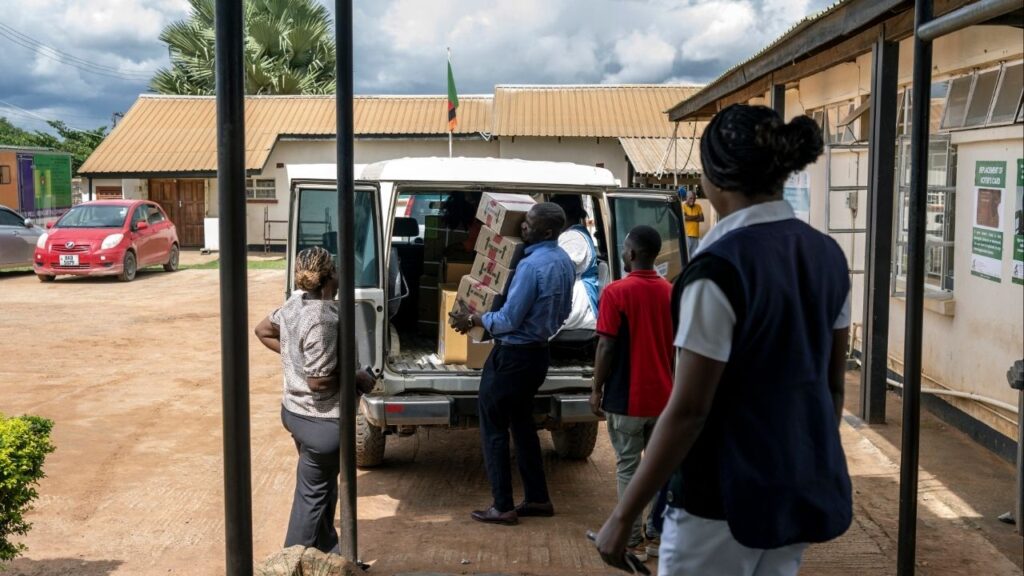
LUSAKA, Zambia — The State Department is considering withholding lifesaving assistance to people with HIV in Zambia as a negotiating tactic to force the government of the southern African country to sign a deal giving the United States more access to its critical minerals.
“We will only secure our priorities by demonstrating willingness to publicly take support away from Zambia on a massive scale,” a draft of a memo prepared for Secretary of State Marco Rubio by the department’s Africa Bureau staff says. A copy of the memo was obtained by The New York Times.
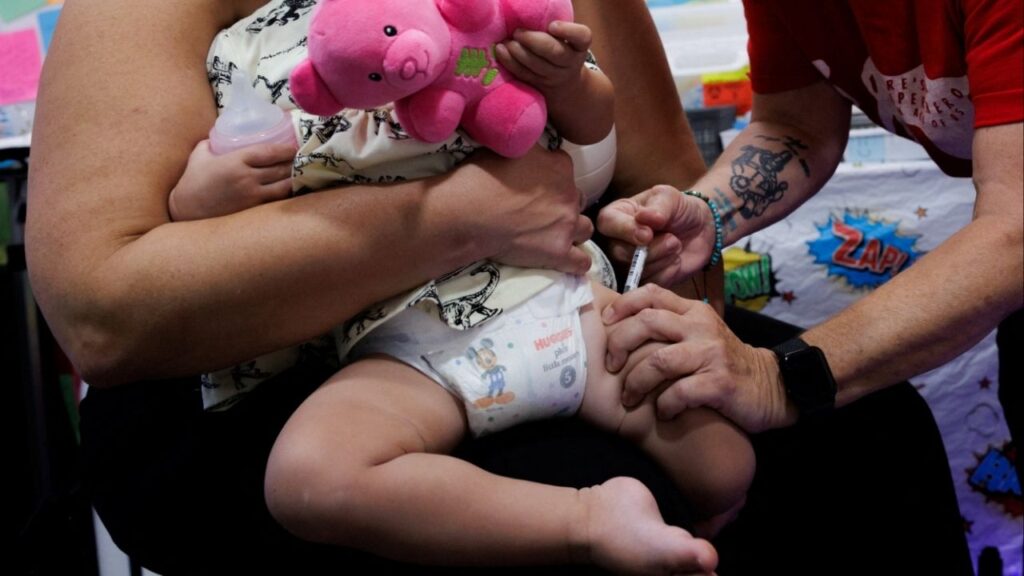
Some 1.3 million people in Zambia rely on daily HIV treatment that is provided through the decades-old U.S. President’s Emergency Plan for AIDS Relief (known as PEPFAR) and on tuberculosis and malaria medications that save tens of thousands of Zambian lives each year. The Trump administration is considering whether to “significantly cut assistance” as soon as May, to increase pressure on Zambia, the memo says.

In the wake of the Trump administration’s broad cut to foreign aid last year, the State Department has been pushing countries to sign new agreements pledging to meet certain conditions to receive U.S. funds. Twenty-four countries have signed agreements so far, worth a total of $20 billion in health aid over five years. In most cases the main requirement on the recipient country is that its government commit to increasing its own health spending.
While most countries have signed, Zimbabwe’s government recently walked away from negotiations, saying demands about data and biological sample sharing were an intolerable infringement on sovereignty. Activists in Kenya have taken that country’s deal to the courts over similar concerns.
Unlike the other agreements, which are limited to funding for health programs, the United States is trying to use the deal it is negotiating with Zambia to address a longtime source of frustration: what it sees as China’s unfettered access to the country’s mineral wealth. Zambia is one of the world’s major copper producers, and also has huge reserves of minerals such as lithium and cobalt, all of which are key in the green energy transition.
While the terms of the deal have not been made public by either government, a draft of the health component seen by the Times says the United States proposes to give Zambia $1 billion in health funding over five years, if Zambia commits $340 million in new health spending of its own. This is less than half the amount of health assistance Zambia received before the Trump administration took office.
The second piece is an agreement on steps that would give American businesses more access to Zambia’s vast mineral deposits and, by extension, end what the United States sees as China’s preferential access to Zambian mines.
The third is a renegotiation of a contract with the Millennium Challenge Corporation, an American foreign assistance agency focused on economic governance. The original contract, signed in 2024, gave Zambia a $458 million grant to support its agricultural sector. The Trump administration wants it restructured to require regulatory changes in mining and other industries.
Zambia will need to agree to all three by May in order to keep a portion of the health aid it now receives through PEPFAR, the draft memo suggests.
The State Department declined to comment on the memo. Responding to questions from the Times, the department’s press office said by unsigned email that it would not comment “on purportedly leaked documents or on deliberative diplomatic discussions.” The draft memo was prepared by the Zambia desk in the Africa Bureau and circulated among, and approved by, a number of officials who are informing the U.S. side of the negotiations.
Cornelius Mweetwa, Zambia’s minister of information and its chief government spokesperson, declined to comment on the negotiations.
The Trump administration had expected Zambia to sign late last year, when other African countries were agreeing to contracts, and officials traveled from Washington to Lusaka, the Zambian capital, to try to close the deal.
But it remains unfinished, and the administration’s frustration has grown with Zambia — a country with vast mineral wealth but also an immense foreign debt burden that has long been dependent on foreign aid and cheap loans from China.
The draft memo prepared for Rubio says that getting the agreement signed would involve “the potential use of sticks” and warned that Zambia could not be allowed to backtrack because other countries are watching.
If Zambia won’t sign, “sharp public cuts to American foreign assistance would significantly demonstrate to aid-receiving countries the seriousness of our interest in collaboration and our insistence on tangible benefits under our America First foreign policy,” the draft memo says.
Zambia has been one of the largest recipients of PEPFAR assistance — more than $6 billion — in the past two decades. When the assistance began, during the administration of George W. Bush, some 90,000 people a year were dying of HIV in Zambia and the health system was entirely overwhelmed.
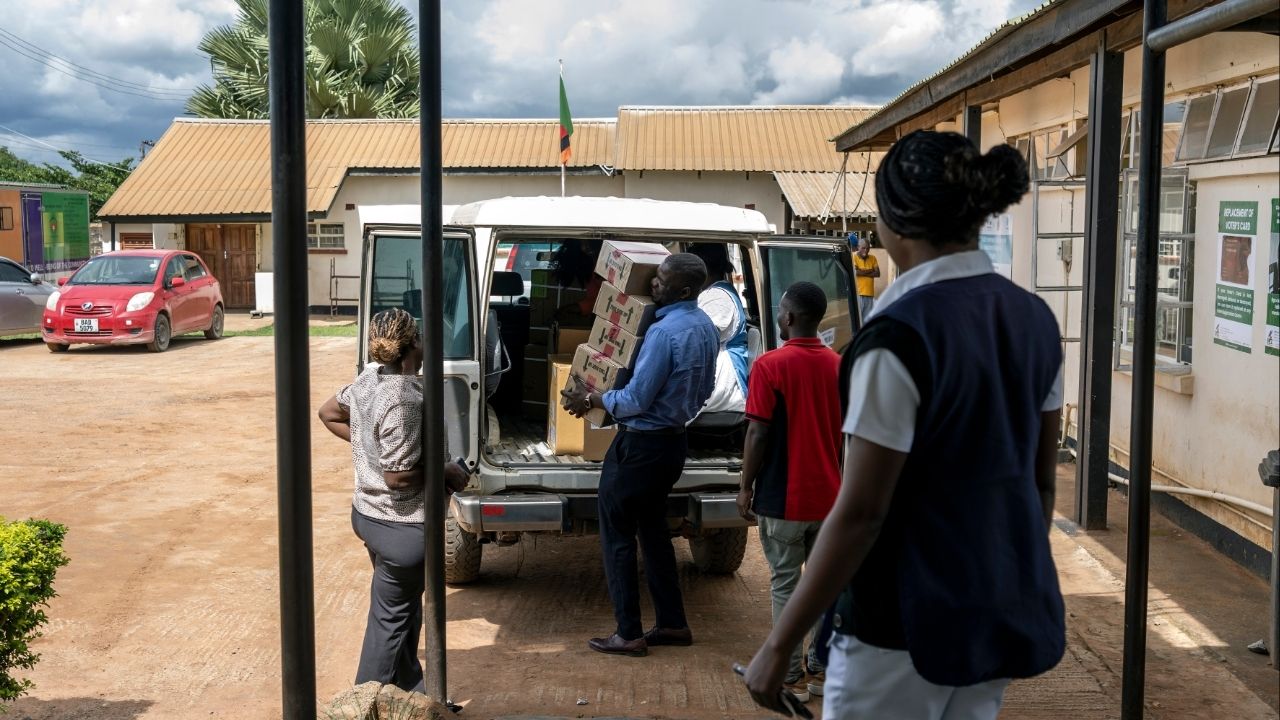
The Zambian government has been taking over some of the HIV programs since the Trump administration’s cuts to aid began last year. Nevertheless, everything from the essential medicines supply chain to the medications that stop babies from being infected with HIV at birth still relies on U.S. financial and logistical support.
—
This article originally appeared in The New York Times.
By Stephanie Nolen/Aiette Bashizi
c. 2026 The New York Times Company