
|
Getting your Trinity Audio player ready...
|
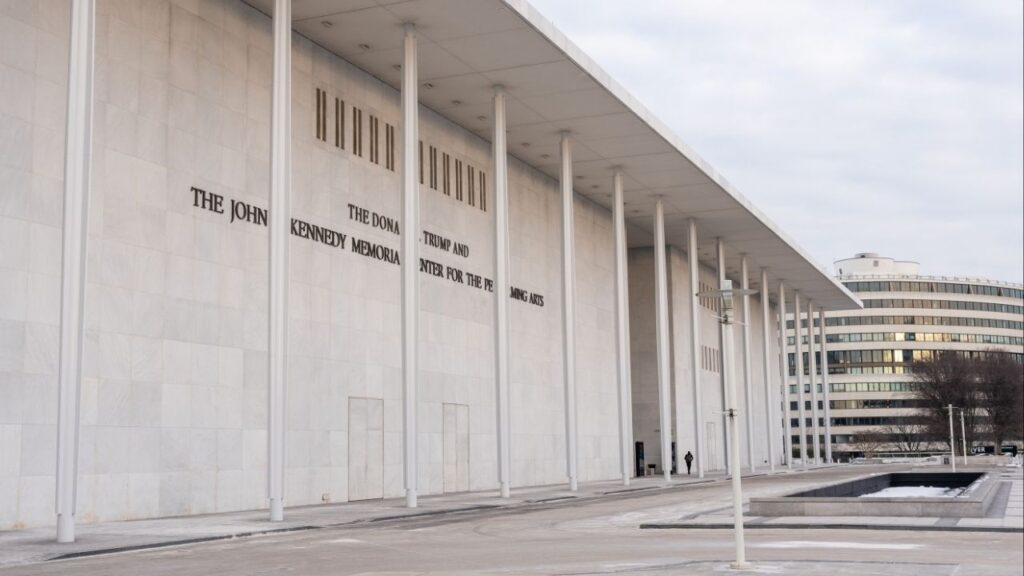
WASHINGTON — President Donald Trump is set to convene the board of trustees of the John F. Kennedy Center for the Performing Arts on Monday to vote on plans to close the institution for renovations starting July 6, according to an internal meeting agenda obtained by The New York Times.
The agenda for the meeting indicates that the president intends to move quickly to clear what he announced in February would be a two-year closure to transform the center.
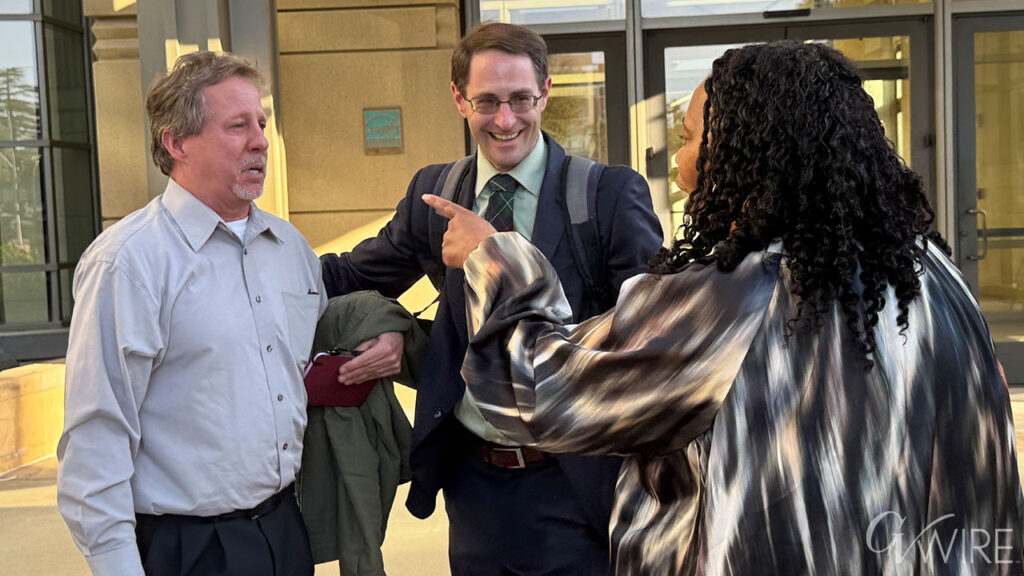
The document was shared with the trustees late Sunday evening after a federal judge ordered that details be shared with Rep. Joyce Beatty, D-Ohio, who had sued over her right to participate as an ex officio member of the board. Beatty had argued that after the president purged much of the board and took over as its chair, he was now seeking to muscle through changes that could include rebuilding the Kennedy Center to his own liking.

After an emergency hearing Friday, the judge, Christopher R. Cooper of U.S. District Court in Washington, ruled Saturday that the board could not conceal certain details about the upcoming meeting or prevent Beatty from appearing to voice her opposition. In a carefully tailored order, he required that the board share budgets and other documents along with whatever decisions had been reached about the content of the meeting set for Monday.
Despite Cooper’s ruling granting Beatty an opportunity to participate in the meeting and register her opposition, he stopped short of ordering that she be allowed to cast a vote on any proposals. Her lawyers have signaled that they intend to challenge the closure, the addition of Trump’s name to the building and other major changes, but Cooper postponed a decision on those issues until after the meeting.
In addition to the vote on the closure, the agenda lists remarks by the president and by Richard Grenell, who had been serving as the organization’s president until Trump announced last week that he would step down. It also mentions a resolution that appears to reference the separation of the Washington National Opera from the center.
But beyond providing confirmation that Trump indeed intends to temporarily shutter a cultural institution in the nation’s capital, the documents provided little clarity about plans for the Kennedy Center.
In Beatty’s lawsuit, her lawyers had pressed for clarity about a social media post in February in which Trump professed to have completed a “one year review,” taking input from “Contractors, Musical Experts, Art Institutions” and others to help decide whether to make incremental changes to the building or close it for a bigger renovation.
But there was little indication from the materials circulated Sunday that such a thorough review had taken place. Other files sent along with the meeting agenda included reports about the health of the building from 2021 and 2022 and a new contracting policy set in November.
“These inadequate documents prove that there is absolutely no basis to shutter this precious living memorial and beloved institution,” Beatty said in a statement. “It certainly looks like President Trump is shutting down the center because he is embarrassed that ticket sales are down and artists are fleeing since his illegal renaming.”
Cooper acknowledged in his order that everything might not have been determined yet regarding Trump’s plans for the building, and that some documents that the judge ordered the organization to share might not yet exist. Representatives for Beatty declined to comment on what materials had been provided to her or if they went beyond what was sent to the wider board.
More than a dozen members of Congress, as well as the secretary of state and the mayor of Washington, D.C., also sit as ex officio members under the federal law that established the Kennedy Center. The files appeared to have been sent to the board less than 16 hours before the meeting.
It was not immediately clear whether the documents fully satisfied the list of items Cooper had ordered to be provided to Beatty.
Before the ruling Saturday, her lawyers had expressed concern that the center’s board meetings would turn into a “rubber stamp” for the president’s ideas. They told Cooper that Beatty feared that the building, which was established by Congress as a living memorial to former President John F. Kennedy, could be taken down at the same breakneck pace as the East Wing of the White House, which Trump demolished with little notice last year.
—
This article originally appeared in The New York Times.
By Zach Montague/Eric Lee
c. 2026 The New York Times Company