
|
Getting your Trinity Audio player ready...
|
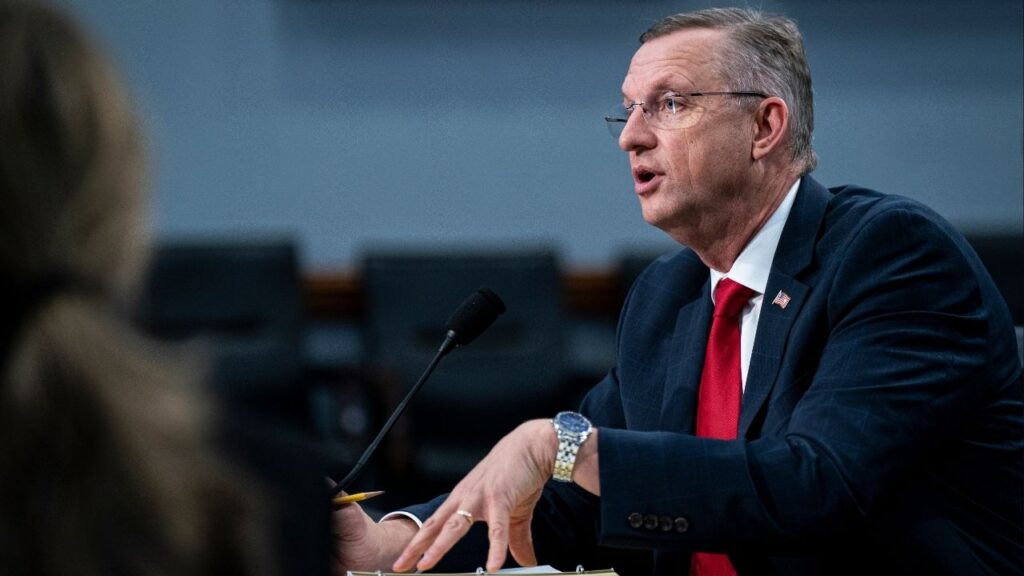
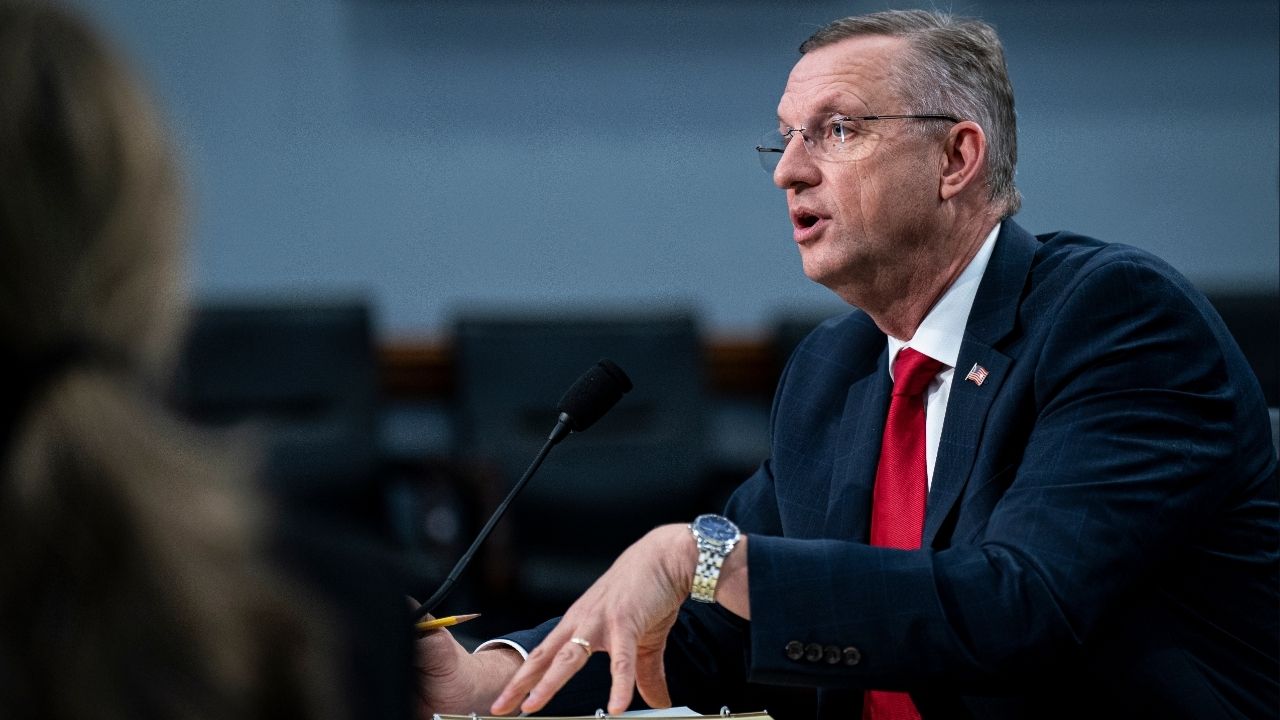
WASHINGTON — A federal judge in Rhode Island ordered the Trump administration to restore a union contract with more than 300,000 Department of Veterans Affairs workers after Doug Collins, the VA secretary, moved to nullify the agreement in August.
In a 29-page opinion, Judge Melissa R. Dubose wrote that the union, the American Federation of Government Workers National VA Council, had made clear that the termination of the contract was retaliatory — and therefore in violation of the First Amendment — given the opposition to the Trump administration’s labor policies mounted by the union’s umbrella group, the American Federation of Government Employees.
Noting that the union was already shedding members after the termination of the agreement, Dubose reasoned that waiting until the lawsuit was finished to restore the contract would cause painful losses for the union and its workers. She ordered that the three-year contract, which was ratified in June 2023, be reinstated for the remainder of its term.

The decision to end the agreement, she wrote, “seems substantially motivated by the plaintiffs’ history and frequency of vocally opposing changes to labor policies.”
The union had argued that the decision hinged on its opposition to Trump’s presidential policies. The union is part of the American Federation of Government Employees, which represents workers at many other government agencies. It has, DuBose noted, “actively litigated against the Trump administrations.”
Dubose acknowledged that First Amendment claims based on retaliation against unions have had a mixed record nationally.
She pointed to a decision in August by the U.S. Court of Appeals for the 9th Circuit, which reasoned that President Donald Trump would likely have signed an executive order last year stripping more than 1 million federal workers of collective bargaining rights regardless of their public stances. But she concluded that the union had made a strong argument that the cancellation of the contract was related to existing resentments toward the union and its members.
She cited a White House fact sheet on Trump’s executive order signed in March, which stated that “certain federal unions have declared war on President Trump’s agenda.” And she noted various anti-labor statements by Collins, which she said demonstrated that the “laser focus” of the agency’s leaders “was on the ways the VA perceived employee unions as frustrating the work and purpose of the VA.”
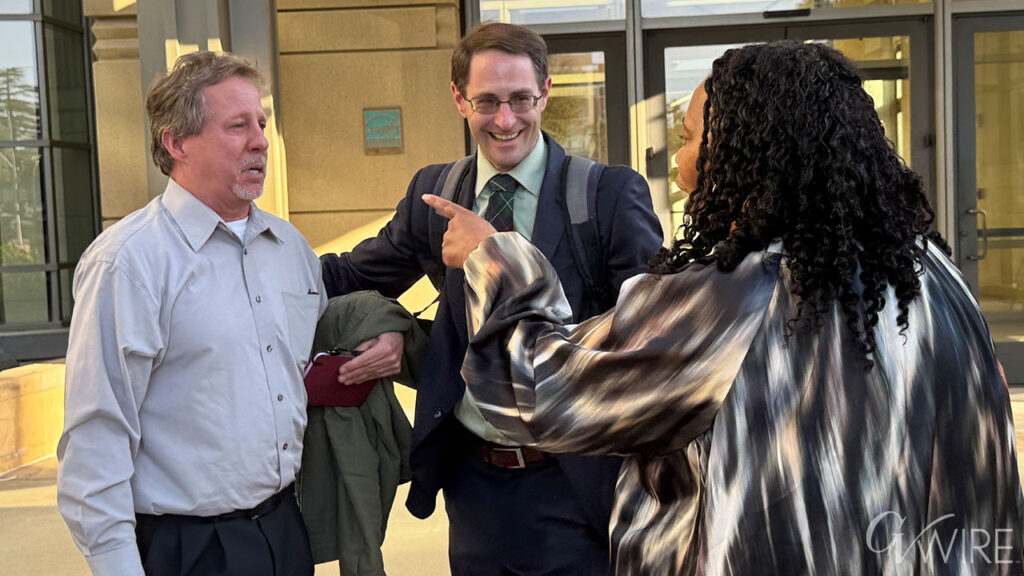
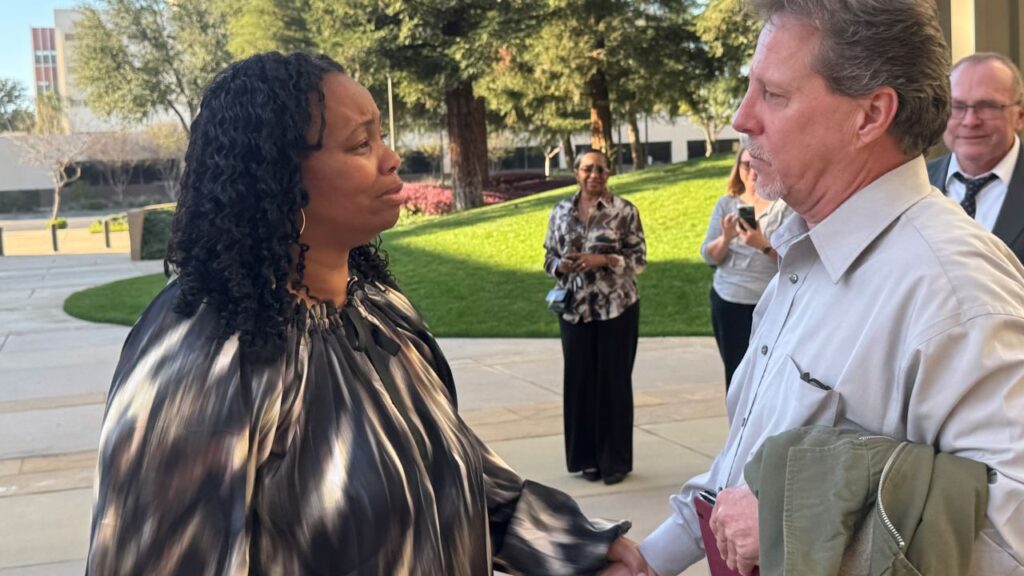
In a statement celebrating the news, Mary Jean Burke, the president of the smaller National VA Council, said the decision overcame “this administration’s shameful and hostile attempts to silence VA workers.”
“We are still here,” she said.
—
This article originally appeared in The New York Times.
By Zach Montague/Al Drago
c. 2026 The New York Times Company