
|
Getting your Trinity Audio player ready...
|
Global stocks were mixed and oil prices stayed elevated as uncertainty over the Iran war continues to disrupt energy supplies, driving concerns over fuel inflation and interest rates.
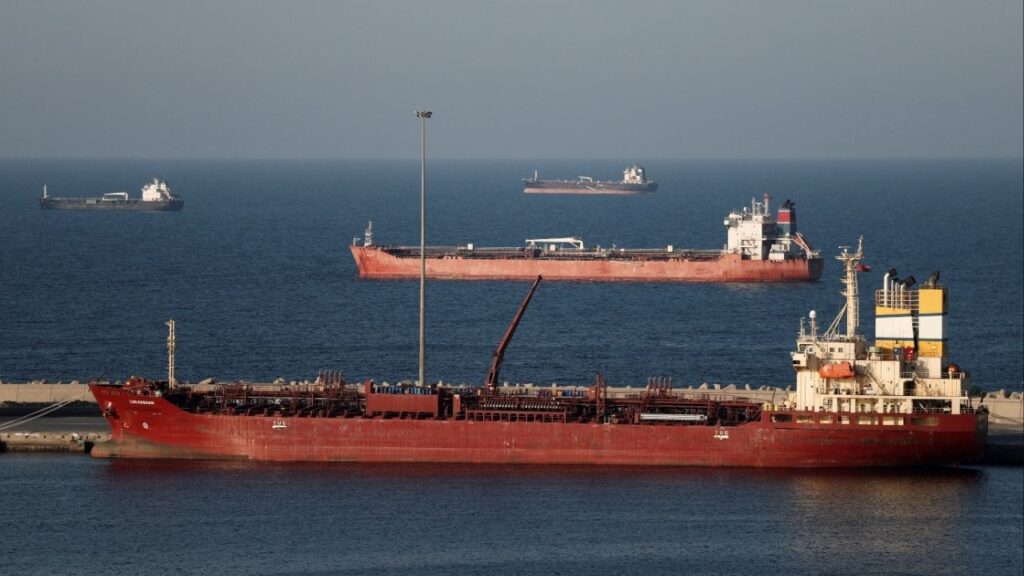
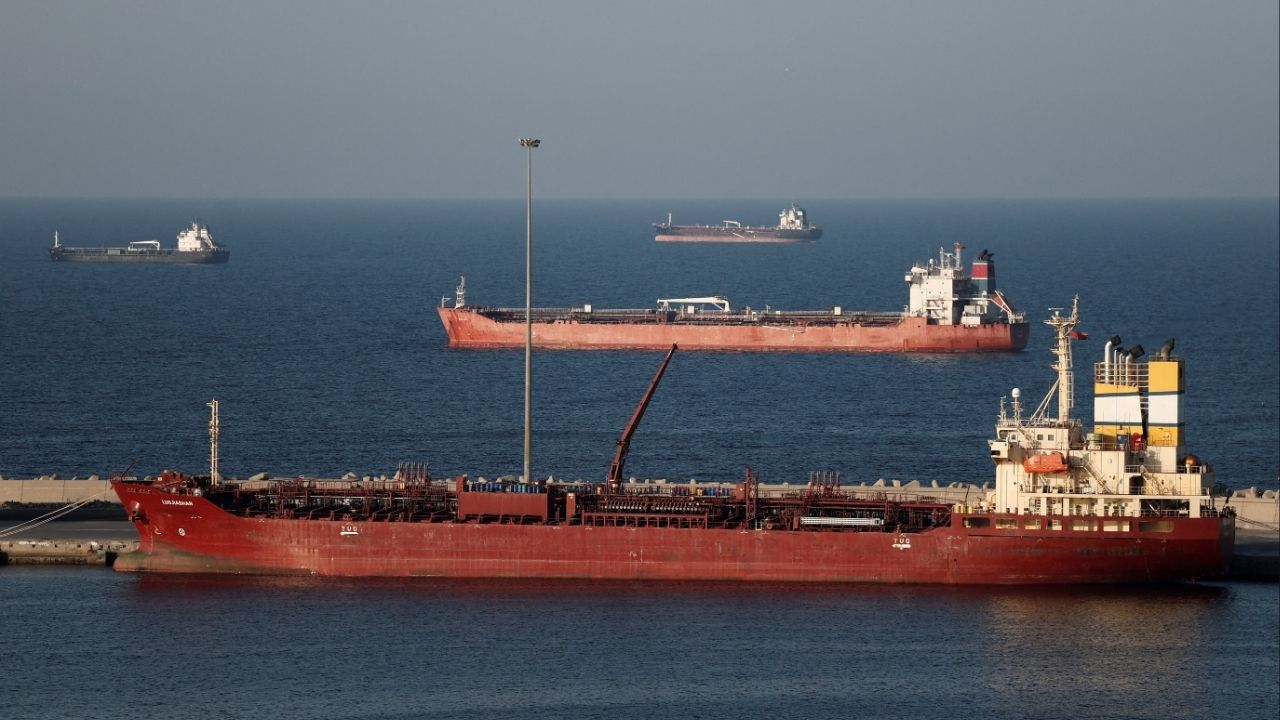
The price of oil hovered around $100 per barrel even as an Indian tanker sailed out of the Strait of Hormuz and the U.S. put forth measures to try and ease supply concerns. Oil prices remain more than a third higher than when the United States and Israel launched strikes on Iran almost two weeks ago.
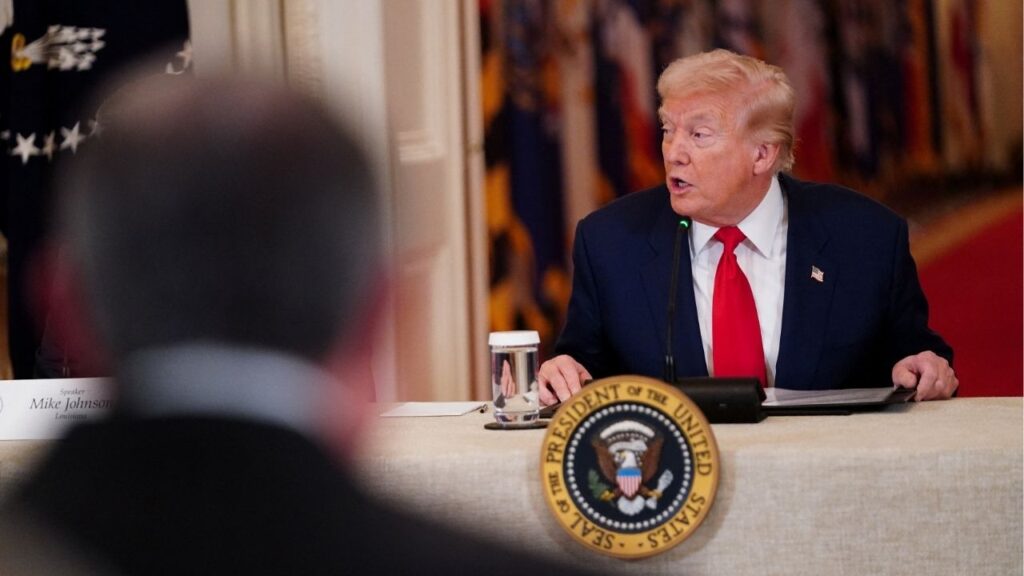
President Donald Trump said the U.S. was going to be hitting Iran “very hard over the next week”, shortly after issuing a partial 30-day waiver for purchases of sanctioned Russian oil, hoping to ease prices fuelled by the U.S.-Israeli war on Iran.

On Wall Street, the Dow Jones Industrial Average rose 0.3%, the S&P 500 was little changed, and the Nasdaq Composite dipped about 0.1%.
“It could simply be the case we’ve had two if not three days of pretty aggressive selling across the board, and there’s simply a degree of exhaustion coming in,” said Michael Brown, senior research strategist at Pepperstone.
“Crude benchmark is a touch softer, and everything on the whole is still taking its lead from where oil is trading,” he said.
Europe’s STOXX 600 dropped 0.13%, with the index on track for a more than 5% fall in March so far, its biggest two-week decline in a year. MSCI’s gauge of stocks across the globe fell 0.3%.
Meanwhile the dollar has become the safe-haven of choice during the tumult, putting most other currencies under pressure. The U.S. currency was set for a second consecutive week of gains, up 0.5% on the day against a basket of other currencies.
Oil Price Driving Market
Brent crude oil futures ticked up to $100.94 a barrel, while West Texas Intermediate crude was at $95.79 a barrel. Both had hovered around $60 at the start of 2026.
Traders are trying to predict how long the disruption to oil supplies will last.
“Headlines are coming at the market like water from a fire hose, which is impacting the price of oil, and consequently, financial markets,” said Mitch Reznick, group head of fixed income at Federated Hermes.
With Iran stepping up attacks across the Middle East as its new Supreme Leader Mojtaba Khamenei vowed to keep the Strait of Hormuz shipping lane closed, investors are bracing for a prolonged conflict and higher oil prices.
The spectre of rising inflation has led markets to rapidly reprice what they expect from central banks this year, with traders now anticipating just 20 basis points of easing from the Federal Reserve compared to 50 bps of cuts priced in last month.
Two-year Treasury yields, which typically move in step with Fed interest rate expectations, hit a six-month high on Thursday.
Elsewhere, the Personal Consumption Expenditures index, the Federal Reserve’s preferred inflation gauge, rose 0.3% in January on a monthly basis, in line with economists’ estimates. At the same time, U.S. economic growth slowed more sharply than initially thought in the fourth quarter amid downward revisions to consumer spending and business investment, government data showed on Friday.
Shifting Rates Outlook
Jose Torres, senior economist at Interactive Brokers, said the impact of rising oil prices on corporate margins, inflation expectations, rate-cut prospects and yields is sparking volatility, leaving participants with few places to hide.
“Indeed, sinking optimism about Fed rate reductions amid strengthening cost pressures is weighing on traditional safe havens such as silver, gold, and government debt.”
The two-year note yield fell 4.3 bps to 3.762% after hitting its highest level since August 22 on Thursday. U.S. 10-year notes were little changed at 4.269%
Investor focus will switch to a slate of policy meetings next week with the Fed, the Bank of Japan, the European Central Bank and the Bank of England all due to meet, with most expected to keep rates unchanged. The Reserve Bank of Australia is broadly expected to hike rates next week.
In currencies, the euro fell 0.45% to $1.145, on course for a weekly decline of more than 1%. The yen hit its weakest level since July 2024 at 159.69 per U.S. dollar on Friday as Japan warned that it was ready to take action to protect against yen declines. It was last at 159.39. [FRX/]
Analysts said the bar for intervention is higher this time around, as any intervention now could prove futile in the face of the relentless dollar buying.
Gold was 0.24% lower at $5,066 per ounce on Friday, set for a drop on the week. [GOL/]
—
(Reporting by Lawrence Delevingne in Boston, Lucy Raitano in London and Ankur Banerjee in Singapore; Editing by Sam Holmes, Peter Graff and Alexander Smith)