
|
Getting your Trinity Audio player ready...
|
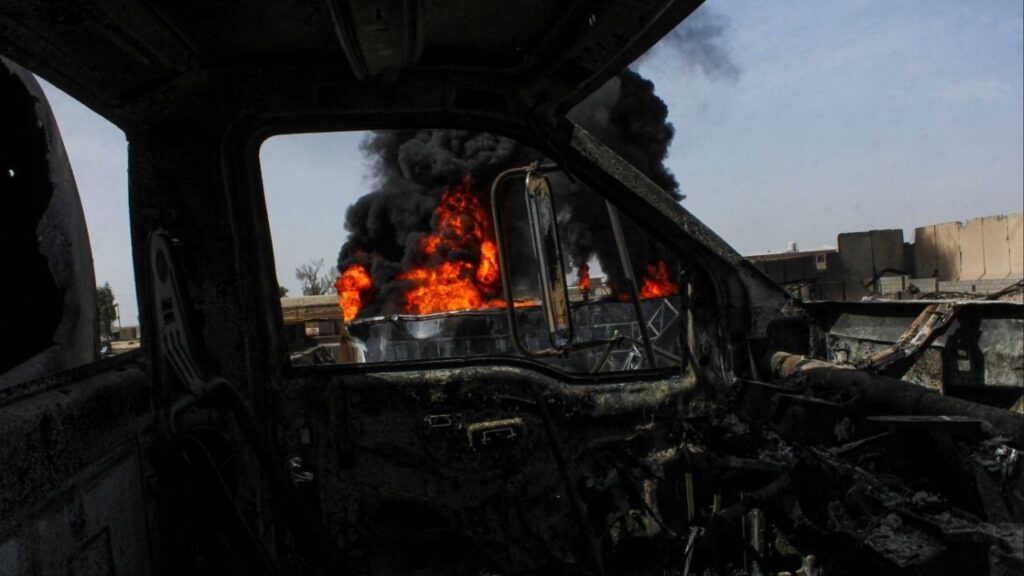
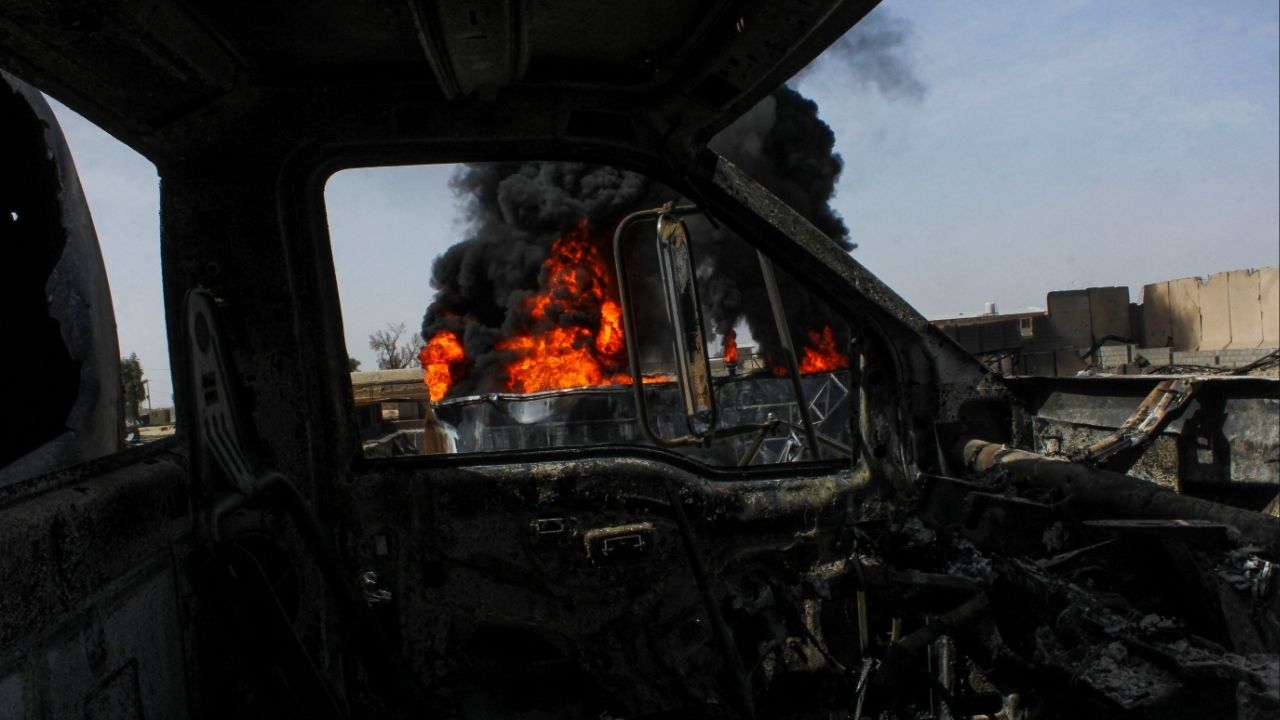
Pakistan bombed the fuel depot of private airline Kam Air near Afghanistan’s airport of Kandahar, the ruling Taliban said on Friday, stepping up the neighbors’ worst conflict in years, despite China’s efforts to mediate.
The overnight strikes also hit residential areas in Kabul, killing four people and wounding more than a dozen. In eastern Nangarhar province later on Friday, a mortar shell that Afghan officials said was fired by Pakistan hit a house in the Momandara district, killing a woman and a child, a provincial spokesperson said.
The United Nations Assistance Mission in Afghanistan said the airstrikes in Kabul had killed at least four civilians and injured 14 in the Pul-e-Charkhi area, including women and children.

Pakistan’s information minister, Attaullah Tarar, said in a post on X that the strikes were part of the ongoing operation dubbed “Ghazb lil Haq”, targeting what it described as militant camps and “terrorist support infrastructure” in Kabul, Paktia and Kandahar.
Dozens of sites had been struck across Afghanistan, he added, denying that “any civilian population or infrastructure” had been targeted.
Afghan administration spokesperson Zabihullah Mujahid vowed that the aggression would “not go unanswered”.
The strikes on the depot, which Mujahid said “supplies fuel to civilian airlines as well as to United Nations aircraft”, threaten to spark further hostilities between two countries that neighbor Iran.
Retaliatory Strikes
No Pakistani airstrikes had been reported in the past week after Beijing boosted mediation efforts, including messages from President Xi Jinping to halt the fighting.
Ground clashes along the 2,600-km (1,600-mile) border had also tapered off, despite some intermittent fighting.
The fighting erupted last month with Pakistani airstrikes in Afghanistan that Islamabad said targeted militant strongholds. Afghanistan called the strikes a violation of sovereignty, however, as it launched retaliatory attacks.
Militancy has been a bone of contention between the neighboring allies-turned-foes, with Islamabad saying Kabul provides safe haven to militants launching attacks on Pakistan.
The Taliban deny the allegation, however, saying tackling militancy is Pakistan’s internal problem.
Afghanistan’s defense ministry said it responded to the latest Pakistani strikes by launching drone strikes on a Pakistani military base in the northern city of Kohat, causing heavy damage.
Drone debris injured two people in Kohat, said Shafi Jan, a local government information adviser.
In a separate incident, seven police officers, including a station house officer, were killed and another wounded in a roadside bomb blast targeting a police vehicle in Lakki Marwat district, in the Khyber Pakhtunkhwa province bordering Afghanistan, police said.
Pakistan’s Interior Minister Mohsin Naqvi ordered tighter security in Islamabad, cutting the capital’s entry points from 109 to 25 and strengthening checkpoint monitoring, the interior ministry said.
Unable to Scream
In Kabul, residents said they heard explosions around midnight before bricks began falling in their homes and dust obscured their vision.
“I ran toward the hallway and started calling out to see who was alive,” said Homayoun, 45, woken from sleep by a blast, followed by the screams of his children.
“I tried to shout, but my voice wouldn’t come out because dust and smoke had filled my throat.”
In district 21 on the outskirts of the capital, bricks littered sandy streets and homes had walls blown out. “When we woke up, dust was everywhere, the windows were broken, and we could hear nothing,” said one 35-year-old resident Murselin.
Haji Mohammad Aman, a Kabul resident with relatives whose house had been hit, said he could not understand why their neighborhood had been targeted.
“This entire area is residential,” he added. “Many very poor people live in this area. There is not even a single government or military facility.”
On Friday the United Nations said it had recorded at least 75 civilians killed and 193 wounded in the fighting since February 26. The Taliban government says more than 110 civilians have been killed.
Pakistan has rejected both tolls, saying it targets only militants and support infrastructure.
—
(Reporting by Mohammad Yunus Yawar in Kabul and Saad Sayeed in Bangkok; Additional reporting by Shilpa Jamkhandikar in Mumbai, Mushtaq Ali in Peshawar, Saudi Mehsud in Dera Ghazi Khan, and Mubasher Bukhari in Lahore; Writing by Sakshi Dayal and Ariba Shahid; Editing by Raju Gopalakrishnan, Clarence Fernandez and Aidan Lewis)