|
Getting your Trinity Audio player ready...
|
Following news that the San Joaquin River Parkway and Conservation Trust had used human-based compost on land at the Sumner Peck Ranch, the trust says it won’t use the material.
Sharon Weaver, executive director of the trust, confirmed Thursday it wouldn’t bring more compost onto the property. Removing existing compost, however, would involve Earth Funeral, the company that gifted the compost. The coordination is required because of regulations covering human remains.
“It’s not like we receive deliveries from them every week or every month or anything like that,” Weaver said.

This comes as members of San Joaquin River Conservancy held a news conference Thursday condemning the use of composted humans on the land, which they say violates state law.
Members at the conference included conservancy boardmember Kacey Auston-Tibbetts, Fresno County Board Chair Garry Bredefeld, Fresno City Councilmember Nick Richardson, and Madera County Supervisor Jordan Wamhoff.
Bredefeld called spreading human compost a “stupid decision” that should have gone before the Fresno County Public Health Department and the conservancy. While he called the decision to not accept more compost “progress,” he said the compost still needs to be removed.
He said if the trust does not comply, the county will move forward with further legal action, including filing a petition for an injunction which can mean taking the land away from the trust.
“Not only was this done without the public’s knowledge or approval, but it’s clearly against the law as outlined by AB 351…” Bredefeld said. “Moreover, the trust has yet to get permits from the state to do any restoration work, and I’m told that none have been obtained yet.”
Bredefeld said he and fellow supervisor Nathan Magsig are exploring what the county can do to ban human compost in the county, including on private property.
Five-Year Delay Allows Politicians, Experts to Consider Impacts
An Earth Funeral spokesperson told GV Wire that their attorneys have a different interpretation of California law. The spokesperson said that there is no state prohibition on natural organic reduction on private land for conservation work. The spokesperson said attorneys will be responded to a cease-and-desist sent by Fresno County to both the trust and Earth Funeral.
“For many families, natural organic reduction is safe and dignified way to create a living legacy,” the spokesperson said. “Donating the soil of a loved one to important conservation work like the projects being led by the San Joaquin River Parkway and Conservation Trust resonates deeply with families in Fresno and beyond. We all share the goal of protecting and restoring this special ecosystem.”
The trust’s 2024 IRS filings show a $15,300 donation from Earth Funeral Group. Weaver said that money went to a tractor that would help apply the compost.
Richardson, however, said before applying the human compost, the trust should have consulted with experts. He said the law, allowing human composting in 2027, gives time for health experts to consider the impact of using human bodies on the environment.
“I don’t very often commend Sacramento on their foresight. But I will say this is one example where they put five years in there specifically to allow your county level leaders, your city level leaders, your legislators, your electeds at all these different levels to come up with how they were going to confront this evolution of composting technology,” Richardson said.
Chukchansi Tribe Condemns Use of Human Compost
The Tribal Council of the Picayune Rancheria of Chukchansi Indians also condemned the usage of human remains on the San Joaquin River.
“For countless generations, these lands have held deep cultural, spiritual, and historical significance for the Native peoples of this region,” a statement from the tribe read. “The treatment of human remains is among the most sacred responsibilities in our traditions. The idea that composted human remains would be distributed across these lands where our ancestors lived, prayed, and were laid to rest there is deeply troubling and profoundly disrespectful.”
Composting Process Takes 30 Days
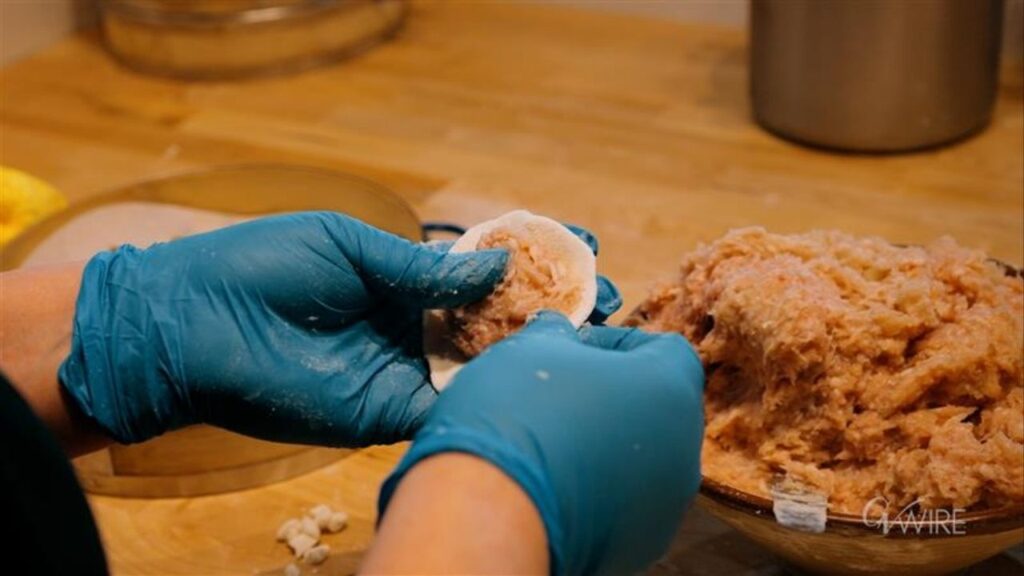
The composting process takes about 30 days, according to a fact sheet from Earth Funeral sent to GV Wire. The company says the process is a “completely safe, rigorously tested process that takes place inside specially engineered individualized vessels housed in state-of-the-art facilities in Washington or Nevada.”
The shrouded body gets put on a layer of organic material such as woodchips and wildflowers. A vessel with the contents reaches a minimum temperature of 131 degrees and microbes break everything down. The soil is tested and then given to families for a memorial garden. Or it can be donated to conservation organizations.
A quick quote given to GV Wire estimated $4,950 for a body.
In a previous interview, Weaver told GV Wire they chose Earth Funeral because the company contacted them about using the compost. Weaver said they received the compost at no charge and that it would help in the restoration process.
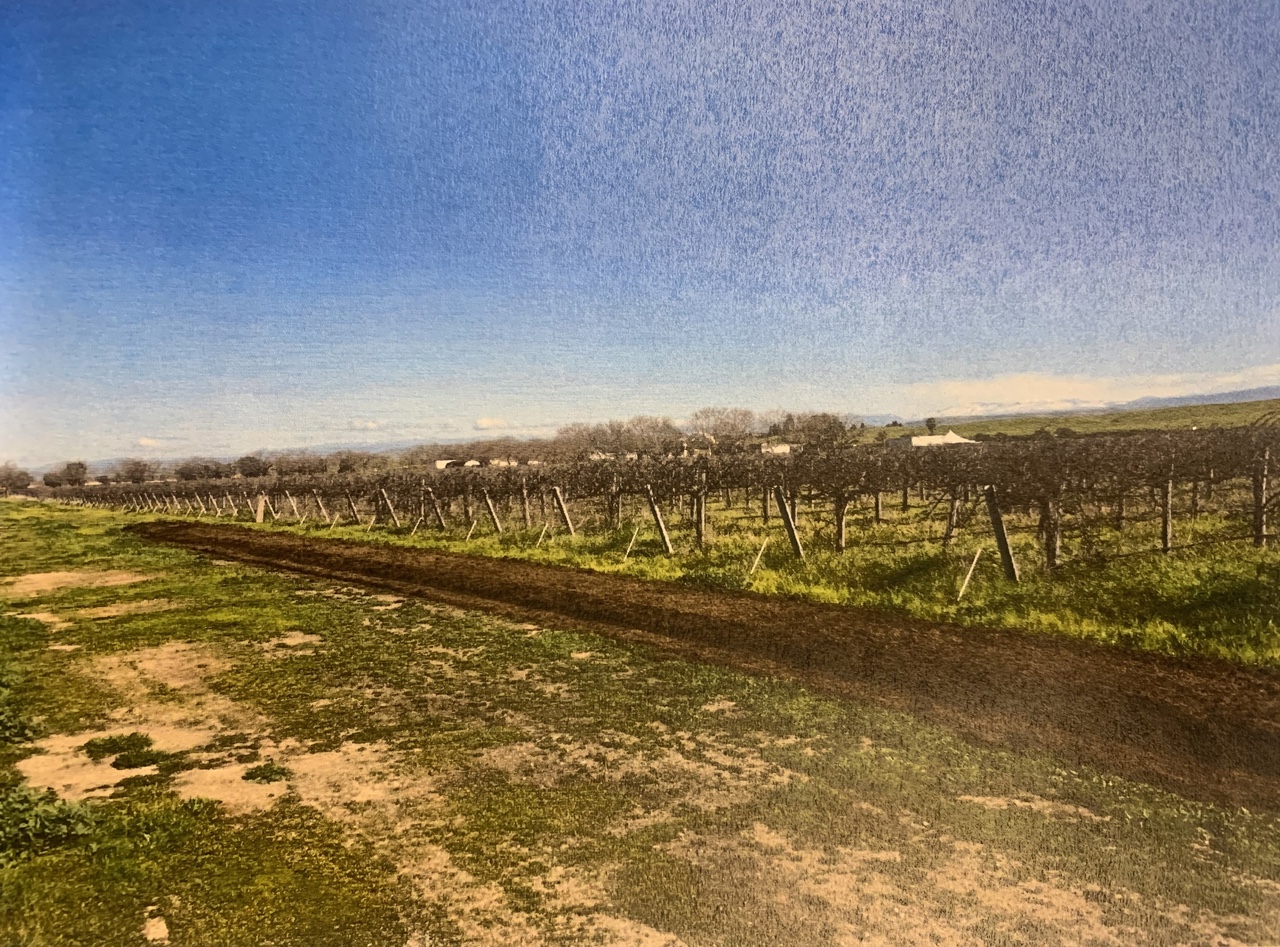
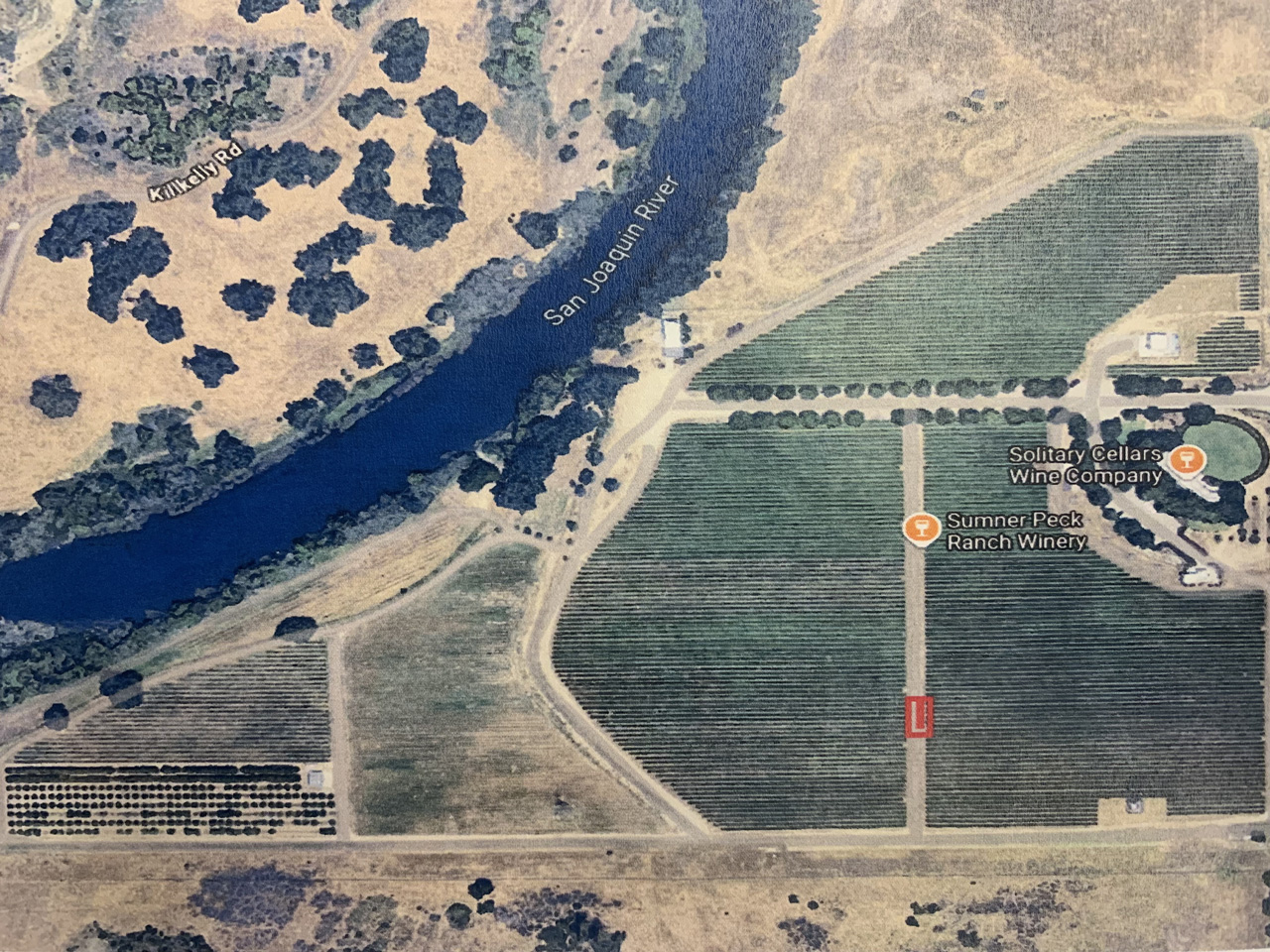
After a visit from the conservancy’s executive director Kari Daniska, the agency found out the compost was made of human remains. It had been piled up along a vineyard at Sumner Peck.
Weaver said the vineyard is set to be pulled up this season.
Wamhoff said Madera County supervisors will soon consider a ban on human-based compost.
Trust Doesn’t Need CEQA Approval to Apply Compost: Weaver
The issue brings another schism between the trust and the conservancy over the operation of Sumner Peck Ranch.
Auston-Tibbetts said that the trust did not receive environmental clearance before applying the compost and that a plan needs to be in place before the work is done.
Weaver said she has no knowledge of the state requiring clearances before applying compost.
She called it “laughable” that the state would require such a clearance.
“They’re trying to add things after the fact that we are not actually required to do,” Weaver said. “We want to work cooperatively with them and we are working cooperatively with them, but that doesn’t give them the ability to dictate everything we do on the property.”