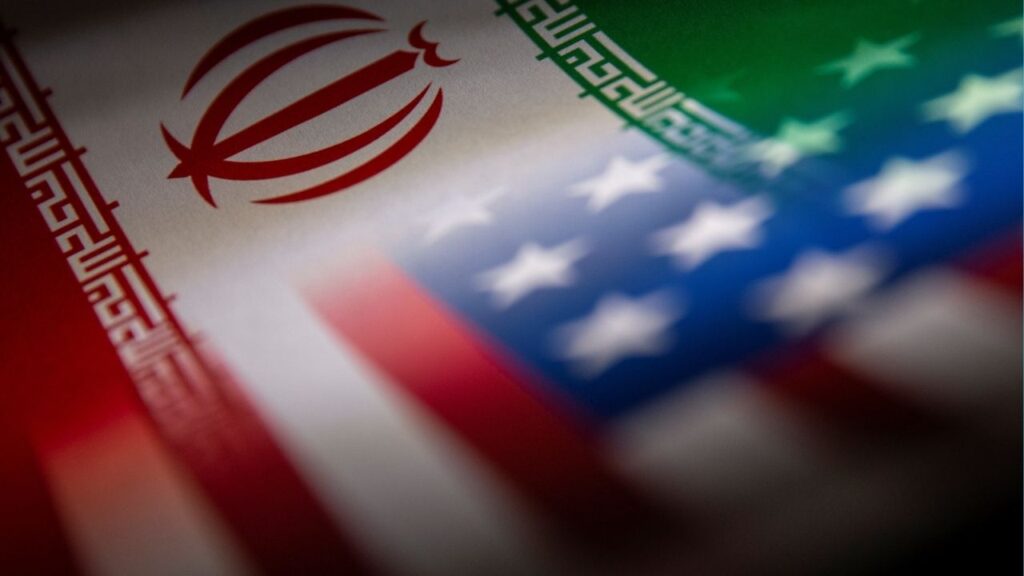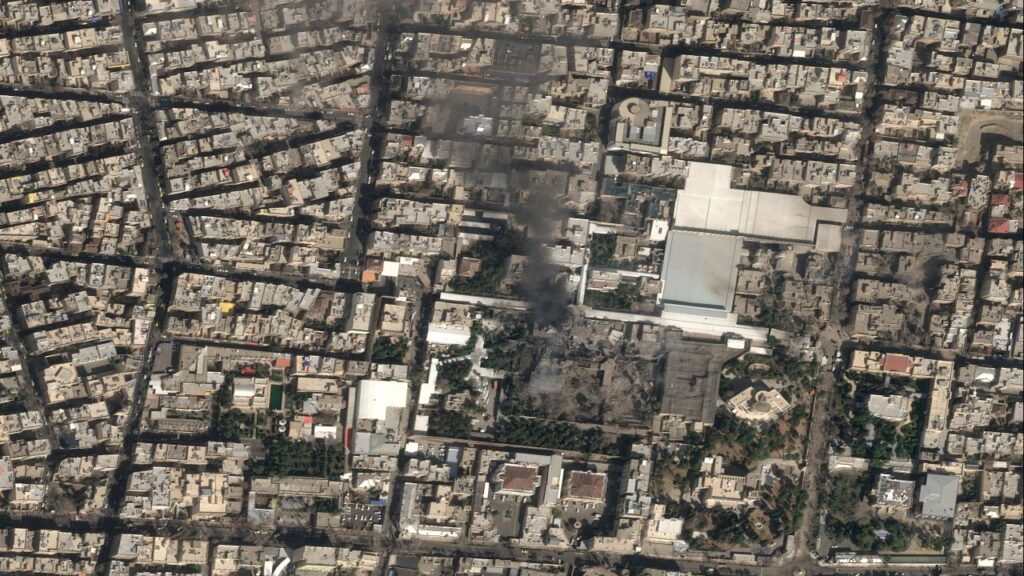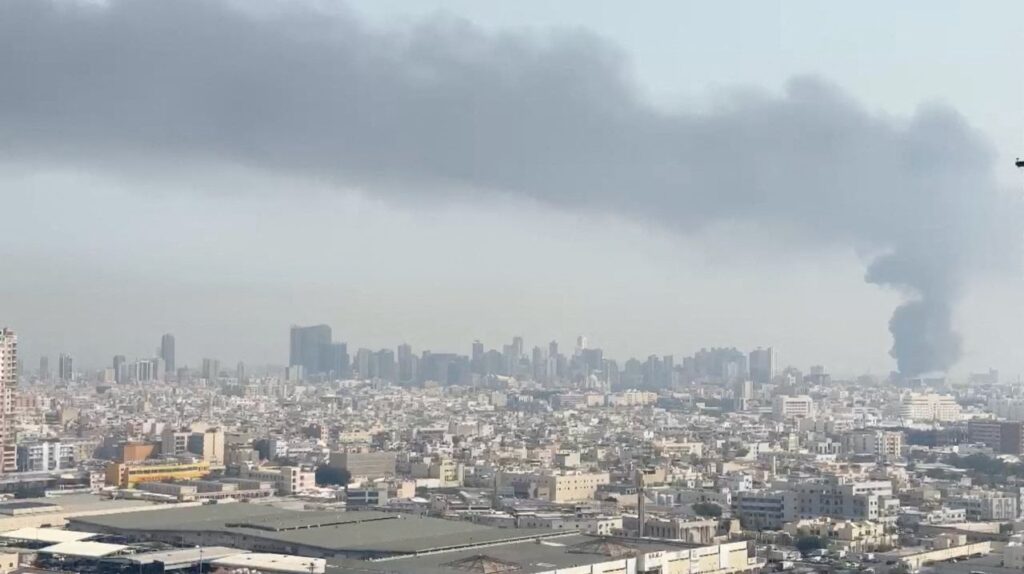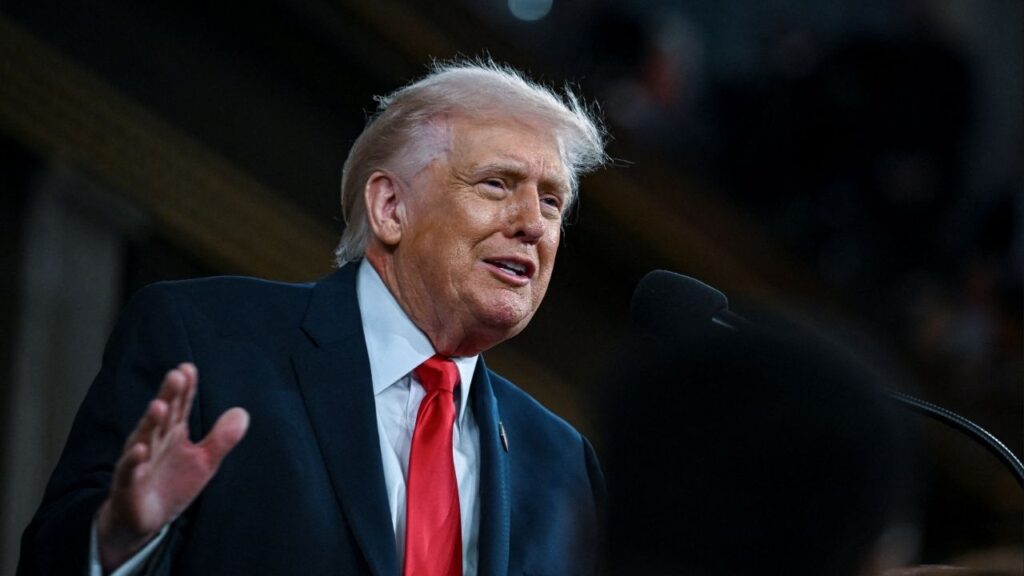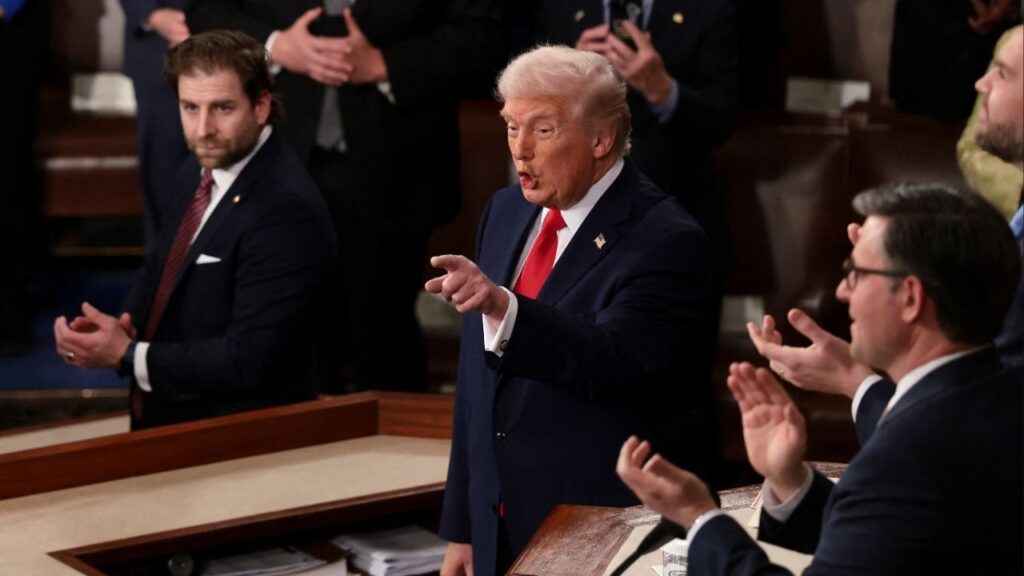


The United States and Israel attacked Iran on Saturday in a major assault that threatened a broader regional conflict, with President Donald Trump vowing to devastate the country’s military, eliminate its nuclear program and bring about a change in its government.
In retaliation, Iran fired waves of ballistic missiles at Israel. Israeli authorities reported only minor injuries. The United Arab Emirates, Qatar, Bahrain and Kuwait — all of which host U.S. military bases — said they had come under attack, as did Jordan. Falling debris from an Iranian ballistic missile attack killed at least one person in the UAE, according to its government.
The Iranian response was broader than during the 12-day war last June when Israel and the United States bombed Iran; in that conflict, Iran fired missiles only at Israel and a U.S. base in Qatar. Saudi Arabia’s Foreign Ministry said Saturday that there had been “blatant and cowardly Iranian attacks” on its capital, Riyadh, and in the country’s oil-rich eastern province, while Bahrain’s emergency services were responding to a blast at a residential tower in the capital, Manama.

The fighting effectively shut down shipping through the Strait of Hormuz, the conduit for one-fifth of the world’s oil supply, according to shipping companies and Iran’s semiofficial Tasnim news agency, which was sure to send oil prices upward.
Airstrikes Kill Top Iranian Military Leadership: Israel
Waves of large explosions shook the Iranian capital, Tehran, starting around 9 a.m. local time (1 a.m. in Washington) and continued into the evening. Witnesses described chaos in the streets as people rushed to seek shelter, find loved ones or flee the city.
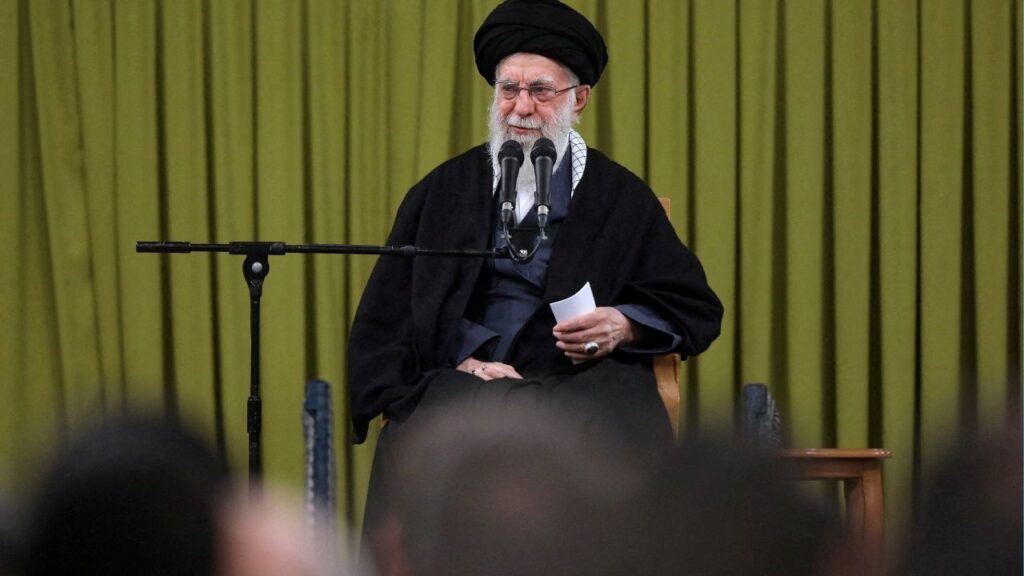
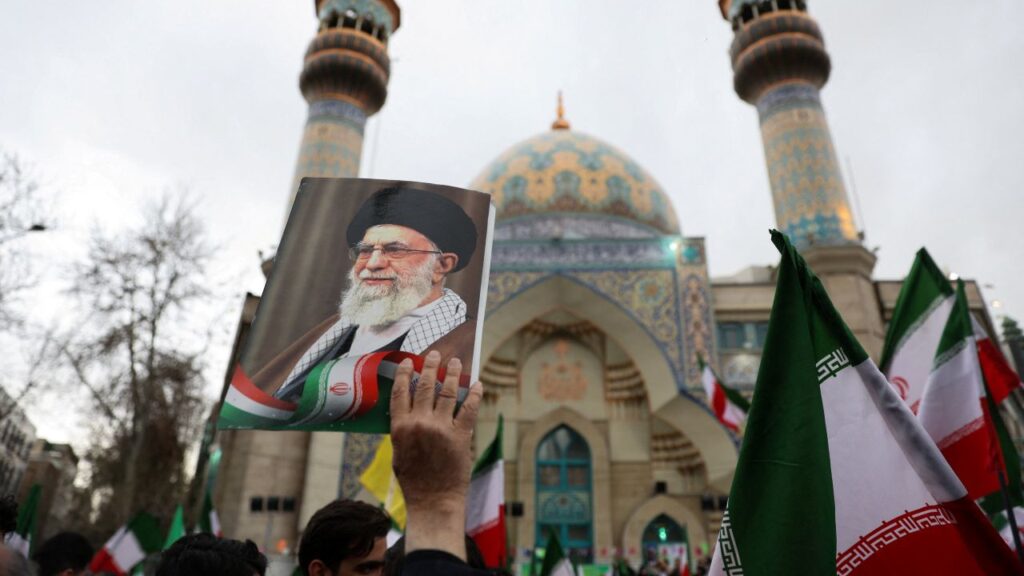
The Israeli military said Saturday afternoon that at least three top military officials had been killed in the strikes but did not address the fate of Iran’s supreme leader, Ayatollah Ali Khamenei.
Khamenei may have been killed, Prime Minister Benjamin Netanyahu of Israel said in a televised address, citing “many indications that this tyrant is gone.”
But Iranian officials dismissed such talk. A spokesperson for Iran’s Foreign Ministry, Esmail Baghaei, told ABC News that Khamenei and President Masoud Pezeshkian were “safe and sound.”
Brig. Gen. Effie Defrin, a spokesperson for the Israeli military, said the attacks had killed Gen. Mohammad Pakpour, the chief of the Revolutionary Guard, the most powerful force in Iran; the defense minister, Gen. Aziz Nasirzadeh; and Ali Shamkhani, the former head of the Iranian navy and a close adviser to Khamenei.
Trump had threatened an attack for weeks, saying earlier that he was considering limited strikes to compel Iran to accept U.S. terms for a deal restricting its nuclear program. Instead, he launched a much more ambitious, potentially more perilous venture.
Abbas Araghchi, the Iranian foreign minister, asked in a letter for the U.N. Security Council’s intervention, saying Israel and the United States had violated international law in attacking Iran.
“The United States and the Israeli regime shall bear full and direct responsibility for all ensuing consequences, including any escalation arising from their unlawful actions,” Araghchi said.
This article originally appeared in The New York Times.